




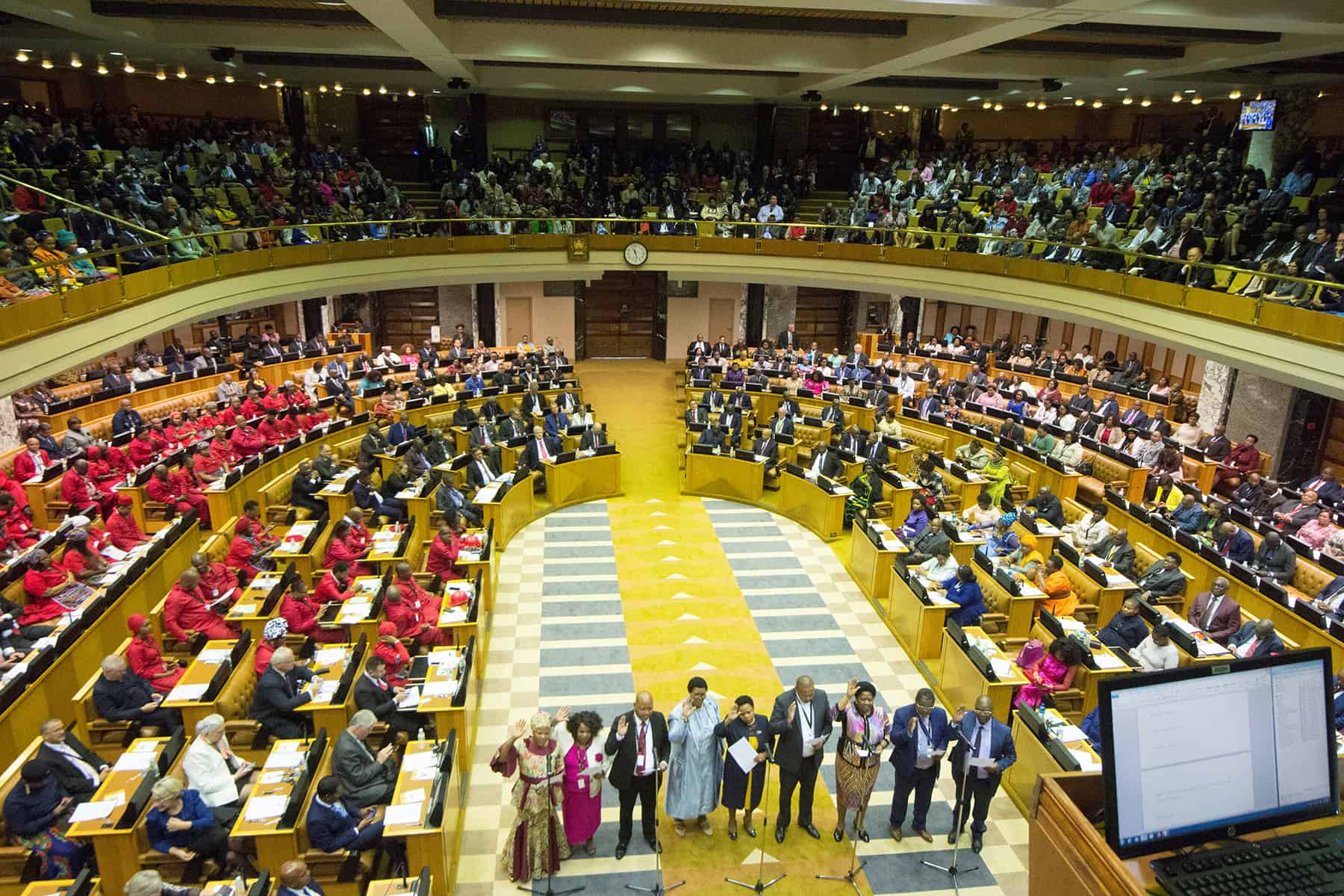
“South Africa has officially enacted the Constitution Eighteenth Amendment Act, granting the High Court broader jurisdiction over constitutional matters and reinforcing judicial oversight of Parliament and the executive. The reform is expected to accelerate case resolution, reduce backlogs, and enhance accountability within governance structures.”
On July 31, 2026, South Africa entered a new constitutional era with the enactment of the Constitution Eighteenth Amendment Act. This legislation represents one of the most consequential reforms since the democratic transition in 1994, reshaping the balance of power between the judiciary, Parliament, and the executive. The amendment arrives at a critical juncture as the Government of National Unity (GNU) faces mounting pressure to demonstrate stability and accountability ahead of the 2026 Local Government Elections.
Background and Context
South Africa’s constitutional framework has long emphasized the separation of powers. However, disputes over land reform, employment equity, and healthcare regulation have exposed the limits of parliamentary and executive authority. Increasingly, the judiciary has become the “third actor” in resolving these disputes, often through Constitutional Court interventions.
Previous amendments focused on fiscal discipline and administrative reforms, but this latest change directly addresses judicial independence and constitutional enforcement. By expanding the jurisdiction of the High Court, the amendment reduces reliance on the Constitutional Court for preliminary disputes, thereby streamlining adjudication.
Key Provisions of the Amendment
- Expanded High Court Jurisdiction: The High Court now has broader authority to adjudicate constitutional matters, ensuring disputes are resolved more efficiently.
- Strengthened Oversight Mechanisms: Parliament and executive actions are subject to stricter judicial review, reinforcing accountability.
- Erratum Notice: Corrections in the Gazette ensure clarity in the application of the amendment, minimizing ambiguity in interpretation.
These provisions collectively aim to enhance transparency, accountability, and efficiency within South Africa’s governance structures.
Political Implications
The GNU has struggled with ideological divisions, particularly on land reform, employment equity, and healthcare regulation. The amendment is seen as a stabilizing force, ensuring that disputes are resolved through judicial oversight rather than political deadlock.
Opposition parties have cautiously welcomed the reform, noting that judicial oversight could prevent abuses of power. However, some critics argue that expanding judicial authority risks politicizing the judiciary itself.
Economic and Social Impact
The amendment is expected to bolster investor confidence, as stronger judicial oversight reduces uncertainty in regulatory and policy implementation. By streamlining constitutional adjudication, businesses can expect faster resolution of disputes related to property rights, labor laws, and healthcare regulations.
Socially, the reform strengthens citizens’ ability to challenge government actions, reinforcing democratic participation and trust in institutions.
Challenges Ahead
Despite its promise, the amendment faces challenges:
- Judicial Capacity: Expanding jurisdiction requires additional resources, judges, and administrative support.
- Political Resistance: Some factions within the GNU may resist stricter oversight, fearing constraints on executive power.
- Public Awareness: Citizens must be educated about their expanded rights to ensure effective utilization of judicial mechanisms.
Conclusion
The Constitution Eighteenth Amendment Act marks a watershed moment in South Africa’s democratic journey. By strengthening judicial oversight and expanding the High Court’s jurisdiction, the country has taken a decisive step toward reinforcing accountability and transparency. As the 2026 Local Government Elections approach, this reform will serve as a litmus test for the GNU’s commitment to democratic principles and institutional stability.



