




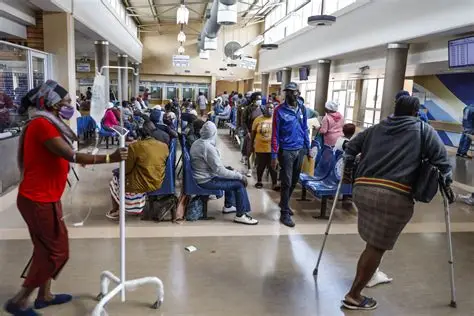
“The Health Ombud’s investigation into the deaths of healthcare workers in KwaZulu-Natal found no direct link to workplace bullying but revealed a deeper crisis of systemic staff shortages caused by a decade of austerity. Health Minister Aaron Motsoaledi and Parliament’s Health Committee Chair Faith Muthambi have called for urgent engagement with the National Treasury to unfreeze vacant posts and strengthen South Africa’s public health system.”
South Africa’s healthcare system is once again under the spotlight following the release of a pivotal Health Ombud report into the deaths of healthcare workers in KwaZulu-Natal. While the investigation dispelled allegations of workplace bullying as the direct cause of these tragedies, it exposed a far more pressing issue: systemic staff shortages fueled by a decade of austerity measures. This revelation has sparked urgent calls for reform, with Health Minister Dr. Aaron Motsoaledi and Portfolio Committee Chair Faith Muthambi emphasizing the need to address chronic underfunding and unfilled clinical posts.
Background of the Investigation
The Ombud’s inquiry was prompted by the tragic death of Dr. Alulutho Mazwi, a young intern at Prince Mshiyeni Memorial Hospital in Umlazi. His passing, alongside several other healthcare worker deaths, initially raised suspicions of workplace bullying and toxic environments. Public outrage led to the suspension of senior staff members and widespread debate about working conditions in South Africa’s hospitals. However, the Ombud’s findings clarified that the causes of death were medical and accidental—cardiac arrest, aneurysm, embolism, and a car accident—rather than linked to workplace victimization.
The Real Crisis: Staffing Shortages
Despite ruling out bullying, the report underscored a deeper crisis: South Africa’s public health sector is critically understaffed. Minister Motsoaledi revealed that although the country has significantly increased medical graduate numbers—thanks in part to training programs in Cuba—the government has been unable to employ them due to austerity measures imposed by the National Treasury. Thousands of doctors remain unemployed while hospitals struggle with overwhelming patient loads. This paradox highlights the disconnect between training capacity and employment opportunities in the health sector.
Austerity and Its Impact
Over the past decade, austerity policies have severely constrained the health budget, freezing thousands of clinical posts. Faith Muthambi stressed that this has left hospitals in KwaZulu-Natal and beyond unable to meet patient demand. The disparity between public and private healthcare further exacerbates the crisis: while only 14% of South Africans use private healthcare, the majority of resources remain concentrated there, leaving the public system underfunded and overstretched.
Political and Policy Response
Motsoaledi and Muthambi have urged immediate engagement with the National Treasury to unfreeze vacant posts and allocate resources more equitably. They argue that without decisive action, South Africa risks undermining its constitutional commitment to healthcare access. The crisis also raises broader policy questions about balancing fiscal discipline with social investment, particularly in essential services like health.
Public Reaction and Broader Implications
The Ombud’s findings have sparked mixed reactions. While some welcomed the clarification that bullying was not the direct cause of deaths, many expressed frustration that austerity continues to cripple the health system. Civil society groups and unions have called for urgent reforms, warning that continued underfunding will erode public trust and worsen health outcomes. The crisis also underscores the importance of cooperative governance among national, provincial, and local authorities in ensuring healthcare delivery.
Conclusion
The Health Ombud’s report has shifted the narrative from workplace bullying to systemic underfunding, exposing the fragility of South Africa’s public health system. With thousands of trained doctors unable to find employment and hospitals struggling to cope, the government faces mounting pressure to prioritize healthcare funding. The coming months will be critical in determining whether the National Treasury responds to calls for reform, and whether South Africa can restore confidence in its healthcare system.



