




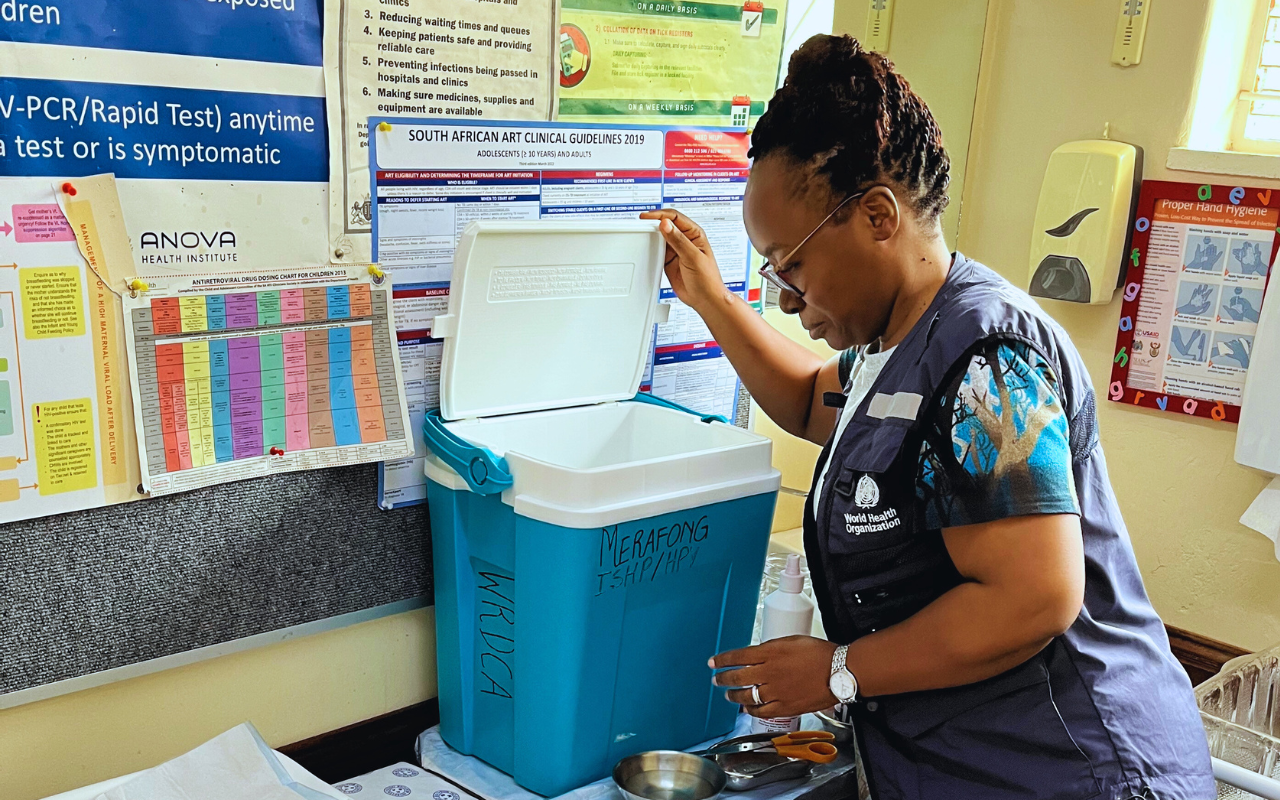
“South Africa is grappling with a growing measles outbreak, with thousands of confirmed cases across multiple provinces, primarily affecting children. The National Institute for Communicable Diseases (NICD) and the Department of Health are intensifying vaccination efforts to close immunity gaps and prevent further spread.”
South Africa is currently experiencing a significant public health challenge as measles cases continue to rise across the country. The National Institute for Communicable Diseases (NICD) has confirmed 2,476 laboratory cases between December 2025 and June 2026, with additional infections reported since late June. This surge has prompted urgent calls for expanded vaccination campaigns, particularly in provinces with low coverage.
Epidemiological Trends
- Most affected age group: Children aged 5–9 years, followed by those under five.
- Adult cases rising: Over 17% of infections occurred in people older than 15, highlighting immunity gaps in older populations.
- Provincial hotspots: Free State reported the highest number of new cases, followed by Western Cape and Gauteng.
Symptoms and Transmission
Measles is a highly contagious viral infection spread through airborne droplets when an infected person coughs or sneezes.
- Early symptoms: High fever, cough, runny nose, red eyes.
- Rash: Appears 7–18 days after exposure, spreading from the face to the rest of the body.
- Complications: Pneumonia, diarrhoea, and rare but fatal brain inflammation.
Public Health Response
The Department of Health has launched emergency vaccination drives targeting children and vulnerable groups.
- Goal: Achieve 95% vaccination coverage nationwide.
- Challenges: Outbreaks often occur in areas with low vaccination rates, where children are unvaccinated or under-vaccinated.
- Recent outbreaks: Reported in Free State (Fezile Dabi, Xhariep), KwaZulu-Natal (eThekwini, King Cetshwayo, uMkhanyakude), and Northern Cape (Pixley Ka Seme).
International Context
Globally, measles remains a major health threat despite being preventable. The World Health Organization (WHO) warns that declining vaccination rates worldwide have led to resurgences in several countries. South Africa’s outbreak reflects this global trend, underscoring the importance of sustained immunisation campaigns.
Risks and Implications
- Healthcare strain: Rising cases increase demand for hospital care, especially for children with complications.
- Economic impact: Outbreaks disrupt schooling and productivity, particularly in affected communities.
- Immunity gaps: Adults contracting measles suggest lapses in historical vaccination coverage.
Expert Opinions
Dr Aaron Motsoaledi, South Africa’s Health Minister, emphasised that vaccination remains the most effective tool against measles. The NICD echoed this, warning that without urgent action, outbreaks could spread further, particularly in urban centres with dense populations.
Conclusion
South Africa’s measles outbreak is a stark reminder of the importance of maintaining high vaccination coverage. With thousands of cases already confirmed and more emerging, the country faces a critical test of its public health infrastructure. The success of ongoing vaccination drives will determine whether South Africa can contain the outbreak and prevent future epidemics.



