




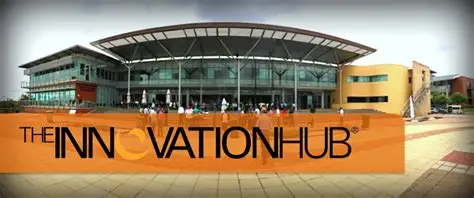
“The South African Innovation Ecosystem Policy Hub (SAIEPH) has been launched to consolidate fragmented innovation data, strengthen policy decisions, and foster collaboration across academia, government, and industry. The three-year pilot programme aims to position South Africa as a continental leader in innovation by focusing on ecosystem intelligence, funding flows, and ecosystem building.”
Innovation has long been recognized as the engine of economic growth and social transformation. In South Africa, however, fragmented data, isolated policy interventions, and limited R&D investment have slowed progress. The launch of the South African Innovation Ecosystem Policy Hub (SAIEPH) marks a turning point, offering a coordinated platform to unify stakeholders and strengthen the country’s innovation ecosystem.
Background and Rationale
South Africa invests only 0.66% of GDP in R&D, far below the global average of 2% and the 3–5% typical of leading innovation economies. This underinvestment has created gaps in research infrastructure, talent retention, and commercialization of ideas. Universities and research institutions remain strong, but their outputs often fail to connect with businesses and policymakers. SAIEPH was conceived to bridge these divides, ensuring that evidence-based insights inform national policy and funding decisions.
Structure of SAIEPH
The hub is built on three interconnected pillars:
- Ecosystem intelligence: Aggregating fragmented data to generate actionable insights for policymakers.
- Funding and financing: Mapping funding flows, identifying gaps, and surfacing investment opportunities.
- Ecosystem building: Creating policy bridges and coordination mechanisms to connect entrepreneurs, funders, and institutions.
Complementary workstreams will include skills development and public engagement, ensuring that innovation is not confined to elite institutions but reaches communities across the country.
Stakeholders and Partnerships
The initiative is a partnership between:
- Department of Science, Technology and Innovation (DSTI)
- Council for Scientific and Industrial Research (CSIR)
- Allan & Gill Gray Philanthropies
- Allan Gray Centre for Africa Entrepreneurship (AGCAE) at Stellenbosch University
This multi-stakeholder approach reflects a recognition that innovation thrives when academia, government, and private sector actors collaborate.
Expert Perspectives
- Michelle Harding (CSIR) emphasized that fragmented information has limited ecosystem synergies, and SAIEPH will provide a coordinated, data-informed view.
- Dr Clifford Nxomani (AGCAE) highlighted the importance of top-end research infrastructure for leapfrogging scientific progress.
- Prof Tulio de Oliveira (Stellenbosch University) stressed that African research institutions are critical for innovation, especially as global mobility restrictions limit opportunities for African students abroad.
Implications for South Africa
- Economic Growth: By consolidating fragmented data and aligning funding flows, SAIEPH can help South Africa close its R&D gap and stimulate commercialization of ideas.
- Talent Retention: Coordinated policy and infrastructure investment will reduce brain drain and create opportunities for young innovators.
- Continental Leadership: With SAIEPH, South Africa positions itself as a continental hub for innovation, capable of influencing regional policy and attracting global partnerships.
Challenges Ahead
Despite its promise, SAIEPH faces challenges:
- Funding Constraints: Raising R&D investment from 0.66% to global benchmarks will require significant political will and private sector buy-in.
- Coordination Complexity: Aligning diverse stakeholders across academia, government, and industry is inherently complex.
- Global Competition: South Africa must compete with countries investing heavily in innovation ecosystems, such as China, South Korea, and the U.S.
Conclusion
The launch of SAIEPH represents a bold step toward transforming South Africa’s innovation landscape. By consolidating fragmented data, strengthening policy decisions, and fostering collaboration, the hub aims to position South Africa as a continental leader in innovation. If successful, SAIEPH could become a model for other African nations seeking to harness innovation for economic growth and social transformation.



