




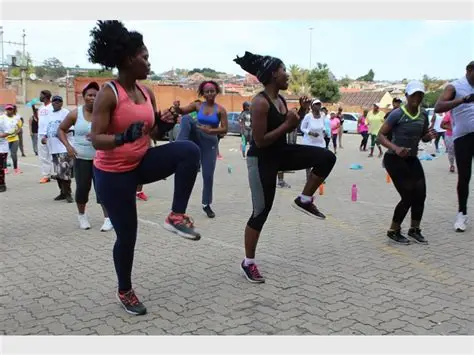
“South Africa has unveiled the SA‑GAPPA‑H initiative, led by Wits University, to address alarming inactivity rates and rising non‑communicable diseases. The program emphasizes that movement is medicine, embedding physical activity into healthcare systems, schools, and communities.”
South Africa is facing a silent epidemic: physical inactivity. With more than one in three citizens failing to meet minimum activity guidelines, the consequences are devastating. Rising rates of diabetes, cardiovascular disease, and obesity are straining the healthcare system. In response, Wits University has launched the South African Chapter of the Global Alliance for the Promotion of Physical Activity and Health (SA‑GAPPA‑H), a groundbreaking initiative designed to embed movement into everyday life.
The Alarming Statistics
- 35% of South Africans are inactive.
- 51% of deaths nationwide are linked to non‑communicable diseases (NCDs).
- Obesity rates are climbing, particularly among black women, where one‑third live with obesity.
- Globally, inactivity contributes to 5 million deaths per year.
These figures highlight the urgency of action. Inactivity is not just a lifestyle issue; it is a public health crisis.
Why Movement Matters
Experts describe physical activity as “medicine.” Just 130 minutes of moderate activity per week—whether walking, climbing stairs, or household chores—has proven benefits for both physical and mental health. Movement reduces risks of chronic illness, improves mood, and enhances productivity.
The Launch of SA‑GAPPA‑H
The alliance was spearheaded by Professor Demitri Constantinou, who convened an exploratory meeting in May 2026. The initiative follows the Hamburg Declaration of 2025, which emphasized the need for governments to prioritize physical activity as a public health intervention. International experts, including Professor Fabio Pigozzi, President of the International Federation of Sports Medicine, praised the launch as a “valuable example of leadership, collaboration, and commitment.”
Addressing the Triple Burden of Disease
South Africa’s health system faces a triple burden:
- Non‑communicable diseases (obesity, diabetes, heart disease).
- Infectious diseases (HIV, TB).
- Environmental/systemic challenges (poverty, inequality).
Physical inactivity worsens all three, making SA‑GAPPA‑H a critical intervention.
Community and Healthcare Integration
The alliance aims to:
- Embed physical activity into healthcare systems.
- Promote movement in schools and workplaces.
- Encourage community‑based fitness programs.
- Develop national targets for physical activity, which currently do not exist.
Expert Voices
Professor Georgia Torres, Head of Exercise Science at Wits, emphasized:
“To promote physical activity, we have to find out how to make people move.”
This reflects the initiative’s focus on practical, culturally relevant solutions rather than abstract policy.
Challenges Ahead
While the initiative is promising, challenges remain:
- Socioeconomic inequality limits access to fitness resources.
- Urban infrastructure often discourages walking or cycling.
- Cultural perceptions of fitness need to shift from elite gyms to everyday movement.
Conclusion
The launch of SA‑GAPPA‑H marks a historic moment for South African public health. By reframing fitness as medicine and embedding movement into daily life, the initiative has the potential to reduce disease burdens, strengthen communities, and improve national wellbeing. The challenge now lies in implementation—ensuring that the benefits reach not just the wealthy, but every South African.



