




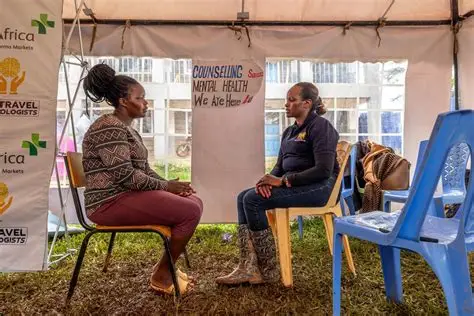
“South Africa’s Federation for Mental Health (SAFMH) has launched Psychosocial Disability Awareness Month to address systemic neglect in mental health care, focusing on youth empowerment, localized support, and human rights advocacy. With suicide rates climbing and 90% of individuals untreated, the campaign calls for urgent government accountability and expanded funding.”
South Africa is facing what experts describe as a silent epidemic: untreated mental health conditions affecting millions across both urban and rural communities. On July 1, 2026, the South African Federation for Mental Health (SAFMH) officially launched Psychosocial Disability Awareness Month (PDAM), a nationwide campaign designed to spotlight the urgent need for reform in mental health care. This initiative arrives at a time when the country faces chronic underfunding, workforce shortages, and persistent stigma, all contributing to one of the highest suicide rates in Africa.
The State of Mental Health in South Africa
- Treatment Gap: 90% of individuals with mental health conditions do not receive care.
- Workforce Shortages: Fewer than 1 psychiatrist per 100,000 people.
- Urban-Rural Divide: Access to care is heavily skewed toward urban centers.
- Stigma: Cultural stigma discourages many from seeking help.
These systemic failures have created a dangerous environment where untreated mental illness is widespread, leading to devastating consequences for individuals, families, and communities.
Youth Empowerment at the Core
The campaign places young people at the center of reform. Rising rates of depression, anxiety, and suicide among youth are linked to unemployment, poverty, and limited access to counseling services in schools and universities. SAFMH is encouraging youth leaders to become advocates in their communities, building peer support networks and promoting mental health education.
Leon de Beer, SAFMH Deputy Director, emphasized: “Young people are the future leaders. If they are not mentally healthy, the nation cannot thrive.”
Community-Based Care
SAFMH is shifting focus from institutional treatment to localized, accessible support systems. Proposed solutions include:
- Mobile Clinics to reach rural areas.
- Integration into Primary Care to reduce stigma.
- Peer Support Networks in schools and universities.
This mirrors global best practices, emphasizing prevention and early intervention rather than crisis-driven hospitalization.
Human Rights Advocacy
Mental health is being positioned as a fundamental human right. SAFMH and allied organizations argue that ignoring untreated mental illness is no longer acceptable, calling for accountability from government leaders. The campaign stresses that mental health care should be treated with the same urgency as physical health care.
Government Accountability and Funding
The campaign demands expanded funding for mental health services, improved training for professionals, and stronger integration of mental health into national health strategies. SAFMH has urged Parliament to prioritize mental health in upcoming budget allocations, warning that failure to act will deepen the crisis.
Global Context
South Africa’s mental health crisis reflects a broader global challenge. The World Health Organization (WHO) has repeatedly emphasized that untreated mental illness is among the leading causes of disability worldwide. South Africa’s initiative aligns with international calls for community-based, rights-driven approaches.
Conclusion
The launch of Psychosocial Disability Awareness Month marks a pivotal moment in South Africa’s fight against mental health neglect. By centering youth empowerment, community-based care, and human rights advocacy, SAFMH is pushing for systemic reform. The campaign’s success will depend on whether government leaders respond with the urgency and resources the crisis demands.



