




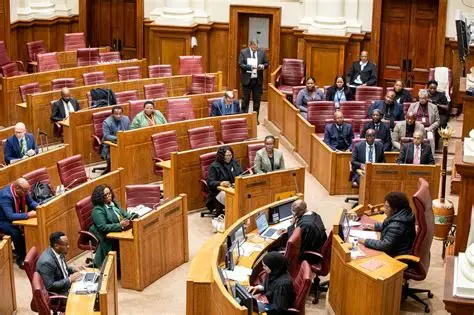
“South Africa is preparing draft legislation to establish the judiciary as a fully independent arm of the state, consolidating magistrates and regional courts under the Office of the Chief Justice. The move, announced by Chief Justice Mandisa Maya and Justice Minister Mmamoloko Kubayi, is intended to strengthen judicial independence and improve access to justice.”
South Africa’s judiciary is on the cusp of a transformative change. At the 2026 Judiciary Conference in Durban, Chief Justice Mandisa Maya and Justice Minister Mmamoloko Kubayi unveiled plans for draft legislation that will establish the judiciary as a fully independent arm of the state, comparable to Parliament and the Executive. This announcement signals a decisive step toward reinforcing the separation of powers and ensuring judicial independence in a country where governance reforms remain a pressing issue.
Background
Historically, South Africa’s judiciary has operated with partial administrative reliance on the Justice Department. While constitutionally independent, practical functions such as budgeting, staffing, and court management were shared with the executive branch. This arrangement often raised concerns about undue influence and inefficiencies in court administration. The proposed legislation seeks to transfer all shared functions to the Office of the Chief Justice (OCJ), thereby centralizing authority and eliminating executive overlap.
Key Provisions of the Draft Legislation
- Unified Judiciary Structure: Magistrates and regional courts will be brought under the OCJ, creating a single judicial hierarchy.
- Budgetary Autonomy: The judiciary will manage its own budget, similar to Parliament.
- Administrative Control: Court administration will be led by judicial officers rather than executive officials.
- Access to Justice: The reforms emphasize expanding access to justice, particularly for marginalized communities.
Statements from Leaders
Chief Justice Mandisa Maya emphasized that judicial independence is not merely symbolic but essential for democracy. “Like Parliament, the judiciary must determine its own rules, budget, and administration. This ensures that justice is delivered without interference,” she stated. Justice Minister Kubayi echoed this sentiment, noting that the roadmap toward judiciary-led court administration is a cornerstone of constitutional development.
Gender and Ethics Reforms
In addition to structural reforms, Chief Justice Maya announced the establishment of a gender desk within the Constitutional Court to address sexual harassment complaints. This follows a tribunal case involving Eastern Cape Judge President Selby Mbenenge. The interim desk will evolve into a permanent gender unit, signaling a broader commitment to judicial ethics and institutional integrity.
Implications for Governance
The legislation represents a paradigm shift in South African governance:
- Strengthened Separation of Powers: By removing executive oversight, the judiciary gains full independence.
- Enhanced Public Trust: Citizens may view the judiciary as more impartial and credible.
- Improved Efficiency: Centralized administration could streamline court processes and reduce delays.
- Regional Impact: South Africa’s reforms may serve as a model for other African nations grappling with judicial independence.
Challenges Ahead
Despite optimism, challenges remain:
- Legislative Passage: The bill must be debated and passed by Parliament, where political contestation is likely.
- Resource Allocation: Ensuring adequate funding for the judiciary will be critical.
- Implementation Timeline: The draft legislation is expected to reach Parliament in January 2027, meaning reforms will take time to materialize.
Conclusion
The announcement at the Durban conference marks a historic milestone in South Africa’s democratic journey. By consolidating judicial authority under the Office of the Chief Justice, the country is taking bold steps to safeguard judicial independence, strengthen governance, and enhance access to justice. While challenges remain, the reforms promise to reshape the legal landscape and reinforce the principles of constitutional democracy.



