




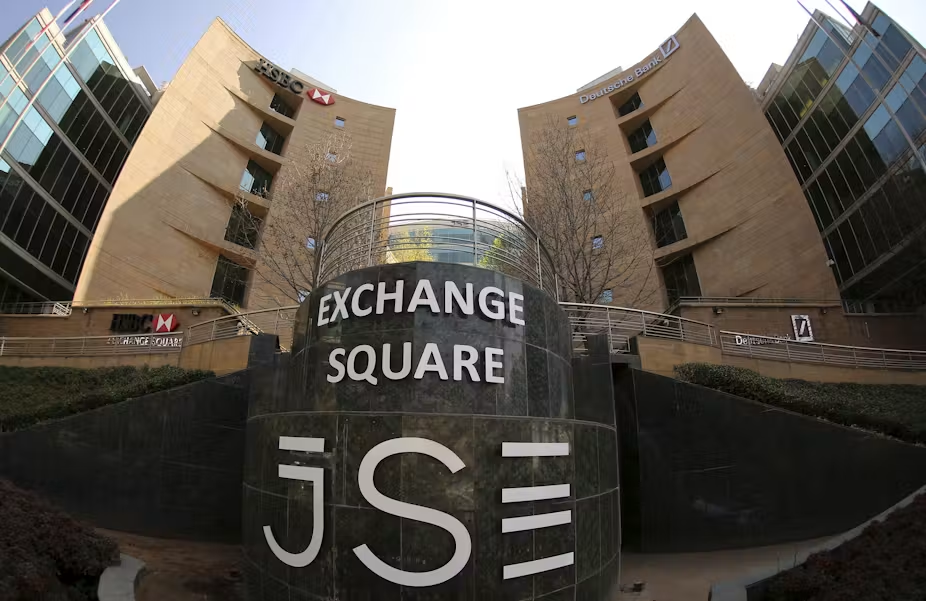
“South Africa’s FTSE/JSE All Share Index (SAALL) rose 0.31% to 109,441 points on 29 September 2026, offering a brief respite after a 5.86% monthly decline. The South African Reserve Bank’s latest Monetary Policy Committee statement warns of inflation risks from global oil disruptions, projecting headline inflation above 5% into early 2027.”
South Africa’s financial markets entered the final quarter of 2026 under immense pressure from global supply shocks, rising fuel costs, and domestic economic contraction. Yet, the Johannesburg Stock Exchange’s FTSE/JSE All Share Index (SAALL) managed a modest rebound on 29 September, climbing 0.31% to 109,441 points. This movement, though small, signals resilience in a market battered by external and internal headwinds.
Global Context
The global economy is facing a triple shock:
- Middle East conflict disrupting oil flows through the Strait of Hormuz.
- Saudi Arabia’s oil exports interrupted by fighting in Yemen.
- Russia-Ukraine war damaging refinery capacity and food exports.
These disruptions have created a persistent supply shock, driving up global fuel prices and feeding inflationary pressures worldwide.
Domestic Market Performance
- SAALL Index: 109,441 points (+0.31% daily, -5.86% monthly, +1.39% yearly).
- Top movers: Richemont (+2.51%), AngloGold Ashanti (+1.42%), Gold Fields (+4.30%).
- Decliners: Naspers (-0.50%), Capitec (-0.58%), MTN (-1.81%).
This mixed performance reflects investor caution. Mining stocks benefited from safe-haven demand for gold, while tech and telecom counters struggled under weak consumer sentiment.
Monetary Policy Committee Statement
The South African Reserve Bank (SARB) held its repo rate at 7.25%, citing:
- Inflation risks from fuel price increases (average under-recovery of R2.83 per litre).
- Headline inflation expected to exceed 5% in late 2026 and early 2027.
- Food inflation at its lowest since 2010, offering some relief.
Governor Lesetja Kganyago emphasized that while the rand has shown resilience, growth risks remain skewed to the downside.
Economic Growth Outlook
- Q2 2026 GDP contraction: -0.2%.
- Annual growth forecast: 1.2% for 2026.
- Medium-term growth: ~2%, contingent on global stabilization and domestic reforms.
This outlook underscores the fragility of South Africa’s economy, heavily exposed to external shocks and reliant on structural reforms.
Investor Sentiment
Investors are balancing:
- Positive signals: resilience of the rand, strong banking sector earnings, gold price support.
- Negative signals: weak consumer demand, high unemployment (33.6%), and inflationary pressures.
Policy Implications
The SARB faces a dilemma:
- Raising rates further could tame inflation but risk deeper recession.
- Holding rates may support growth but allow inflation to overshoot targets.
This balancing act will define monetary policy in the coming months.
Conclusion
South Africa’s markets are navigating a precarious environment. The modest rebound in the SAALL index offers hope, but risks remain elevated. Policymakers, investors, and businesses must prepare for continued volatility driven by global oil shocks and domestic structural challenges.



