




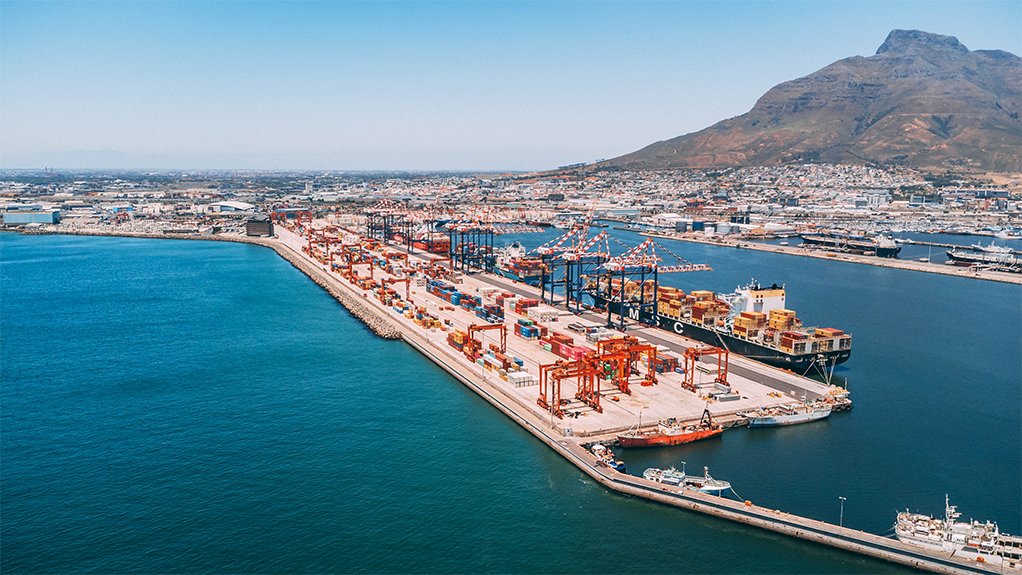
“South Africa’s Cabinet has approved the separation of the Transnet National Ports Authority (TNPA) from Transnet, allowing it to operate as a standalone entity with potential minority equity participation from development finance institutions. This reform is seen as a critical step toward modernizing the country’s logistics infrastructure, improving port efficiency, and aligning with international best practices.”
South Africa’s logistics sector has long been plagued by inefficiencies, bottlenecks, and governance challenges. On 30 September 2026, Cabinet announced a landmark decision: the Transnet National Ports Authority (TNPA) will become an independent entity, separate from Transnet Port Terminals. This reform marks a pivotal moment in the country’s economic policy, with far-reaching implications for trade, investment, and industrial growth.
Background: Why Ports Matter
Ports are the lifeblood of South Africa’s economy. With over 90% of trade volumes moving through maritime routes, the efficiency of ports directly impacts GDP growth, employment, and competitiveness. For years, businesses have complained about delays, high costs, and poor service at major ports such as Durban, Cape Town, and Richards Bay. These inefficiencies have contributed to South Africa’s declining position in global logistics rankings.
The Reform Decision
The Cabinet’s approval grants TNPA full independence from Transnet, enabling it to:
- Regulate ports autonomously without conflict of interest.
- Attract private and institutional investment, including minority equity participation from development finance institutions.
- Implement international best practices in port governance and operations.
This separation addresses a longstanding criticism: that Transnet’s dual role as both regulator and operator created inefficiencies and discouraged competition.
Economic Context
The reform comes at a time when South Africa faces multiple economic challenges:
- Unemployment rate at 33.6%, with 95,000 jobs lost year-on-year in Q2 2026.
- Fuel prices surging, with diesel projected to hit R33.15 per litre in October 2026.
- GDP contraction of 0.2% in Q2 2026, though a rebound is expected later in the year.
Against this backdrop, the TNPA reform is seen as a growth-oriented policy intervention aimed at stabilizing trade flows and reducing costs for businesses.
Stakeholder Reactions
- Business community: Welcomed the move, citing potential for reduced shipping delays and improved competitiveness.
- Labour unions: Expressed cautious optimism, but warned against privatization that could threaten jobs.
- Development finance institutions: Indicated interest in minority equity stakes, which could bring much-needed capital for infrastructure upgrades.
International Comparisons
Globally, independent port authorities are standard practice. Examples include:
- Port of Rotterdam Authority (Netherlands) – operates independently, attracting billions in investment.
- Singapore Maritime and Port Authority – a model of efficiency and innovation.
South Africa’s adoption of this model signals alignment with international norms and could restore investor confidence.
Risks and Challenges
While promising, the reform faces hurdles:
- Implementation delays due to bureaucratic resistance.
- Potential conflicts between TNPA and Transnet Port Terminals during the transition.
- Labour unrest if workers perceive threats to job security.
- Global supply chain shocks, such as rising oil prices and geopolitical conflicts, which may offset gains.
Long-Term Outlook
If successfully implemented, TNPA independence could:
- Boost GDP growth by up to 1% annually through improved trade efficiency.
- Lower shipping costs for exporters and importers.
- Enhance South Africa’s competitiveness in global markets.
- Create new jobs in logistics, shipping, and related industries.
Conclusion
The independence of the Transnet National Ports Authority represents one of the most significant business policy reforms in South Africa in recent years. By addressing structural inefficiencies in port governance, the government has taken a bold step toward revitalizing the logistics sector. While challenges remain, the reform offers a pathway to improved competitiveness, economic resilience, and sustainable growth.



