




“The South African rand rebounded slightly after plunging more than 2% against the dollar when the Reserve Bank unexpectedly kept interest rates unchanged at 7%. Markets remain volatile, with analysts warning that policy credibility and structural reforms are crucial to containing further currency swings.”
South Africa’s financial markets were jolted this week when the South African Reserve Bank (SARB) announced it would hold the repo rate steady at 7%, defying widespread expectations of a hike. The decision sent shockwaves through currency and bond markets, with the rand initially plunging before clawing back some losses. Investors and analysts are now grappling with the implications of the central bank’s stance amid rising global oil prices, inflationary pressures, and fragile domestic growth.
Immediate Market Reaction
- Rand volatility: The rand fell sharply, losing over 2% against the US dollar immediately after the announcement, before recovering to trade at 16.78/$.
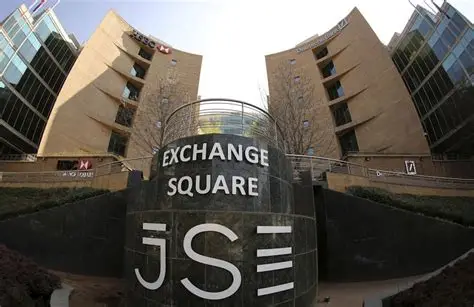
- Equities: The Johannesburg Stock Exchange’s Top-40 index gained 0.3% in early trade, reflecting cautious optimism.
- Bonds: South Africa’s benchmark 2035 government bond yield rose by 4 basis points to 8.88%, signaling investor unease.
Why the Decision Surprised Markets
Analysts had expected SARB to raise rates in response to inflation risks, particularly as Brent crude oil surged above $100 per barrel. Higher fuel costs have been a persistent driver of inflation, and many believed a rate hike was necessary to anchor expectations. Instead, SARB opted for stability, citing concerns about growth and household strain.
Broader Economic Context
- Growth outlook: South Africa’s economy grew close to 2% year-on-year in Q1 2026, driven mainly by net exports. However, consumer and business confidence have weakened, and municipal dysfunction continues to constrain growth.
- Inflation pressures: Headline inflation remains above 4%, largely due to fuel costs. While goods prices are contained, global oil volatility poses risks.
- Global backdrop: Other major central banks, including the ECB and Bank of Japan, raised rates in June, while the US Federal Reserve held steady but signaled hawkish intent.
Investor Perspectives
- Commerzbank criticized SARB’s decision, noting that holding rates “felt out of place” given surging oil prices.
- ETM Analytics emphasized that policy credibility and structural reforms must reinforce each other to contain rand volatility.
Risks Ahead
- Currency risk: The rand remains vulnerable to external shocks, particularly oil price spikes and global monetary tightening.
- Growth risk: Domestic demand is weak, and uncertainty continues to weigh on investment.
- Structural challenges: Port inefficiencies, skills shortages, and municipal dysfunction are binding constraints on long-term growth.
Opportunities
- Mineral sales: Rising mineral export values have boosted tax revenues, helping fiscal stability and supporting sovereign bond upgrades.
- AI boom: Global investment in AI-related industries has offset some of the drag from geopolitical tensions, offering potential spillover benefits for South Africa.
Conclusion
The SARB’s decision to hold rates at 7% has reignited debate about the balance between inflation control and growth support. While the rand’s partial recovery suggests markets are adjusting, volatility remains high. The path forward will depend on global oil dynamics, domestic reforms, and the central bank’s ability to maintain credibility in the face of competing pressures.



