




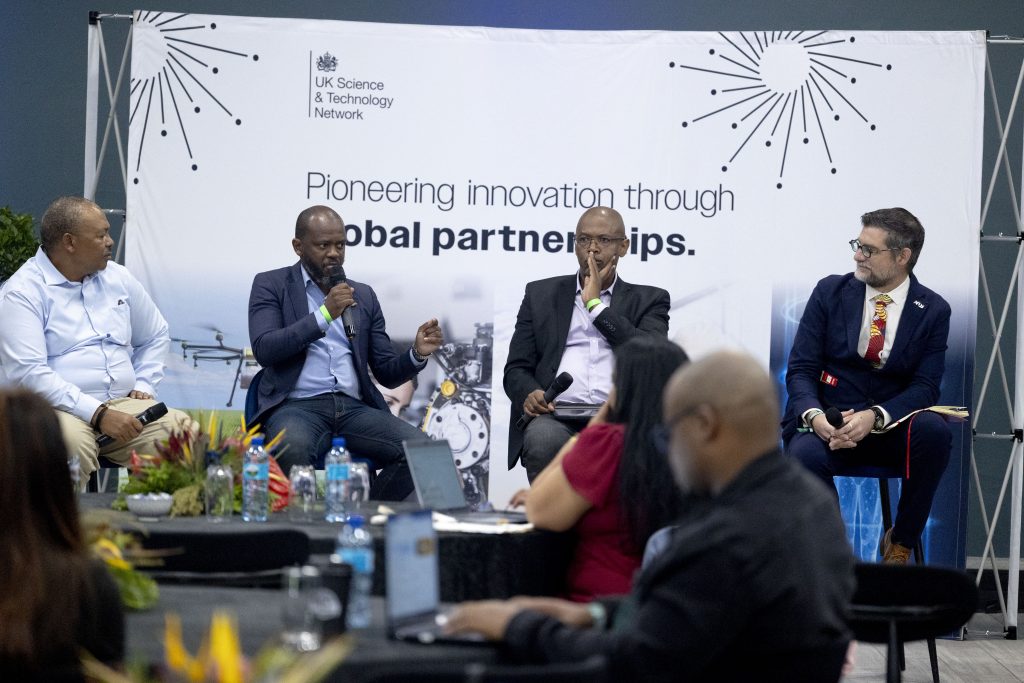
“President Cyril Ramaphosa announced that cloud computing and artificial intelligence will serve as the backbone of South Africa’s 21st-century economy, likening them to railways and electricity in past industrial revolutions. His speech at the Google Cloud Summit emphasized South Africa’s ambition to become a hub for AI innovation, shifting the narrative from technological deficits to global leadership.”
On July 9, 2026, South Africa witnessed a defining moment in its innovation journey when President Cyril Ramaphosa delivered a keynote address at the Google Cloud Summit in Johannesburg. His declaration that cloud computing and artificial intelligence (AI) are the new economic infrastructure signals a profound transformation in how the country envisions its future. This announcement not only reshapes South Africa’s domestic innovation agenda but also positions the nation as a proactive player in global technology governance.
Shifting the Narrative
For decades, Africa’s technology discourse was dominated by challenges: limited infrastructure, unreliable electricity, and slow internet penetration. Ramaphosa’s speech deliberately shifted this narrative from scarcity to capability. He emphasized that South Africa is no longer waiting for innovation to arrive from overseas but is determined to become a hub where innovation is imagined, tested, and exported. This rhetorical pivot reframes South Africa as a global agent of innovation, rather than a passive recipient.
AI as Economic Infrastructure
Ramaphosa’s analogy was striking:
- Railways powered the Industrial Revolution
- Electricity powered the 20th century
- Cloud computing and AI will power the 21st century
By calling AI “economic architecture,” he underscored that without cloud infrastructure, large-scale AI deployment is nearly impossible. This perspective aligns with global trends where nations treat AI as strategic infrastructure akin to energy grids or transportation networks.
Why Google Chose South Africa
Google’s decision to host its first African Cloud Summit in Johannesburg was not accidental. The city’s growing reputation as a digital hub, coupled with government support for AI initiatives, made it a natural choice. Economically, this reflects investor confidence in South Africa’s readiness to integrate AI into mainstream industries. Politically, it signals the country’s ambition to lead Africa’s digital transformation.
Political and Economic Implications
Ramaphosa’s speech was not just about technology—it was about governance. By framing AI as infrastructure, he implicitly committed the government to policies that support:
- Digital inclusion
- Cloud adoption
- AI regulation and governance
This commitment has far-reaching implications for economic competitiveness, job creation, and industrial transformation. It also places South Africa at the center of debates on global AI ethics, cybersecurity, and digital trust.
Innovation Ecosystem and Investment
The declaration comes at a time when South Africa is actively strengthening its National System of Innovation (NSI). Recent initiatives, such as the Science, Technology and Innovation Decadal Plan (2022–2032), emphasize collaboration between government, business, academia, and civil society. Ramaphosa’s speech adds momentum to these efforts, encouraging private-sector investment in research and development and fostering public-private partnerships.



