




“South Africa’s August 2026 travel season is marked by the simultaneous spectacle of the Namaqualand wildflower bloom, southern right whale migration in Hermanus, and exceptional safari conditions in Kruger National Park. This rare convergence is boosting international tourism arrivals and offering visitors unparalleled opportunities for exploration and photography.”
August 2026 has emerged as a landmark month for South African tourism. The country is experiencing a rare alignment of three extraordinary natural events: the Namaqualand wildflower bloom, the southern right whale migration in Hermanus, and prime safari conditions in Kruger National Park. Together, these attractions are captivating travelers worldwide and fueling a measurable boost in tourism arrivals, with the Department of Tourism reporting a 12.3% increase in international visitors in the first half of 2026.
Namaqualand Wildflower Bloom
- Location: Northern Cape, South Africa
- Season: August–September
- Highlights: Vast carpets of daisies, lilies, and succulents transform arid landscapes into colorful fields.
- Adventure Appeal: Hiking trails and self-drive routes allow travelers to immerse themselves in one of the world’s most spectacular floral displays.
This year’s bloom has been particularly vibrant due to favorable winter rains. Tour operators are reporting increased bookings for guided wildflower tours, with photographers and eco-tourists flocking to capture the ephemeral beauty. The bloom is highly weather-dependent, making August’s early blossoms especially exciting.
Whale Watching in Hermanus
- Species: Southern right whales
- Peak Season: August–October
- Adventure Appeal: Shore-based whale watching, boat tours, and kayaking excursions.
Hermanus, located in the Western Cape, is recognized globally as one of the best land-based whale-watching destinations. In August, the whales migrate closer to shore, offering dramatic breaches and tail slaps visible even from coastal cliffs. Adventure travelers are combining whale watching with shark cage diving in nearby Gansbaai, creating a marine adventure hub.
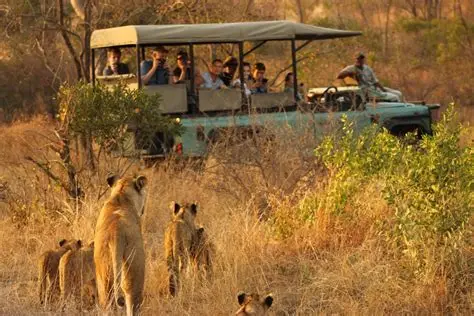
Safari in Kruger National Park
- Conditions: Dry season, concentrated wildlife at waterholes.
- Adventure Appeal: Exceptional predator sightings, impala lambing, and long golden hours for photography.
Kruger remains South Africa’s flagship safari destination, and August offers some of the best game-viewing conditions of the year. Lions, leopards, and cheetahs are frequently spotted, while elephants and buffalo gather in large herds. The dry conditions also reduce malaria risk, making it a favorable time for international visitors.
Tourism Impact
The convergence of these seasonal attractions has significantly boosted tourism. African arrivals increased by 14.3%, while overseas arrivals grew by 5.6%, indicating that regional markets are leading the recovery.
Economic and Cultural Significance
Tourism continues to support thousands of jobs across accommodation, transport, hospitality, retail, and visitor attractions. The surge in arrivals underscores South Africa’s resilience as a travel destination, even amid global uncertainties.
Conclusion
South Africa’s August 2026 travel season is a testament to the country’s diverse natural beauty and its ability to offer world-class experiences. The simultaneous occurrence of the Namaqualand wildflower bloom, southern right whale migration, and prime safari conditions in Kruger National Park has created a once-in-a-lifetime opportunity for travelers. For those seeking adventure, photography, and unforgettable memories, South Africa in August 2026 is the place to be.



