




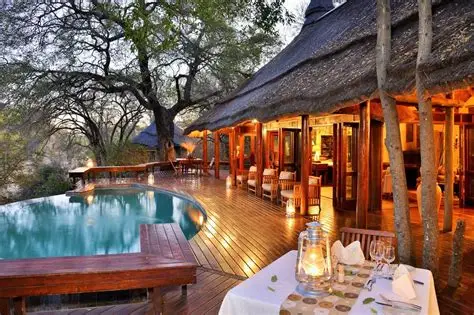
“South Africa is witnessing an unprecedented surge in luxury tourism this August, as three rare natural events—the Namaqualand wildflower bloom, whale migration in Hermanus, and peak safari season in Kruger National Park—align to attract international travelers. Luxury lodges and eco-resorts are reporting full bookings, reshaping the country’s hospitality industry and reinforcing its global appeal.”
August 2026 has emerged as a landmark month for South Africa’s luxury travel industry. A rare convergence of three extraordinary natural phenomena—the Namaqualand wildflower bloom, the southern right whale migration in Hermanus, and peak safari season in Kruger National Park—has created a tourism boom unlike any seen before. This alignment has not only filled hotels and lodges to capacity but also redefined South Africa’s global reputation as a premier luxury destination.
Namaqualand Wildflower Bloom
- Location: Northern Cape
- Season: August–September
- Highlights: Vast carpets of daisies, lilies, and succulents transform arid landscapes into kaleidoscopic fields.
- Luxury Impact: Eco-lodges and boutique guesthouses are reporting near-full occupancy. Affluent travelers, photographers, and eco-tourists are flocking to capture the ephemeral beauty. Tour operators have expanded offerings to include self-drive routes, eco-lodges, and photography workshops, positioning Namaqualand as a hub for sustainable luxury tourism.
Whale Watching in Hermanus
- Species: Southern right whales
- Peak Season: August–October
- Adventure Appeal: Shore-based whale watching, yacht tours, kayaking excursions.
- Luxury Impact: Hermanus, globally recognized as one of the best land-based whale-watching destinations, is experiencing a surge in bookings. Luxury hotels and boutique lodges along the coast are reporting record occupancy rates. Visitors indulge in shore-based whale watching, yacht tours, and shark cage diving in nearby Gansbaai, strengthening Hermanus’s reputation as a marine adventure hub. Restaurants and tour operators are benefiting from the influx, creating a vibrant hospitality ecosystem.
Safari in Kruger National Park
- Conditions: Dry season concentrates wildlife at waterholes.
- Appeal: Exceptional predator sightings, impala lambing, golden hours for photography.
- Luxury Impact: Kruger National Park remains South Africa’s flagship safari destination, and August offers some of the best game-viewing conditions of the year. Safari lodges and camps are reporting full bookings, with international visitors drawn by reduced malaria risk and unparalleled wildlife experiences.
Hospitality Industry Transformation
The convergence of these three events has created ripple effects across South Africa’s hospitality industry:
- Full Occupancy: Luxury lodges, boutique hotels, and eco-resorts are fully booked.
- Economic Boost: Restaurants, tour operators, and local artisans are benefiting from increased visitor spending.
- Global Appeal: South Africa’s reputation as a premier luxury destination is being reinforced, attracting high-net-worth travelers from Europe, North America, and Asia.
Sustainability and Conservation
Luxury tourism in South Africa is increasingly tied to sustainability:
- Eco-lodges in Namaqualand emphasize low-impact tourism.
- Whale-watching operators in Hermanus adhere to strict conservation guidelines.
- Safari lodges in Kruger invest in anti-poaching initiatives and biodiversity protection.
Conclusion
August 2026 will be remembered as a turning point for South Africa’s luxury travel industry. The rare alignment of wildflowers, whales, and safaris has not only boosted tourism numbers but also redefined the country’s global image as a destination where natural wonders meet world-class luxury.



