




“South Africa’s tourism sector is witnessing unprecedented demand in August 2026 as three natural phenomena—the Namaqualand wildflower bloom, whale migration in Hermanus, and Kruger’s safari peak—align to attract record visitors. This surge is reshaping hospitality, boosting local economies, and redefining South Africa’s global travel appeal.”
August 2026 has emerged as a landmark month for South Africa’s tourism industry. A rare convergence of seasonal natural events—the Namaqualand wildflower bloom, southern right whale migration along the Hermanus coast, and peak safari season in Kruger National Park—has created a tourism boom that is filling hotels, energizing local economies, and reshaping the country’s global travel narrative.
Namaqualand Wildflower Bloom
- Location: Northern Cape
- Season: August–September
- Highlights: Vast carpets of daisies, lilies, and succulents transform arid landscapes into vibrant fields.
- Impact: Lodges and guesthouses in Namaqualand are reporting near-full occupancy. Eco-tourists and photographers are flocking to capture the ephemeral beauty, with tour operators expanding offerings to include self-drive routes, eco-lodges, and photography workshops. Favorable winter rains have made this year’s bloom particularly vibrant, positioning Namaqualand as a hub for sustainable tourism.
Whale Watching in Hermanus
- Species: Southern right whales
- Peak Season: August–October
- Adventure Appeal: Shore-based whale watching, boat tours, and kayaking excursions.
- Impact: Hermanus, globally recognized as one of the best land-based whale-watching destinations, has seen a surge in bookings. Hotels along the coast are reporting record occupancy rates, while restaurants and tour operators benefit from the influx of visitors. Adventure travelers are combining whale watching with shark cage diving in nearby Gansbaai, creating a marine adventure hub that strengthens the hospitality ecosystem.
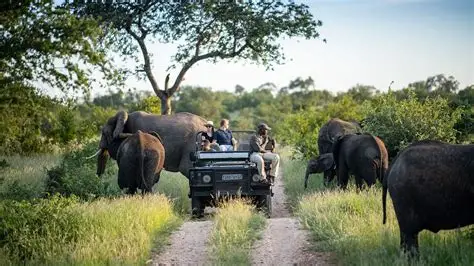
Safari in Kruger National Park
- Conditions: Dry season, concentrated wildlife at waterholes.
- Appeal: Exceptional predator sightings, impala lambing, and golden hours for photography.
- Impact: Kruger remains South Africa’s flagship safari destination, and August offers some of the best game-viewing conditions of the year. Safari lodges and camps are reporting full bookings, with international visitors drawn by reduced malaria risk and unparalleled wildlife experiences.
Economic Impact
According to the Department of Tourism, international arrivals surged by 12.3% in the first half of 2026, with 5.58 million visitors recorded between January and June. This influx is driving significant economic growth across communities, restaurants, and tour operators. Local businesses in Namaqualand, Hermanus, and Mpumalanga are experiencing unprecedented demand, with ripple effects extending to transport, retail, and cultural tourism.
Hospitality Sector Response
Hotels and lodges across these destinations are reporting near-full occupancy rates, with many establishments booked months in advance. Tour operators have expanded their offerings to cater to diverse traveler interests, from eco-tourism and photography workshops in Namaqualand to marine adventure packages in Hermanus and luxury safari experiences in Kruger.
Global Travel Appeal
South Africa’s unique alignment of natural spectacles has elevated its global travel profile. International media coverage has highlighted the country as a must-visit destination in 2026, with travel influencers and eco-tourism advocates amplifying its appeal. The combination of biodiversity, adventure, and cultural richness is positioning South Africa as a leader in sustainable tourism.
Challenges and Opportunities
While the boom is overwhelmingly positive, it also presents challenges. Infrastructure in smaller towns like Namaqualand is under pressure, with increased demand for transport and accommodation. Environmental sustainability is a growing concern, as authorities work to balance tourism growth with conservation. However, the opportunities for job creation, community development, and international branding far outweigh the risks.
Conclusion
August 2026 will be remembered as a transformative month for South Africa’s tourism industry. The rare alignment of wildflowers, whales, and safari has not only boosted visitor numbers but also reshaped the country’s global travel identity. As South Africa continues to balance growth with sustainability, this tourism boom stands as a testament to the power of nature in driving economic and cultural renewal.



