




“South Africa’s 2026 Local Government Elections are emerging as a major test of municipal governance, with early results indicating a substantial decline in support for the African National Congress (ANC) and stronger competition from opposition parties. The developing results are likely to reshape municipal leadership, intensify coalition negotiations and increase pressure on political parties to demonstrate accountability, improve service delivery and restore public confidence in local government.”
South Africa’s Local Election Results Put Municipal Governance, Accountability and Coalition Leadership Under the Spotlight
Published: 5 November 2026
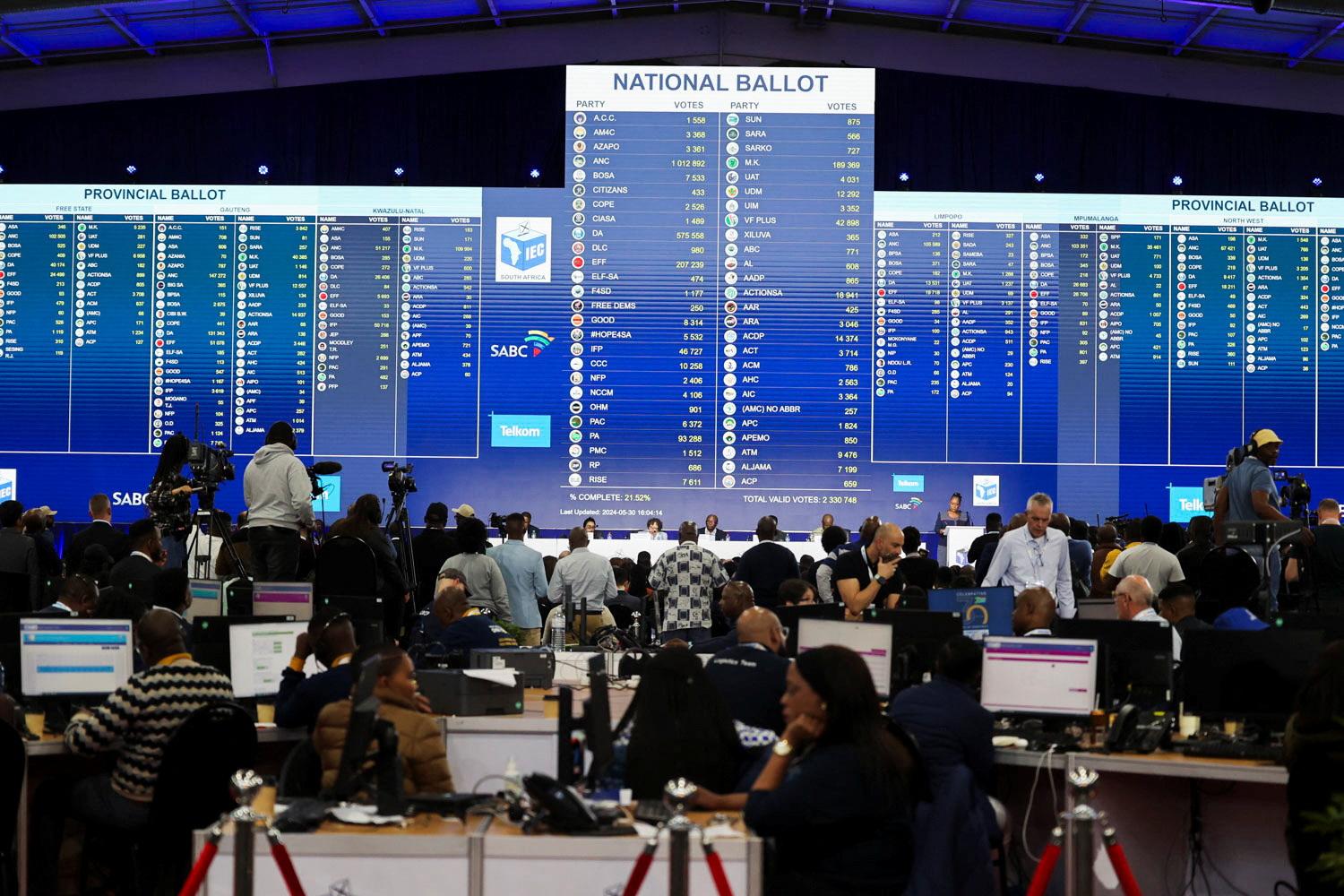
South Africa’s 2026 Local Government Elections are placing municipal governance, political accountability and the future of local leadership at the centre of national political debate. Preliminary election results released on Thursday indicate a significant shift in the country’s political landscape, with the African National Congress (ANC) experiencing a substantial decline in electoral support while opposition parties strengthen their positions across several municipalities.
The developing results are particularly important because local government represents the level of administration most directly responsible for delivering essential public services to communities. Municipal councils oversee water provision, electricity distribution, sanitation, refuse collection, local infrastructure, municipal roads and other services that influence everyday living conditions.
The election therefore represents more than a contest between political parties. It is also a public assessment of municipal performance, administrative effectiveness and the ability of elected representatives to respond to community needs.
ANC Faces Growing Pressure as Election Results Reshape Political Landscape
Early results from the November 4 municipal elections indicate that the ANC is experiencing another substantial electoral setback.
Reuters reported on November 5 that the party had received approximately 32% of the national proportional representation vote after around 28% of votes had been counted. The Democratic Alliance (DA) was recording approximately 28%, while other political parties were competing for significant support in different regions.
The early figures suggest a possible further decline from the ANC’s already weakened performance in the 2021 local government elections, when the party received approximately 46% of the national vote.
However, election officials and political parties have cautioned that counting remains incomplete. The final national outcome could change as additional voting districts and municipal results are processed.
The ANC’s declining support nevertheless highlights the growing challenges confronting the governing party as voters increasingly evaluate political leadership through the performance of public institutions.
The party has faced criticism over municipal financial management, corruption allegations, deteriorating infrastructure and failures in essential service delivery. Although these challenges differ between municipalities, their cumulative effect has contributed to a broader debate about the effectiveness of local governance.
Service Delivery Emerges as a Central Governance Issue
Municipal service delivery remains one of the most important issues influencing South African political accountability.
Communities across the country have repeatedly raised concerns about water shortages, electricity interruptions, sewage infrastructure failures, potholes, uncollected rubbish and deteriorating public facilities.
The Associated Press reported that voters in the 2026 local elections expressed dissatisfaction with declining municipal services, including sewage leaks, water outages and inadequate rubbish collection.
These concerns demonstrate the connection between electoral accountability and administrative performance.
Municipal governments are expected to translate public resources into functioning infrastructure and reliable services. When this responsibility is not fulfilled, residents increasingly demand political consequences.
The election results therefore provide an opportunity to examine whether existing municipal administrations have adequately addressed community concerns.
Municipal leaders will face pressure to demonstrate that electoral mandates translate into measurable improvements in public services.
Coalition Governance Becomes Increasingly Important
The changing electoral landscape is expected to increase the importance of coalition governments in South African municipalities.
Where no political party secures an outright majority, municipal councils must negotiate governing arrangements that allow them to elect mayors, appoint executive leadership and approve budgets.
These negotiations can create opportunities for broader political representation. However, they can also introduce instability when coalition partners disagree about leadership appointments, policy priorities or the allocation of executive responsibilities.
Johannesburg and other major metropolitan areas are particularly important because their political outcomes influence national debates about urban governance, infrastructure investment and economic development.
The Financial Times reported that early election results point towards extensive coalition negotiations, with several municipalities facing uncertain governing arrangements.
Political parties will therefore need to balance electoral commitments with the practical requirements of municipal administration.
Coalition agreements that prioritise service delivery, financial discipline and administrative stability could strengthen governance. Conversely, arrangements driven primarily by political positions or leadership disputes could undermine municipal effectiveness.
Johannesburg and Durban Become Important Governance Battlegrounds
The political outcomes in major metropolitan municipalities are particularly significant because these cities influence South Africa’s economic performance and public administration.
Johannesburg faces persistent infrastructure challenges, including electricity interruptions, water shortages, road maintenance problems and pressure on municipal finances.
Durban, meanwhile, remains important to national economic activity because of its port, transport infrastructure and industrial connections.
Political leadership in these municipalities must manage complex administrative responsibilities while responding to growing public expectations.
The election results could produce new governing coalitions or reinforce existing political arrangements, depending on the final council composition.
The central governance question is whether political negotiations will produce administrations capable of implementing effective municipal development strategies.
Electoral Accountability and Public Confidence
The 2026 elections demonstrate the importance of democratic accountability in South Africa’s constitutional system.
Citizens have the opportunity to reward political leadership that performs effectively and remove representatives who fail to meet expectations.
This accountability mechanism is particularly important at municipal level because residents can directly observe many aspects of government performance.
A municipality that consistently provides reliable water, maintains roads, manages waste effectively and communicates transparently with residents can strengthen public confidence.
However, administrations that experience persistent failures risk losing political legitimacy.
The election results suggest that voters are increasingly willing to challenge established political leadership when municipal performance falls short of expectations.
Political parties will need to respond to this changing electoral environment by improving governance practices and demonstrating greater responsiveness to communities.
Municipal Financial Management Remains a Major Challenge
Financial accountability is another important dimension of South Africa’s local government crisis.
Municipalities require sufficient revenue, responsible expenditure and effective financial controls to maintain infrastructure and provide essential services.
Weak financial management can contribute to unpaid service providers, deteriorating infrastructure, rising municipal debt and reduced investment capacity.
Municipal administrations must therefore prioritise transparent procurement, credible budgeting and effective expenditure monitoring.
Political leadership also has an important responsibility to ensure that municipal resources are directed towards public priorities rather than unnecessary expenditure or politically motivated projects.
The new municipal councils will face pressure to strengthen financial governance and demonstrate that public funds are being used responsibly.
Improved financial management could help restore confidence among residents, businesses and investors.
Administrative Capacity and Professional Municipal Leadership
Effective municipal governance depends not only on elected political representatives but also on competent administrative institutions.
Municipal managers, finance officials, engineers, planners and other professionals play essential roles in implementing council decisions and maintaining public services.
Political instability, frequent leadership changes and interference in administrative appointments can weaken institutional capacity.
The election results therefore raise important questions about how municipalities can maintain administrative continuity while responding to changing political leadership.
Professional appointments, clear accountability arrangements and effective performance monitoring are essential for improving local government.
Municipal administrations also need stronger technical capacity to manage infrastructure projects, monitor contractors and address service delivery challenges.
The incoming councils will have an opportunity to prioritise administrative reform and strengthen institutional performance.
Implications for National Politics
The municipal election results could have consequences extending beyond local government.
The ANC’s declining support may intensify internal discussions about leadership, electoral strategy and political reform ahead of the 2029 national elections.
The results could also influence relations within South Africa’s national government of national unity, where the ANC and DA participate alongside other political parties.
Although municipal elections are determined by local political considerations, their outcomes can provide important indications of public sentiment towards national political leadership.
The growing strength of opposition parties could encourage more competitive political engagement and increase pressure for institutional reforms.
However, national political consequences will depend on final election results, coalition developments and subsequent party responses.
Election Administration and Democratic Institutions
The Independent Electoral Commission (IEC) remains central to the credibility of South Africa’s electoral process.
Accurate vote counting, transparent result verification and effective communication are essential for maintaining public confidence.
The election process also demonstrates the importance of independent institutions in supporting democratic governance.
Political parties and voters must respect established electoral procedures while addressing disputes through appropriate legal and institutional mechanisms.
As counting continues, the IEC’s ability to manage results accurately and communicate progress transparently will remain important.
A credible electoral process provides the foundation for legitimate municipal leadership and peaceful political transitions.
The Governance Priorities Facing Incoming Municipal Councils
The incoming municipal councils will face several immediate responsibilities.
First, they must establish stable governing arrangements that allow councils to function effectively.
Second, they must prioritise infrastructure maintenance and improve the reliability of essential municipal services.
Third, they must strengthen financial management, reduce wasteful expenditure and improve procurement oversight.
Fourth, they must improve public participation by ensuring that residents have meaningful opportunities to influence municipal decisions.
Finally, they must establish clear performance targets and communicate progress regularly.
These priorities will determine whether the election results produce meaningful improvements in local governance.
Conclusion: Electoral Change Creates an Opportunity for Governance Reform
South Africa’s 2026 Local Government Elections represent an important moment for municipal democracy.
The preliminary results indicate growing political competition and declining support for established leadership, particularly the ANC.
However, electoral change alone cannot resolve the country’s municipal governance challenges.
The real test will be whether incoming councils can translate political mandates into improved service delivery, stronger financial accountability and more effective administration.
Coalition negotiations, municipal leadership appointments and budget decisions will determine how effectively new governing arrangements function.
For residents, the most important outcome will be whether local government becomes more responsive, transparent and capable of delivering essential services.
The election results therefore provide both a warning to political leaders and an opportunity to strengthen democratic accountability.
Ultimately, the credibility of South Africa’s municipal governance system will depend on whether elected representatives demonstrate that public office carries a responsibility to serve communities, manage resources responsibly and deliver measurable improvements in people’s lives.



