




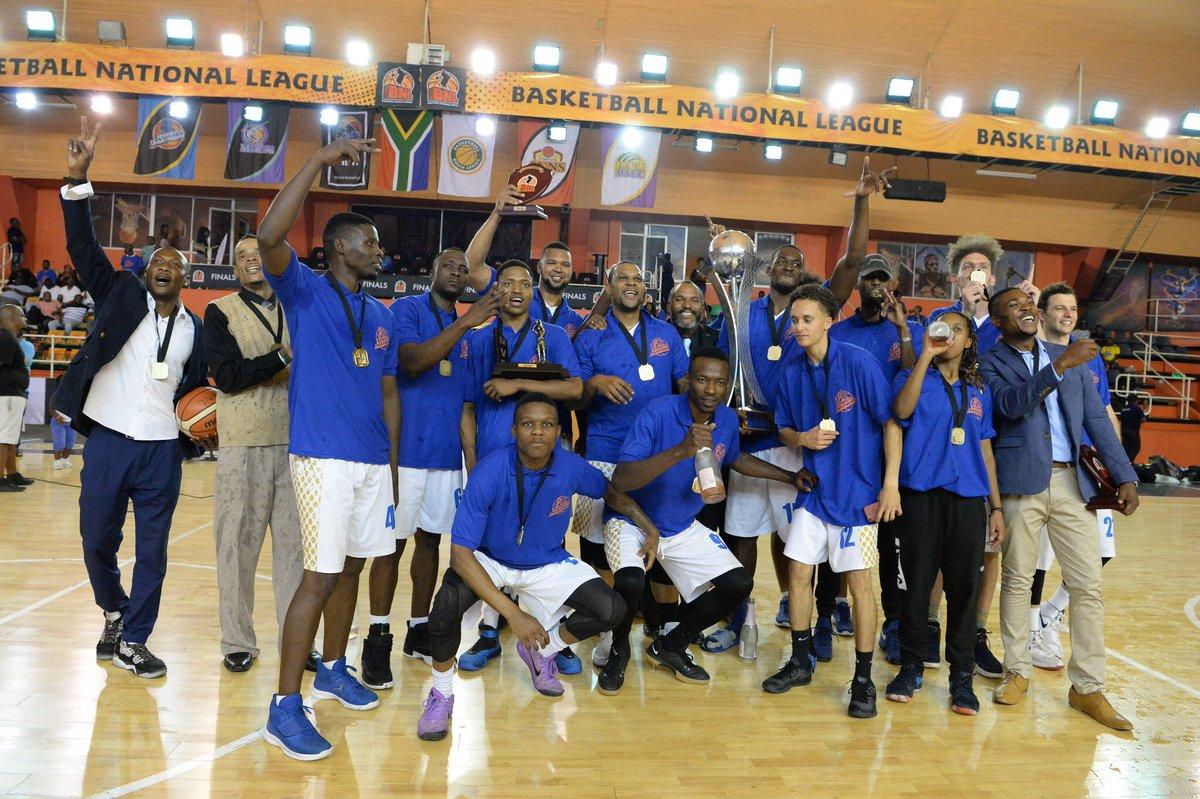
“South Africa’s Soweto Panthers are competing in Group E of the 2027 Basketball Africa League (BAL) qualification tournament in Lusaka, Zambia, where they face Zimbabwe’s Harare Kings on 31 October 2026 as they pursue a place in the next qualification round. Their continental campaign is particularly significant because South African basketball is simultaneously dealing with a dispute over club representation, making the Panthers’ performance an important test of the country’s competitive ambitions.”
South Africa’s continental ambitions come into focus as Soweto Panthers pursue Road to BAL 2027 qualification
South African basketball is entering an important period as the Soweto Panthers compete in the Basketball Africa League (BAL) 2027 qualification tournament in Lusaka, Zambia. The competition offers the club an opportunity to demonstrate its quality against some of the continent’s strongest basketball teams while representing South Africa on an increasingly competitive African basketball stage.
The Panthers’ participation is particularly important because the Road to BAL provides clubs with a pathway towards Africa’s premier professional basketball competition. Their scheduled encounter against Zimbabwe’s Harare Kings on Saturday, 31 October, is one of the significant fixtures in Group E, where teams are competing for places in the next qualification stage.
According to information published by FIBA Africa, Group E brings together six clubs from different African countries. These are Soweto Panthers from South Africa, Harare Kings from Zimbabwe, Dolphins Basketball Club from Botswana, Ferroviário da Beira from Mozambique, Munali Suns from Zambia and Bravehearts Basketball Club from Malawi.
The competition provides an opportunity for these clubs to measure their abilities against different basketball systems, playing styles and levels of experience. Furthermore, qualification would provide the successful teams with another opportunity to move closer to the main BAL competition.
Soweto Panthers carry South Africa’s continental hopes
The Soweto Panthers enter the tournament with considerable expectations following their success in the 2026 Basketball National League championship.
The club’s achievement provided an opportunity to pursue international competition and demonstrate the quality of South African domestic basketball. Their participation also represents an important milestone for a team that has developed its identity through competitive basketball and community connections in Soweto.
The Basketball National League announced on 14 October that FIBA Africa had confirmed the Panthers’ registration as South Africa’s representatives for the Road to BAL 2027 qualification cycle. The announcement followed their national league championship victory.
For the players and coaching staff, the continental tournament presents a different challenge from domestic competition. Teams must adapt to unfamiliar opponents, different tactical approaches and the pressure of competing in a tournament where qualification opportunities are limited.
Consequently, preparation, consistency and teamwork will be essential throughout the group stage.
The Panthers must demonstrate that their domestic success can translate into competitive performances outside South Africa. Their ability to defend effectively, control possession and convert scoring opportunities could influence their chances of progressing.
Moreover, the team will need to maintain concentration throughout its matches because small mistakes can have significant consequences in tightly contested basketball games.
Important Harare Kings encounter
The Panthers are scheduled to face Harare Kings on 31 October at the NASDEC Sports Complex in Lusaka.
The match is particularly important because both teams are competing for valuable points in Group E. Harare Kings represent Zimbabwe, bringing another country’s basketball ambitions into a contest that could influence the final qualification standings.
According to the published FIBA Africa schedule, the encounter is scheduled for 10:00 UTC.
For Soweto Panthers, the immediate objective will be to deliver an organised performance and take advantage of opportunities created during the game.
Their offensive approach will need to balance individual creativity with coordinated team movement. Effective passing, disciplined shooting and intelligent positioning could help create opportunities against the Zimbabwean side.
Defensively, the Panthers will need to prevent Harare Kings from establishing comfortable scoring positions. Rebounding will also be important because controlling missed shots can provide additional attacking opportunities and reduce pressure on the defensive unit.
However, the match should not be viewed as an isolated contest. Its importance extends to the Panthers’ overall campaign and their ambitions of securing progression from the group.
The result will contribute to the wider competitive picture, although qualification will ultimately depend on the results of the other participating teams.
A competitive Group E presents several challenges
Group E features clubs with different basketball backgrounds and competitive experiences.
Ferroviário da Beira, for example, represents Mozambique and brings another established basketball environment into the tournament. Meanwhile, the host country’s Munali Suns will have the opportunity to compete in familiar surroundings.
Botswana’s Dolphins Basketball Club and Malawi’s Bravehearts Basketball Club also provide additional competition.
The variety of teams makes the group particularly interesting because each opponent presents a different tactical challenge.
For the Panthers, this means that preparation cannot depend on one playing style. The coaching staff must evaluate opponents individually and make appropriate adjustments.
Against physically strong opponents, the team may need to emphasise rebounding and defensive organisation. Against teams that prefer faster basketball, controlling possession and maintaining defensive discipline could become particularly important.
Additionally, managing player energy across several fixtures will be essential.
Tournament basketball can place considerable physical demands on athletes, particularly when teams have limited recovery periods between matches. Effective substitutions, fitness management and communication between players and coaches will therefore influence performance.
The Road to BAL offers a significant opportunity
The Basketball Africa League was established through a partnership between the National Basketball Association (NBA) and the International Basketball Federation (FIBA).
Since its introduction in 2021, the competition has provided a professional platform for African clubs to compete internationally and attract greater attention to basketball across the continent.
The Road to BAL qualification system allows domestic champions and other eligible clubs to compete for places in the main competition.
According to FIBA’s published information, the 2027 qualification tournament is organised through regional stages before the decisive Elite 16 round. The top teams from the qualification divisions will earn opportunities to advance towards the BAL season.
For South African basketball, participation creates opportunities to strengthen the country’s position within African club competition.
It also offers players an opportunity to gain experience against international opposition. Such exposure can contribute to individual development, improve tactical understanding and help athletes prepare for higher levels of competition.
Furthermore, successful participation could increase the visibility of South African basketball among sponsors, supporters, professional organisations and potential development partners.
Governance challenges remain an important issue
While the Panthers concentrate on their continental campaign, South African basketball continues to face important governance questions.
A disagreement between Basketball South Africa (BSA) and the Basketball National League has created uncertainty about the country’s club representation and the authority behind different domestic competitions.
The disagreement became particularly visible following the announcement that the Soweto Panthers would represent South Africa in the Road to BAL 2027.
Basketball South Africa challenged that appointment, maintaining that the Johannesburg Giants were the legitimate national champions following their victory in the federation’s national club championships.
The Johannesburg Giants had won the national championship with an unbeaten record of four victories, including a 99–57 victory against MBB.
The competing claims have raised questions about the relationship between domestic league structures, national federation recognition and international competition procedures.
EWN reported on 19 October that BSA intended to challenge the Panthers’ appointment through the relevant FIBA structures. The federation argued that its own confirmation of the Johannesburg Giants had already been submitted.
The disagreement highlights the importance of transparent competition administration.
For South African basketball to develop sustainably, stakeholders must establish clear procedures governing national championships, club eligibility and international representation.
Players and supporters should not have to experience unnecessary uncertainty about the competitions they participate in or the teams authorised to represent the country.
NBA Africa highlights opportunities for further development
Beyond the immediate qualification competition, investment in basketball infrastructure remains an important priority.
NBA South Africa head Zeph Masote recently discussed the growth of the Basketball Africa League and the opportunities available to develop basketball further across the country.
Speaking to SABC Sport on 27 October 2026, Masote highlighted the growing attendance figures recorded during the 2026 BAL season.
He reported that more than 38,000 spectators attended games at SunBet Arena in Pretoria. He also encouraged corporate organisations and local municipalities to work with NBA South Africa to extend basketball infrastructure projects.
These developments demonstrate that the sport has opportunities to attract larger audiences and strengthen its commercial foundations.
However, continued growth requires investment beyond major professional competitions.
Community courts, school programmes, coaching education and accessible youth competitions are equally important.
Young players need opportunities to learn the fundamentals of basketball, develop their physical abilities and compete regularly.
In addition, talented athletes need structured pathways that connect community participation with school, provincial, national and professional competitions.
South Africa has an opportunity to use the growing popularity of international basketball to strengthen these development structures.
Youth development and community participation
Basketball offers significant opportunities for young people because it can be introduced through relatively accessible community facilities.
Schools, local clubs and community organisations can help expand participation by organising competitions, training sessions and development programmes.
The success of professional clubs can also encourage young athletes to become more involved in the sport.
For Soweto Panthers, representing South Africa internationally provides an opportunity to inspire young basketball players in Soweto and other communities.
Their participation can demonstrate that local clubs have opportunities to compete beyond domestic competitions.
Nevertheless, inspiration must be supported by practical development opportunities.
Young players require qualified coaches, appropriate playing facilities, equipment and consistent competition.
Schools and community organisations can contribute by introducing structured programmes that identify talent and encourage participation among boys and girls.
Corporate sponsorship can also support these initiatives through equipment donations, facility improvements and youth competitions.
The long-term objective should be to create an environment where talented players can develop without facing unnecessary financial or geographical barriers.
Commercial opportunities for South African basketball
The growing profile of African basketball also creates opportunities for commercial partnerships.
Professional clubs require financial support to manage travel, accommodation, player development, equipment, coaching and tournament participation.
Sponsors can benefit from connecting their brands with sporting events that attract passionate audiences and promote youth participation.
For South African companies, supporting basketball can provide opportunities to demonstrate their commitment to community development.
Furthermore, television coverage, digital media and social media platforms can help clubs reach supporters beyond their immediate locations.
A successful continental campaign could therefore create additional attention for Soweto Panthers and South African basketball.
However, clubs must develop professional marketing strategies and maintain strong relationships with supporters and commercial partners.
Transparent management and clear communication will be essential for attracting long-term investment.
What the Panthers need to achieve
The Panthers’ immediate priority is to compete consistently throughout Group E.
Their scheduled meeting with Harare Kings represents an important opportunity to demonstrate their competitiveness.
Beyond that encounter, the club must remain focused on its other group opponents and the broader qualification requirements.
Effective preparation, tactical discipline and player fitness will be essential.
The coaching staff must also ensure that players understand their individual responsibilities and work collectively towards the team’s objectives.
Supporters will be watching closely to see whether the South African representatives can translate their domestic championship success into continental progress.
Although expectations are high, the competition will require patience and concentration.
Every match provides an opportunity to improve, assess weaknesses and strengthen the team’s overall performance.
Conclusion: An important moment for South African basketball
Soweto Panthers’ participation in the Road to BAL 2027 is an important development for South African basketball.
Their campaign in Lusaka offers an opportunity to compete internationally, represent the country and demonstrate the quality of domestic basketball.
At the same time, the tournament highlights the importance of stronger governance, improved infrastructure, youth development and sustainable investment.
The Harare Kings encounter on 31 October is one of the key fixtures in the Panthers’ Group E campaign. However, their broader objective extends beyond one match: securing progression and moving closer to the Basketball Africa League.
South African basketball has significant potential, but realising that potential requires cooperation between clubs, administrators, government institutions, sponsors and development organisations.
Ultimately, a successful continental campaign could provide valuable momentum for the sport.
For the Soweto Panthers, the challenge is clear: compete with determination, represent South Africa with pride and pursue the opportunity to reach the next stage of African basketball.



