




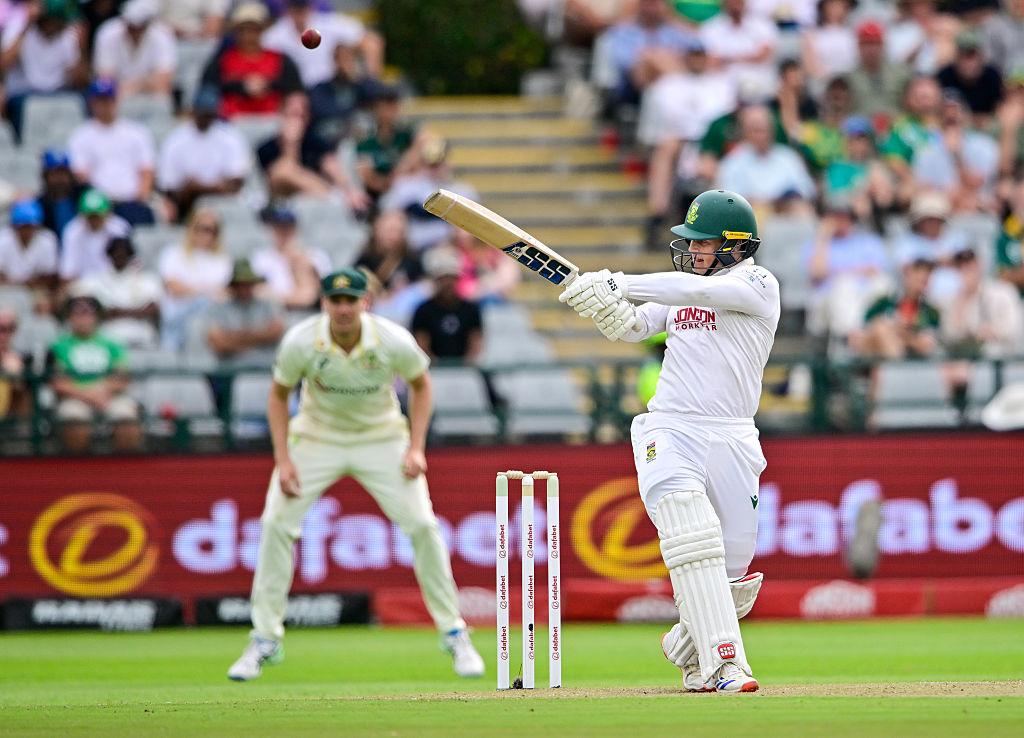
“South Africa entered the final day of the decisive third Test against Australia with a significant opportunity to win the series after centuries from Ryan Rickelton and Wiaan Mulder helped establish a target of 288 runs. Australia must attempt a challenging fourth-innings chase on an increasingly worn Newlands pitch, with the series tied at 1–1 and the winner set to claim the world number-one Test ranking”
Proteas Seek Historic Victory as Rickelton and Mulder Set Australia a Challenging 288-Run Target at Newlands
South Africa’s opportunity to secure a memorable Test series victory
South African cricket supporters have an exciting opportunity to witness a potentially historic moment as the Proteas face Australia in the decisive fifth day of their third Test at Newlands Cricket Ground in Cape Town. The closely contested encounter has developed into one of the most significant cricket matches of South Africa’s 2026 international season, with both teams competing not only for the series trophy but also for the opportunity to occupy the number-one position in the international Test rankings.
South Africa entered the final day with Australia requiring 288 runs to win after an impressive second-innings batting performance produced 387 runs. The contributions of Ryan Rickelton and Wiaan Mulder proved particularly important, as both players scored centuries under considerable pressure. Their partnership transformed what initially appeared to be a difficult position for the home team into a realistic opportunity to secure victory.
The three-match series was level at 1–1 before the decisive encounter. Australia had dominated the opening Test in Durban, winning by 214 runs. However, South Africa responded emphatically in the second Test at St George’s Park in Gqeberha, winning by an innings and 31 runs. Consequently, the Newlands match became the deciding contest, increasing the pressure on both teams.
The significance extends beyond national pride. The team that wins the match will take the leading position in the ICC Test team rankings, currently occupied by Australia. This additional incentive makes the contest particularly important for South African cricket, which has been working to establish consistent performances against the strongest international opponents.
Rickelton delivers an important century under pressure
Ryan Rickelton emerged as one of South Africa’s most important performers during the fourth day’s play. His century demonstrated patience, concentration and the ability to manage pressure against an experienced Australian bowling attack.
South Africa resumed the fourth day on 140 runs for four wickets, leaving the middle and lower batting order with considerable responsibility. Australia needed early breakthroughs to prevent the home side from establishing a meaningful advantage. However, Rickelton remained determined to occupy the crease and build a partnership rather than chase quick runs.
His approach proved effective. Instead of allowing Australia’s fast bowlers to dictate the pace, he concentrated on selecting appropriate deliveries and protecting his wicket. This method was particularly valuable because the Australian attack included experienced bowlers capable of exploiting mistakes.
Rickelton eventually reached 101 runs, recording another significant milestone in his developing Test career. His innings was important not simply because of the number of runs scored, but also because of the time he spent batting and the pressure he placed on Australia’s bowling resources.
His dismissal came through a run-out following a misunderstanding with Mulder. Although the dismissal ended an excellent innings, the partnership had already placed South Africa in a stronger position.
Rickelton explained that the team’s strategy involved winning the smaller battles throughout the innings. The South African batters understood that remaining at the crease would gradually increase Australia’s frustration and create opportunities to take control of the match.
Wiaan Mulder strengthens South Africa’s position
Wiaan Mulder provided another outstanding contribution, scoring 115 runs to become South Africa’s leading scorer in the second innings. His performance demonstrated his growing importance as an all-rounder capable of influencing important international matches with both bat and ball.
Mulder’s innings was especially valuable because South Africa needed someone to continue batting after Rickelton’s departure. The dismissal of the century-maker could have triggered a rapid collapse, particularly with the Australian bowlers attempting to remove the remaining middle and lower-order players.
Instead, Mulder maintained his concentration and continued accumulating runs. He demonstrated good judgement when deciding which deliveries to defend and which opportunities to attack.
The partnership between Rickelton and Mulder produced 154 runs for the sixth wicket. This was a decisive development in the match because it prevented Australia from quickly dismissing the remaining South African batters.
Their understanding also reflected the importance of partnerships in Test cricket. Both players came through the South African domestic cricket system and shared a background at St Stithians College. Their familiarity appeared valuable as they worked together to resist Australia’s bowling pressure.
Mulder eventually reached his fourth Test century. His ability to remain composed while wickets fell around him demonstrated the importance of experienced decision-making and concentration in the longer format.
South Africa eventually completed its second innings at 387 runs, establishing a target of 288 for Australia.
Australia’s bowling attack faces a difficult challenge
Australia entered the fourth day hoping to dismiss South Africa quickly and establish a manageable target for the final innings. However, Rickelton and Mulder frustrated those plans through their disciplined batting.
Mitchell Starc, Josh Hazlewood, Pat Cummins and Nathan Lyon were among the bowlers responsible for challenging the South African batting order. Their experience made Australia dangerous throughout the match, although the home side successfully resisted their efforts during the crucial partnership.
Nathan Lyon remained particularly important because of his ability to generate spin from the Newlands surface. As the match progressed, the pitch began showing signs of deterioration, creating opportunities for deliveries to turn and bounce unpredictably.
Australia eventually dismissed South Africa for 387. Nevertheless, the time spent in the field and the runs conceded meant that the visitors entered their final innings with a demanding assignment.
Pat Cummins also faced the challenge of managing his bowling resources carefully. His team needed to balance attacking cricket with patience because losing wickets early could make the chase extremely difficult.
Australia’s batting strength means that the visitors cannot be dismissed as unlikely winners. Their players have demonstrated the ability to produce substantial scores, and the presence of experienced batters provides a genuine threat to South Africa’s hopes.
The Newlands pitch could determine the final outcome
One of the most important factors heading into the final day is the condition of the Newlands pitch. Test cricket frequently produces dramatic changes as a match progresses, and the surface in Cape Town has begun showing signs of wear.
The deterioration creates additional challenges for Australia’s batters. Footmarks created by fast bowlers can provide opportunities for spin bowlers, while uneven bounce can make it difficult for batters to predict the behaviour of deliveries.
South Africa could benefit from these conditions through the experience of spinner Simon Harmer. His ability to exploit turning surfaces makes him an important player during the Australian chase.
Harmer’s performance in the first innings already demonstrated his value. He claimed four Australian wickets for 104 runs, helping South Africa restrict the visitors despite substantial contributions from their batting order.
The South African fast bowlers could also play a decisive role. Kagiso Rabada, Marco Jansen and Gerald Coetzee offer different bowling strengths, including pace, movement and the ability to generate bounce.
If South Africa takes early wickets, Australia could find itself under considerable pressure. However, if the visitors establish a strong opening partnership, the contest could become much more competitive.
Australia’s 288-run challenge
Australia’s target of 288 represents a difficult but achievable assignment for an experienced international batting line-up.
The visitors must balance caution with the need to score consistently. An overly defensive approach could allow South Africa’s bowlers to maintain pressure, while aggressive batting could expose the team to unnecessary dismissals.
Australia has already demonstrated its batting capabilities during the match. Josh Inglis scored 102 runs in the first innings, while Alex Carey contributed 80 and Matt Renshaw added 74. Their performances helped Australia reach 429 runs.
These contributions demonstrate that Australia possesses players capable of building substantial partnerships. Nevertheless, the final innings presents a different challenge because the pitch has deteriorated and the South African bowlers have had time to recover.
Australia will therefore need intelligent shot selection, effective communication between batters and careful management of pressure.
South Africa, meanwhile, must maintain discipline in the field. Dropped catches, unnecessary extras and missed opportunities could give Australia the advantage it needs.
What the result means for South African cricket
A victory against Australia would represent an important achievement for South African cricket. Winning a closely contested Test series against one of the world’s strongest cricket nations would strengthen the Proteas’ international reputation.
It would also demonstrate the value of the team’s developing batting depth. The contributions from Rickelton and Mulder illustrate how players outside the traditional established batting leadership can influence major international contests.
Furthermore, the series has provided opportunities to assess the effectiveness of South Africa’s bowling combination. Harmer’s spin bowling, Jansen’s pace and Rabada’s experience offer the team several options when defending totals.
For the broader cricketing community, performances in this series could also influence discussions about player development, selection and the future direction of South African Test cricket.
Domestic competitions remain important in producing players capable of competing internationally. The development of younger batters and bowlers through provincial cricket will be essential if South Africa hopes to maintain its competitiveness across all formats.
The Newlands encounter therefore carries significance beyond one individual result. It provides an opportunity to demonstrate the strength of the country’s cricketing structures and the ability of its players to compete under demanding conditions.
Supporters await a decisive conclusion
The final day at Newlands offers an exciting conclusion to a competitive series between two respected cricketing nations. South Africa has established a challenging target, but Australia retains the opportunity to produce a memorable fourth-innings performance.
Rickelton’s century and Mulder’s 115 have given the Proteas an opportunity to fight for victory after facing a substantial first-innings deficit. Their 154-run partnership demonstrated determination and provided the foundation for the home side’s comeback.
However, South Africa must now convert that batting achievement into effective bowling and fielding. The responsibility rests on the entire team to remain focused throughout Australia’s chase.
For Australian supporters, the challenge represents an opportunity to demonstrate their team’s resilience in difficult circumstances. For South African supporters, it represents the possibility of a major home-series triumph and a return to the summit of Test cricket.
The final result remains the defining development to watch on 31 October 2026. The available match reporting establishes Australia’s target and South Africa’s advantage, but does not yet provide a verified final result.



