




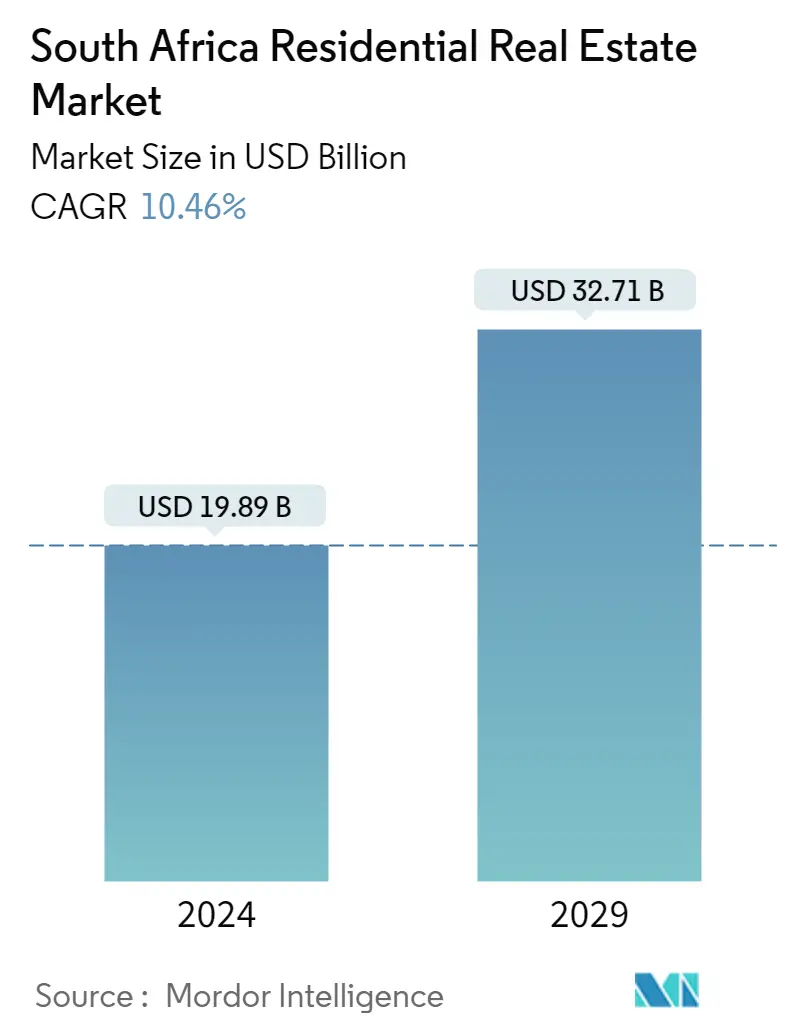
“South African property buyers are increasingly turning to smaller coastal towns as traditional hotspots become unaffordable, driving a wave of investment into overlooked regions. This shift is expected to redefine the country’s housing market, offering both lifestyle benefits and stronger long-term value.”
South Africa’s real estate market is undergoing a significant transformation in 2026, as rising property prices in traditional coastal hotspots such as Cape Town, Durban, and Plettenberg Bay push buyers toward smaller, secondary towns. This trend, dubbed the “new coastal wave,” is reshaping the property landscape and creating fresh opportunities for investors, developers, and homeowners alike.
For decades, Cape Town and Durban dominated the coastal property scene, attracting both local and international buyers with their scenic beauty, vibrant economies, and established infrastructure. However, escalating demand has driven property prices in these areas to record highs, making them increasingly inaccessible to middle-income buyers. In Cape Town, for example, prime properties in Clifton and Camps Bay now command prices well beyond the reach of most South Africans, while Durban’s beachfront developments have seen similar surges.
In response, buyers are exploring smaller towns along the coast, such as Mossel Bay, Jeffreys Bay, and St. Francis Bay. These towns offer a compelling mix of affordability, lifestyle appeal, and long-term growth potential. Mossel Bay, for instance, has seen a steady influx of buyers seeking family-friendly environments and lower property costs, while Jeffreys Bay’s reputation as a surfing hub adds unique lifestyle value. St. Francis Bay, with its canals and relaxed atmosphere, is increasingly popular among retirees and professionals seeking a quieter pace of life.
Industry experts note that this shift is not merely about affordability but also about lifestyle choices. Remote work has enabled more South Africans to live outside major urban centers, reducing the need to be tied to Cape Town or Johannesburg. Buyers are prioritizing quality of life, access to nature, and community-driven living, all of which secondary coastal towns deliver in abundance.
From an investment perspective, these towns represent untapped potential. While property prices remain lower than in traditional hotspots, they are rising steadily as demand grows. Analysts predict that early investors in these regions could see significant returns over the next decade, particularly as infrastructure improves and tourism expands. Developers are already responding, with new housing projects and mixed-use developments emerging to meet demand.
Challenges remain, however. Smaller towns often face infrastructure limitations, including water supply, electricity reliability, and healthcare access. Local municipalities will need to invest in upgrading services to accommodate the influx of new residents. Additionally, while affordability is a key driver, rising demand could eventually push prices upward, potentially replicating the affordability crisis seen in Cape Town and Durban.
Despite these concerns, the “new coastal wave” reflects a broader evolution in South Africa’s housing market. Buyers are no longer confined to traditional hotspots; instead, they are redefining what coastal living means. This trend underscores the resilience and adaptability of the real estate sector, even amid economic pressures and shifting demographics.
In conclusion, South Africa’s real estate market in 2026 is marked by a decisive shift toward secondary coastal towns. This movement offers affordability, lifestyle appeal, and long-term growth, positioning these towns as the new frontier of property investment. For buyers and investors alike, the message is clear: the future of coastal living lies beyond the traditional hotspots, in the hidden gems waiting to be discovered.



