




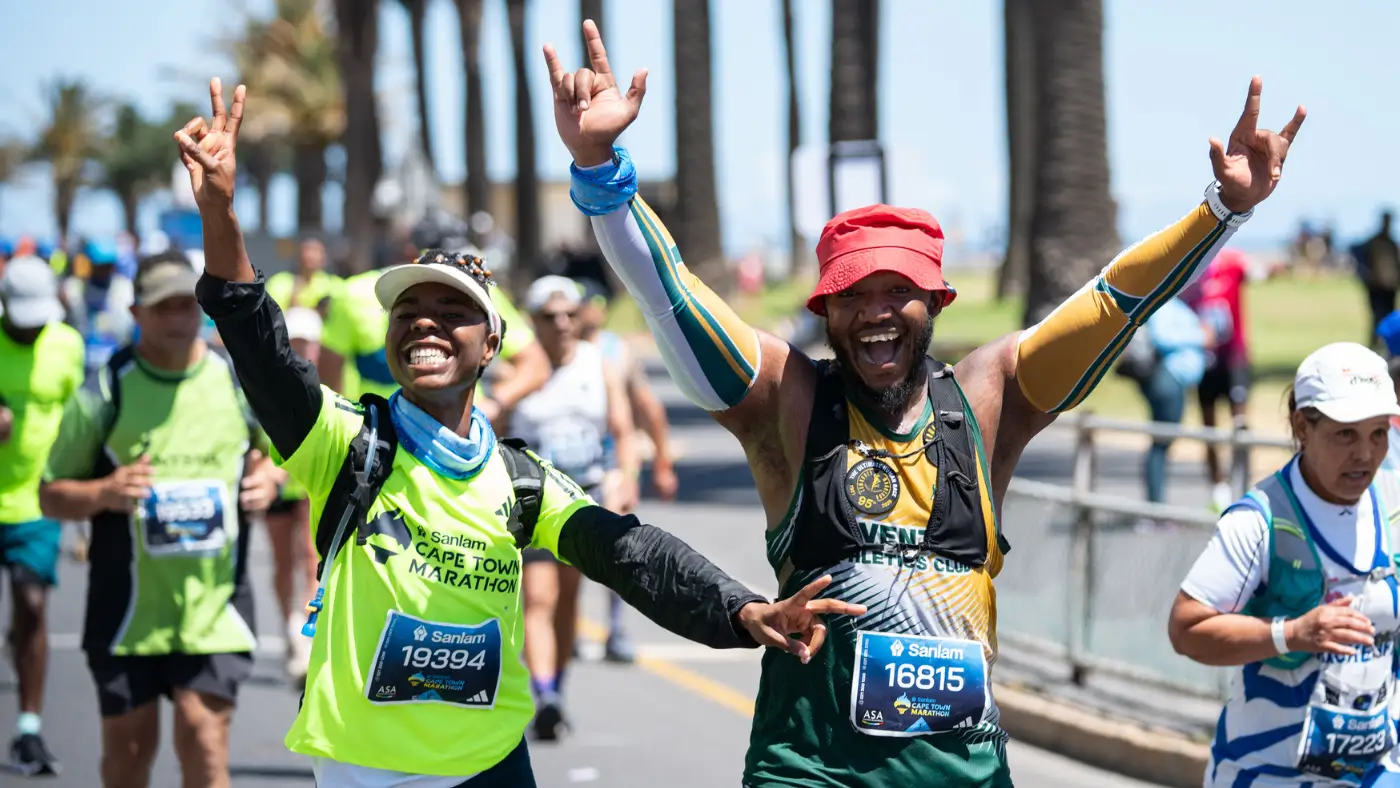
“Social run clubs are rapidly expanding across South Africa, offering a blend of fitness, community, and mental health support. These grassroots initiatives are transforming running from a solitary pursuit into a collective lifestyle movement that fosters inclusivity and long-term wellness.”
In South Africa, fitness trends often mirror global movements, but the rise of social run clubs represents a uniquely local adaptation. These clubs are not just about running; they are about creating communities, breaking down barriers to entry, and redefining what fitness means in a society grappling with health disparities, urban stress, and social fragmentation.
The Concept of Social Run Clubs
Social run clubs are informal groups where people gather to run together, often in urban neighborhoods, parks, or scenic routes. Unlike competitive athletics, these clubs emphasize participation, inclusivity, and enjoyment. They welcome runners of all ages, fitness levels, and backgrounds, making them accessible to beginners and seasoned athletes alike.
Why They Matter in South Africa
- Accessibility: Traditional gyms and fitness programs can be costly. Run clubs are free or low-cost, lowering barriers for participation.
- Community Building: In cities like Johannesburg, Cape Town, and Durban, run clubs foster social cohesion in diverse communities.
- Mental Health Benefits: Running in groups reduces isolation, combats stress, and supports mental well-being.
- Safety: Running in groups provides security in areas where solo jogging may be unsafe.
Case Studies
- Cape Town Run Collective – Known for its scenic coastal runs, this club attracts both locals and tourists, blending fitness with tourism.
- Johannesburg Inner-City Runners – Focused on reclaiming urban spaces, this group promotes safety and pride in city neighborhoods.
- Durban Sunrise Runners – Early morning runs along the beachfront emphasize discipline and community bonding.
The Social Dimension
Social run clubs are more than exercise—they are social hubs. Members often gather for coffee after runs, organize charity events, and support one another in personal fitness journeys. This social aspect has proven crucial in sustaining participation, as people are more likely to stick with fitness routines when they feel part of a supportive community.
Health Impact
- Physical Health: Regular running improves cardiovascular health, aids weight management, and boosts endurance.
- Mental Health: Group running reduces anxiety and depression, offering a sense of belonging.
- Public Health: By encouraging active lifestyles, run clubs contribute to reducing the burden of non-communicable diseases like diabetes and hypertension.
Challenges
- Inclusivity: While many clubs strive for inclusivity, some unintentionally exclude lower-income participants due to location or timing.
- Sustainability: Maintaining momentum requires consistent leadership and community engagement.
- Safety Concerns: Urban crime and traffic hazards remain challenges for runners.
Future Outlook
Experts predict that social run clubs will continue to grow, potentially integrating with formal health initiatives. Partnerships with municipalities could see run clubs linked to public health campaigns, while collaborations with brands may provide sponsorships and resources.
Conclusion
The rise of social run clubs in South Africa represents a powerful shift in how fitness is perceived and practiced. By combining exercise with community, inclusivity, and mental health support, these clubs are redefining wellness for a new generation. They are not just running groups—they are social movements that embody resilience, unity, and health in a rapidly changing society.



