




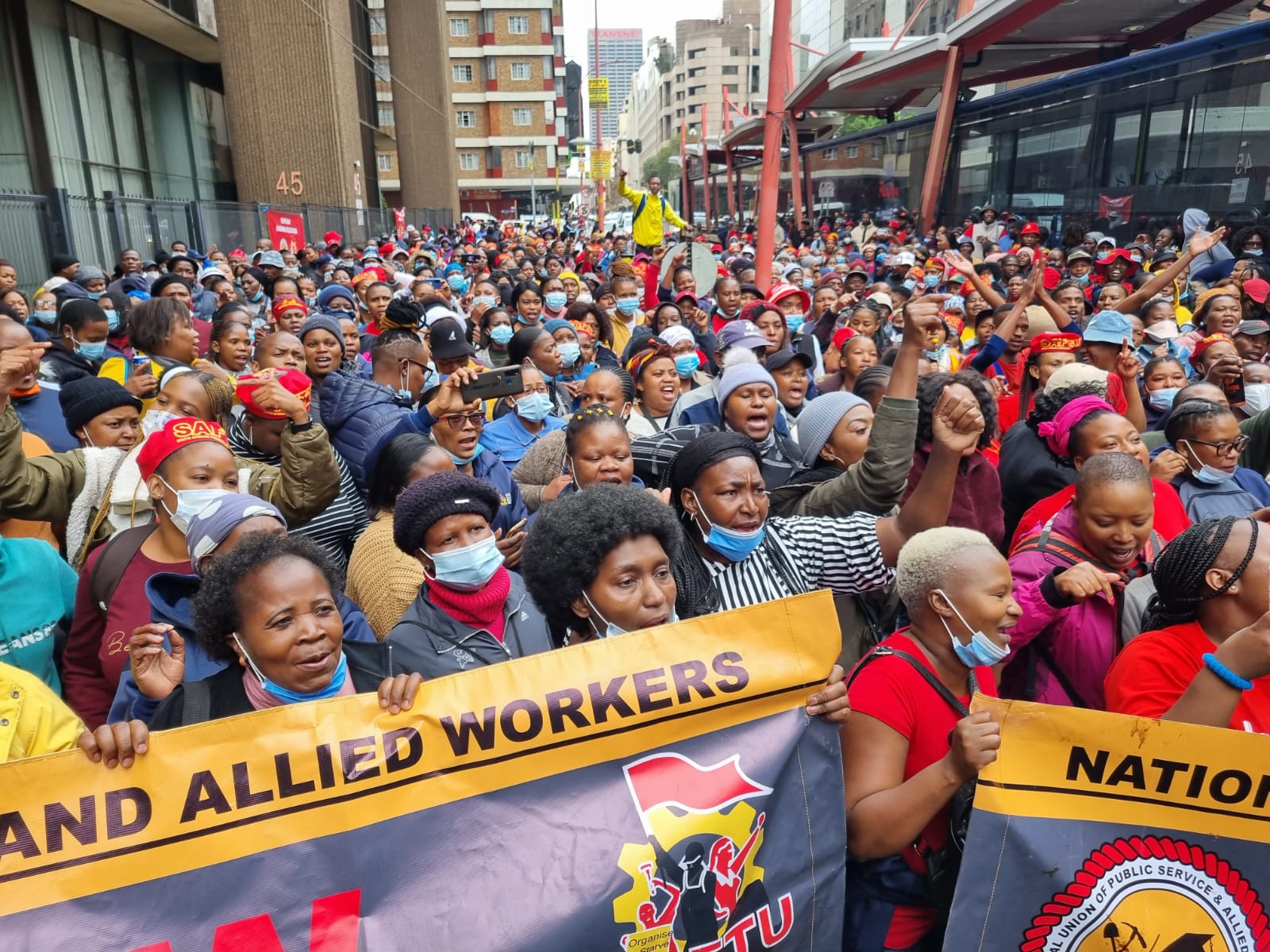
“South African public health professionals caution that escalating anti‑migrant protests tied to the June 30 “deadline” could cripple healthcare access, worsen disease outbreaks, and undermine constitutional rights. They urge healthcare workers to reject xenophobic pressures and ensure equitable treatment for all patients, regardless of documentation status.”
On June 30, 2026, South Africa faces a critical public health challenge as anti‑immigrant groups enforce an unlawful “deadline” demanding undocumented migrants leave the country. This campaign has sparked widespread fear, displacement, and violence, with foreign nationals fleeing cities like Durban and Johannesburg and healthcare workers warning of catastrophic consequences for the health system.
Public Health Risks
- Violence and intimidation: Migrants and refugees face direct harm, including physical attacks and forced evictions.
- Healthcare disruption: Fear of deportation deters migrants from seeking care, delaying treatment until illnesses become severe.
- Disease prevention breakdown: Exclusion undermines vaccination programs, HIV treatment, and tuberculosis control.
- Psychological trauma: Xenophobia contributes to stress, anxiety, and depression among migrant communities.
Expert Statements
- Over 400 doctors, professors, and healthcare workers signed a statement declaring xenophobia a “serious public health issue.”
- Professor Hassan Mahomed of Stellenbosch University emphasized that denying migrants healthcare breaches ethical and legal duties, warning that untreated illnesses will escalate costs and strain hospitals.
- Médecins Sans Frontières reports that undocumented migrants often avoid clinics, worsening conditions like HIV and tuberculosis.
Government Response
President Cyril Ramaphosa urged protesters to exercise their rights peacefully, stressing that intimidation and violence will not be tolerated. The South African Police Service (SAPS) deployed nationwide under “Operation June 30” to prevent disruption of schools, workplaces, and healthcare facilities.
Social Context
South Africa hosts 2.4 million international migrants (3.9% of the population), while 8.1 million South Africans migrate internally between provinces. Experts highlight that migrants contribute economically and culturally, and data shows they occupy less than 4% of formal jobs, contradicting claims that they overwhelm public services.
Ethical Appeal to Health Workers
Public health professionals issued an urgent nationwide appeal urging healthcare workers to:
- Reject xenophobic rhetoric.
- Provide care to all patients regardless of documentation.
- Uphold constitutional values of dignity and equality.
- Recognize that healthcare denial exacerbates crises rather than solving them.
Human Impact
Migrants displaced by protests are sleeping rough outside government offices, facing lack of shelter, clean water, and sanitation—conditions that heighten risks of infectious disease outbreaks. Landlords, fearing vandalism, have illegally evicted foreign tenants, leaving families homeless.
Conclusion
The June 30 deadline represents not only a political flashpoint but a public health emergency. Experts warn that scapegoating migrants diverts attention from systemic issues—corruption, unemployment, and inequality—while destabilizing healthcare delivery. Upholding constitutional rights and ensuring equitable healthcare access are essential to safeguarding South Africa’s public health system.



