




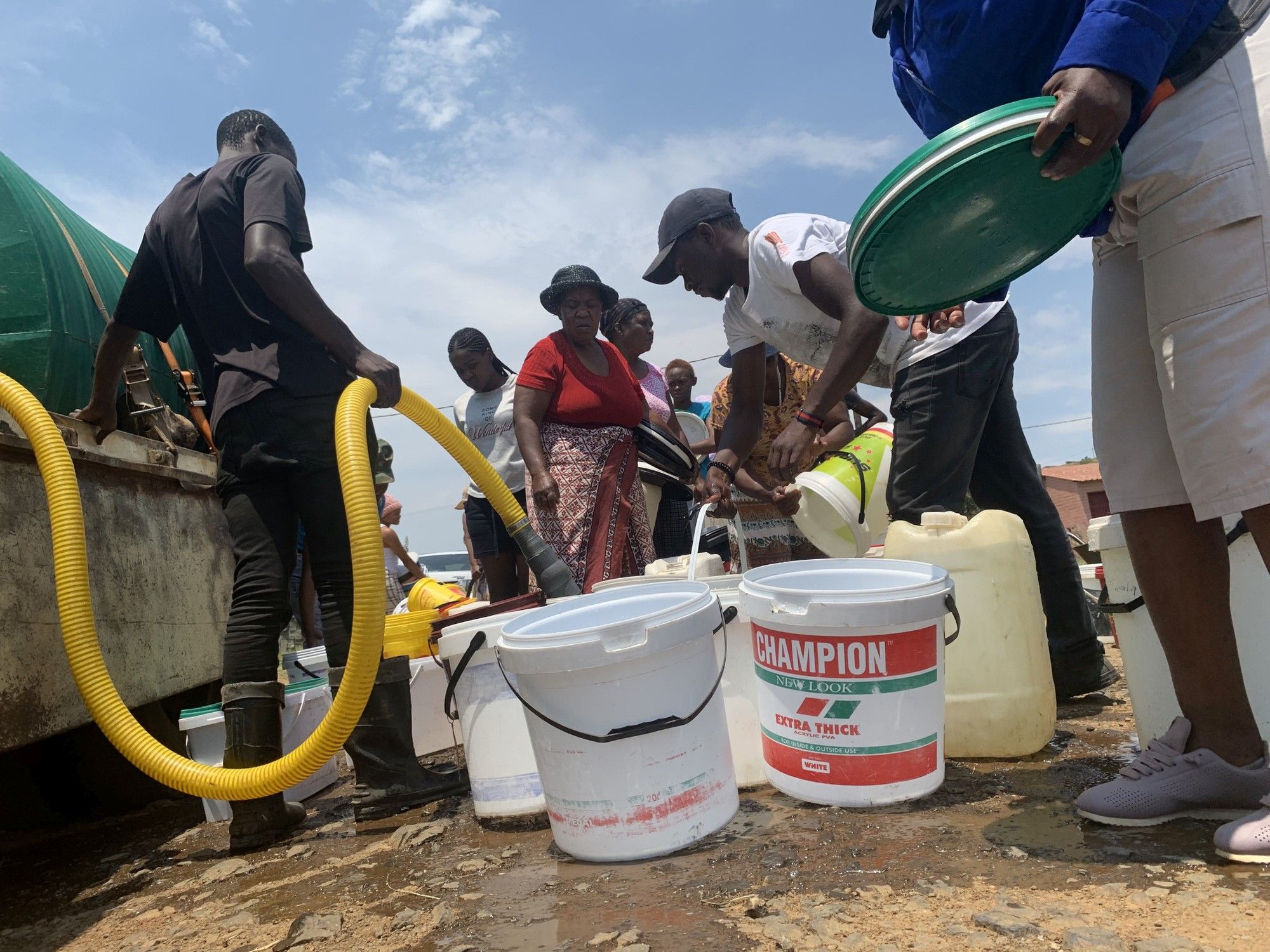
“A new pilot project in Benoni is testing low‑tech wastewater reuse solutions to ease South Africa’s mounting water crisis. If scaled nationally, the initiative could provide affordable, sustainable relief to communities struggling with droughts, pollution, and infrastructure failures.”
South Africa’s water crisis has reached a critical juncture. With climate change intensifying droughts, urban growth straining infrastructure, and pollution degrading rivers, the country faces mounting pressure to secure reliable water supplies. On 6 July 2026, a pilot project in Benoni, Gauteng, introduced wastewater reuse as a potential solution, sparking national debate on whether low‑tech recycling can safeguard the country’s future.
Background: South Africa’s Water Challenges
- Chronic droughts in provinces such as the Eastern Cape and Western Cape have left reservoirs at historically low levels.
- Urban demand continues to rise, with Gauteng’s population exceeding 16 million, placing immense stress on municipal systems.
- Pollution and mismanagement have worsened the crisis, with untreated sewage contaminating rivers and groundwater.
- The Department of Forestry, Fisheries and the Environment (DFFE) has repeatedly warned that South Africa is approaching “Day Zero” scenarios in multiple cities.
The Benoni Pilot Project
The Benoni initiative focuses on low‑tech wastewater recycling, using simple filtration and treatment methods to make greywater safe for non‑potable uses such as irrigation, industrial cooling, and sanitation. Unlike high‑cost desalination or advanced treatment plants, this project emphasizes affordability and scalability for municipalities with limited budgets.
Key features:
- Community‑based management: Local residents are trained to operate and maintain systems.
- Energy efficiency: Minimal reliance on electricity, reducing carbon footprint.
- Cost savings: Recycled water costs significantly less than importing or pumping fresh supplies.
National Significance
South Africa’s water crisis is not confined to Benoni. Cities like Cape Town, Durban, and Johannesburg have all faced severe shortages in recent years. If the Benoni pilot succeeds, it could serve as a blueprint for nationwide adoption, offering a decentralized model that empowers communities.
The DFFE has already signaled interest in expanding similar projects, aligning with its Circular Economy Action Plan unveiled earlier this month.
Expert Opinions
- Environmental scientists argue that wastewater reuse is one of the most sustainable interventions available, reducing reliance on dams and rivers.
- Economists highlight the potential for job creation in local water management.
- Critics, however, warn of risks if systems are poorly maintained, including contamination and public health hazards.
Community Impact
Residents in Benoni have welcomed the project, noting improvements in local sanitation and reduced water bills. Farmers in peri‑urban areas see opportunities to irrigate crops more reliably, while schools and clinics benefit from consistent water supplies.
Challenges Ahead
Despite optimism, several hurdles remain:
- Public perception: Many South Africans remain skeptical about using recycled wastewater.
- Regulation: National standards for wastewater reuse are still under development.
- Funding: Scaling projects nationwide will require significant investment.
Global Context
South Africa is not alone in exploring wastewater reuse. Countries such as Israel, Singapore, and Namibia have pioneered similar systems, demonstrating that recycled water can meet both industrial and domestic needs. South Africa’s challenge lies in adapting these models to its unique socio‑economic and infrastructural realities.
Conclusion
The Benoni wastewater reuse pilot represents a turning point in South Africa’s environmental management. By embracing low‑tech, community‑driven solutions, the country may chart a path toward resilience in the face of climate change and urban growth. While challenges remain, the project offers a glimmer of hope that South Africa can avert future water crises through innovation and collective action.



