




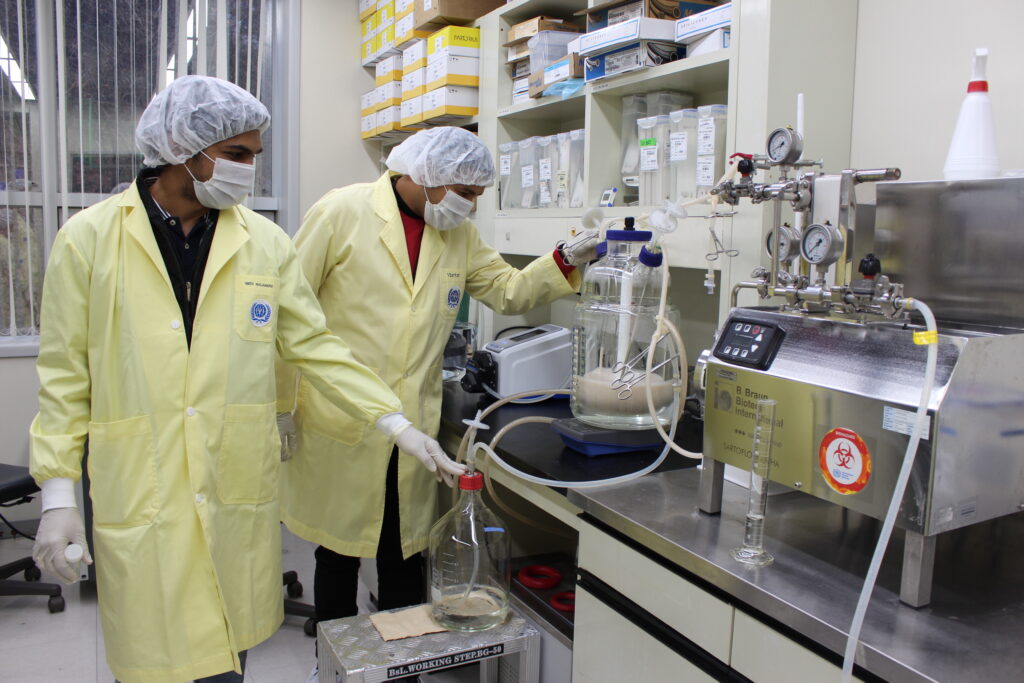
“Biovac has secured a $15 million loan from the African Development Bank to construct Africa’s first oral cholera vaccine facility and South Africa’s first inactivated polio vaccine plant. The project will expand vaccine production to 500 million doses annually by 2028, strengthening Africa’s health sovereignty and reducing reliance on imports.”
Africa’s reliance on imported vaccines has been a major public health challenge. During the COVID-19 pandemic, supply shortages highlighted the risks of depending on external suppliers. Countries across the continent struggled to secure doses, often receiving them months after wealthier nations. This inequity underscored the urgent need for local production capacity. Biovac’s new facility directly addresses this gap, offering a sustainable solution to ensure timely access to essential vaccines.
Facility Details and Production Goals
The Cape Town facility will initially focus on producing oral cholera vaccines, a critical intervention for regions prone to waterborne diseases. It will then expand to manufacture inactivated polio vaccines (IPV), pneumococcal conjugate vaccines (PCV), and meningitis vaccines (MenX). By 2028, Biovac aims to produce 500 million doses annually, a scale that will not only meet South Africa’s needs but also supply neighboring countries and broader African markets.
Strategic Partnerships
Biovac’s expansion is supported by technology-transfer agreements with global pharmaceutical leaders such as Sanofi, Biological E Limited, EuBiologics, and Bharat Biotech. These collaborations ensure that the facility meets international standards and accelerates Africa’s integration into global vaccine supply chains. By leveraging international expertise, Biovac can fast-track production while maintaining quality and safety benchmarks.
AfDB’s Vision for Health Sovereignty
According to AfDB Vice President Solomon Quaynor, the investment is about “building Africa’s health sovereignty, strengthening regional value chains, and creating industrial capabilities that will enable the continent to respond more effectively to future health emergencies.” This vision aligns with Africa’s broader ambition to transform from a consumer of imported vaccines into a producer of critical health solutions.
Integration with Global Health Initiatives
The project will connect directly with the World Health Organization’s Gavi African Vaccine Manufacturing Accelerator, a $1.2 billion mechanism designed to reward African manufacturers with milestone payments once they achieve WHO prequalification. This integration ensures that Biovac’s vaccines will not only serve South Africa but also reach broader African and global markets, enhancing Africa’s role in global health security.
Economic and Social Impact
Beyond health benefits, the facility is expected to generate hundreds of skilled jobs in biotechnology, engineering, and regulatory compliance. It will stimulate South Africa’s biotech ecosystem, encouraging innovation and investment in related fields such as biologics and diagnostics. The ripple effects will extend to education and training, as universities and research institutions align their programs to meet the growing demand for skilled professionals in biotechnology.
Challenges and Risks
While the project is promising, challenges remain. Regulatory hurdles, supply chain logistics, and the need for sustained funding could slow progress. Ensuring equitable distribution of vaccines across Africa will also require strong governance and regional cooperation. However, the AfDB’s involvement and Biovac’s track record suggest that these challenges can be managed effectively.
Conclusion
Biovac’s new multi-vaccine facility marks a historic milestone for South Africa and the African continent. By reducing reliance on imports and scaling local production, the project strengthens Africa’s health sovereignty and prepares the region for future health emergencies. With strategic partnerships, global integration, and significant economic benefits, this initiative is set to transform Africa’s biotechnology landscape and improve public health outcomes for millions.



