




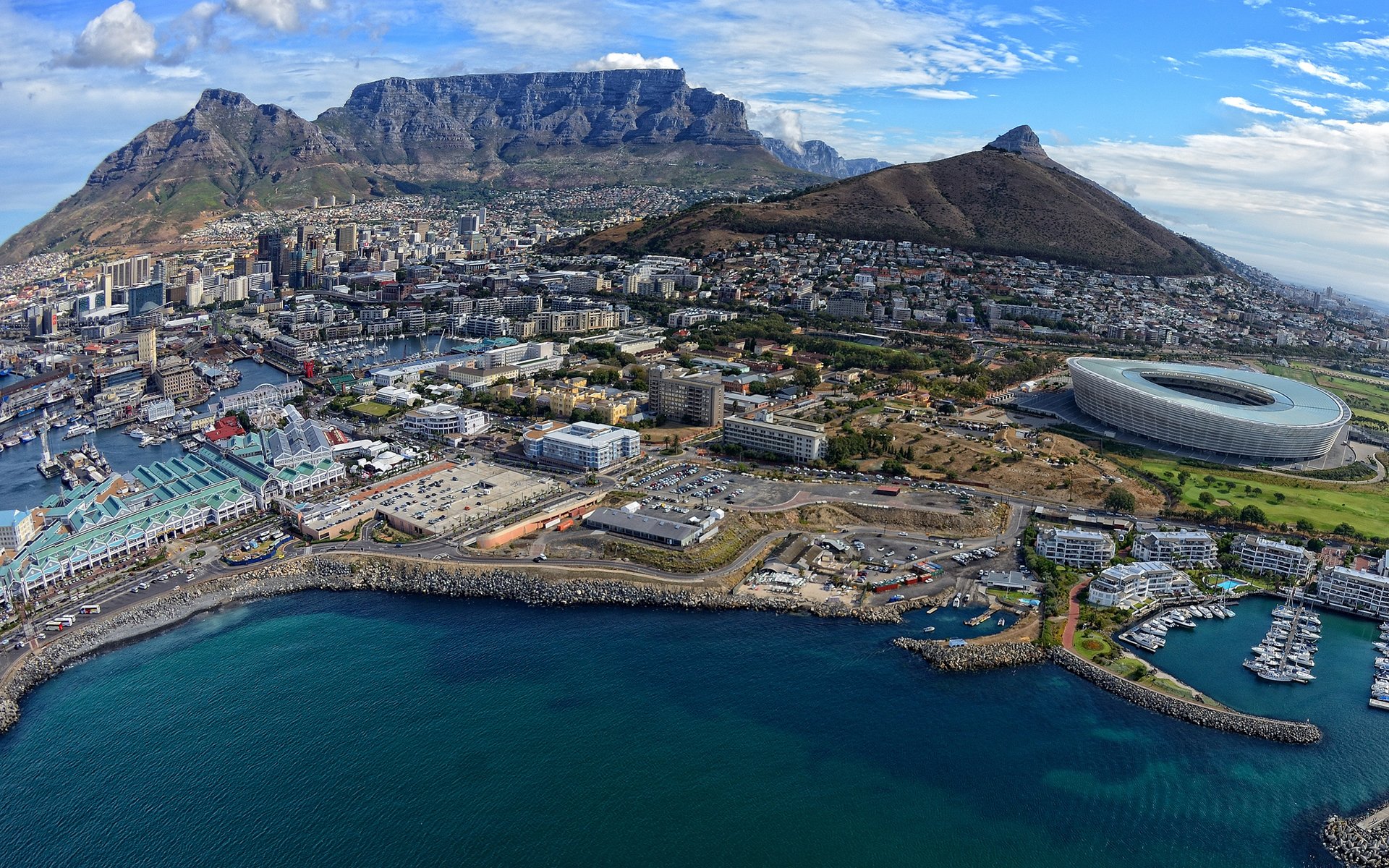
“Cape Town has been officially recognized as the world’s most beautiful city in a global survey published on June 30, 2026. The accolade highlights the city’s breathtaking landscapes, diverse cultural heritage, and growing reputation as a premier travel destination.”
Cape Town, South Africa’s jewel at the tip of the continent, has long been celebrated for its dramatic scenery, cultural richness, and cosmopolitan lifestyle. Today, June 30, 2026, the city achieved a new milestone: being named the World’s Most Beautiful City in a global survey that evaluated destinations across continents. This recognition is not only a point of pride for South Africans but also a powerful boost to the country’s travel and cultural industries.
The Survey and Its Global Impact
The survey, conducted by an international travel consortium, ranked cities based on natural beauty, cultural vibrancy, architectural uniqueness, and visitor experience. Cape Town outshone competitors such as Paris, Rio de Janeiro, and Sydney. The announcement has already sparked global media coverage, positioning Cape Town as a must-visit destination for 2026 and beyond.
Natural Beauty: Table Mountain and Beyond
At the heart of Cape Town’s allure is Table Mountain, one of the world’s most iconic natural landmarks. Rising majestically above the city, it offers panoramic views of the Atlantic Ocean, Robben Island, and the Cape Winelands. The surrounding landscapes — from the Cape Point cliffs to the white sands of Clifton and Camps Bay — provide a diversity of experiences unmatched by most urban destinations.
Cultural Heritage and Diversity
Cape Town’s recognition is not solely based on its scenery. The city is a cultural mosaic, shaped by centuries of indigenous traditions, colonial history, and modern innovation. The Bo-Kaap neighborhood, with its brightly painted houses and Cape Malay cuisine, reflects the city’s multicultural roots. Museums such as the District Six Museum and the Zeitz Museum of Contemporary Art Africa (MOCAA) showcase both historical struggles and contemporary creativity.
Tourism and Economic Implications
This accolade is expected to significantly boost South Africa’s tourism sector. According to the Department of Tourism, international arrivals to Cape Town have already been rising steadily, and this recognition could increase visitor numbers by 15–20% over the next year. Local businesses — from hotels and restaurants to tour operators — are preparing for a surge in demand. The city’s international airport, already a hub for African and global travel, is expected to expand services to accommodate increased traffic.
Lifestyle and Modern Appeal
Cape Town’s lifestyle offerings also contributed to its ranking. The city is home to a thriving food scene, with globally recognized restaurants such as La Colombe and FYN. Its wine industry, centered in Stellenbosch and Franschhoek, attracts connoisseurs from around the world. Festivals like the Cape Town International Jazz Festival and the Cape Town Carnival highlight the city’s dynamic cultural calendar.
Challenges and Sustainability
While the recognition is a cause for celebration, it also brings challenges. Cape Town has faced issues of water scarcity, urban inequality, and environmental sustainability. City officials emphasized that the accolade must be matched with responsible tourism practices. Initiatives such as eco-friendly accommodations, conservation programs, and community-based tourism are being expanded to ensure that growth benefits all residents.
Voices from the City
Local leaders and residents expressed pride in the recognition. Mayor Geordin Hill-Lewis stated, “Cape Town’s beauty lies not only in its landscapes but in its people and their resilience. This award is a testament to our city’s spirit.” Tour operators echoed the sentiment, noting that the accolade validates years of investment in infrastructure and cultural promotion.
Global Traveler Reactions
Travel bloggers and influencers have already begun sharing their excitement online. Many highlighted Cape Town’s unique combination of adventure and relaxation — from shark cage diving to wine tasting. The city’s reputation as a safe, accessible, and diverse destination is expected to resonate strongly with millennial and Gen Z travelers seeking authentic experiences.
Conclusion
Cape Town’s recognition as the World’s Most Beautiful City is more than a title; it is a cultural and economic milestone. It reinforces South Africa’s position on the global travel map and offers an opportunity to showcase the country’s heritage, creativity, and hospitality. As the world turns its gaze toward Cape Town, the city stands ready to welcome visitors with open arms and unforgettable experiences.



