




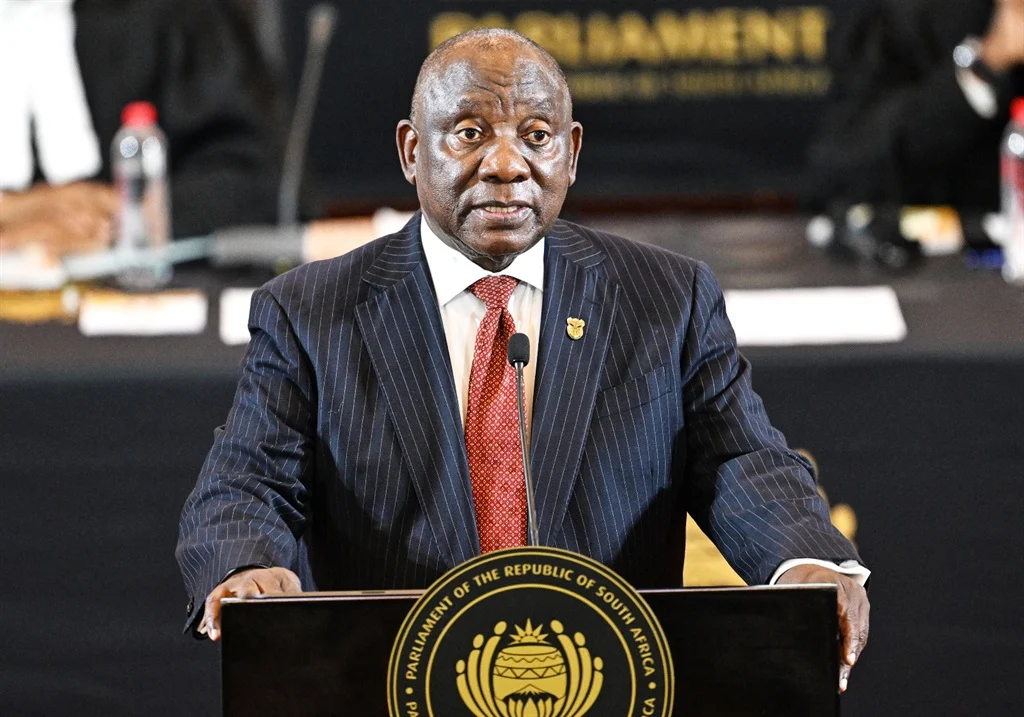
“President Cyril Ramaphosa is set to answer questions in the National Assembly this week, with municipal governance reforms and the Mkhwanazi Committee’s extended investigation dominating the agenda. Lawmakers will scrutinize measures to restore service delivery, strengthen accountability, and reaffirm South Africa’s credibility in international relations.”
South Africa enters a decisive parliamentary week as President Cyril Ramaphosa prepares to address the National Assembly on municipal governance and the findings of the Ad Hoc Committee investigating Lieutenant General Nhlanhla Mkhwanazi’s allegations. This session is expected to shape the trajectory of governance reforms, service delivery, and South Africa’s international standing.
Background
Municipal governance has long been a weak link in South Africa’s democratic framework. Persistent service delivery protests, corruption scandals, and fragile coalitions have eroded public trust. Against this backdrop, Ramaphosa’s address comes at a time when Parliament is under pressure to demonstrate accountability and reform.
The Mkhwanazi Committee, tasked with investigating allegations of misconduct and political interference, has had its reporting deadline extended to 11 September. This extension underscores the seriousness of the inquiry and Parliament’s determination to ensure thorough consideration of findings.
Key Issues on the Agenda
- Municipal Governance Reforms: Structural reforms aimed at enhancing municipal capacity, accountability, and service delivery.
- International Relations: South Africa’s credibility as a Pan-African voice, particularly amid protests against foreign nationals.
- Security and Justice Oversight: Parliamentary inquiries into Truth and Reconciliation reparations, overcrowding in correctional centres, and illegal mining.
- Committee Workload: Parliament has scheduled 37 committee meetings this week, covering issues from foot-and-mouth disease control to preparations for the 2026 FIFA World Cup.
Ramaphosa’s Expected Address
Ramaphosa is scheduled to respond to oral questions at 2pm on Tuesday. His remarks are expected to emphasize:
- The need for professionalized municipal leadership.
- Strengthening accountability mechanisms to prevent corruption.
- Reaffirming South Africa’s role in global diplomacy, especially regarding conflicts involving the US, Israel, and Iran.
- Addressing domestic challenges such as anti-immigration protests and illegal mining.
Broader Implications
The parliamentary focus on municipal governance reflects a recognition that local government is the frontline of democracy. Effective municipalities are essential for delivering water, electricity, housing, and sanitation. Failure in this sphere undermines national stability.
The Mkhwanazi Committee’s findings could have far-reaching consequences for the credibility of law enforcement and the justice system. Allegations of political interference in security structures strike at the heart of democratic accountability.
Public and Political Reactions
Civil society organizations have welcomed the parliamentary focus on governance, but skepticism remains about whether reforms will translate into tangible improvements. Opposition parties are expected to press Ramaphosa on corruption scandals and the slow pace of reform.
International observers will watch closely, particularly given South Africa’s role in African Union diplomacy and its position on global conflicts. Ramaphosa’s ability to balance domestic reforms with international credibility will be tested.
Conclusion
This week’s parliamentary proceedings represent a critical juncture for South Africa. Ramaphosa’s address on municipal governance and the Mkhwanazi Committee’s findings will not only shape immediate policy debates but also signal the government’s commitment to accountability and reform. As Parliament transitions into its constituency period at the end of August, the outcomes of this week will resonate across the political landscape.



