




“South Africa’s Department of Health has announced a comprehensive Ebola preparedness strategy, designating 36 hospitals and training thousands of healthcare workers to manage potential cases. With outbreaks ongoing in the Democratic Republic of Congo and Uganda, officials warn it may only be a matter of time before South Africa records its first Ebola case.”
South Africa’s public health system is once again under the spotlight as the Department of Health intensifies its Ebola preparedness measures. With outbreaks continuing in the Democratic Republic of Congo (DRC) and Uganda, experts caution that South Africa cannot afford complacency. Deputy Director-General Dr. Anban Pillay has emphasized that while the country’s Ebola risk remains low, the possibility of imported cases is real, necessitating robust emergency structures.
Regional Context
The Bundibugyo strain of Ebola currently circulating in the DRC and Uganda has heightened regional concern. Unlike previous strains, this variant has no available vaccine, complicating containment efforts. The porous borders and high mobility of populations across Southern and East Africa increase the likelihood of cross-border transmission. South Africa, as a regional hub with significant international travel, faces elevated exposure risks.
Government Response
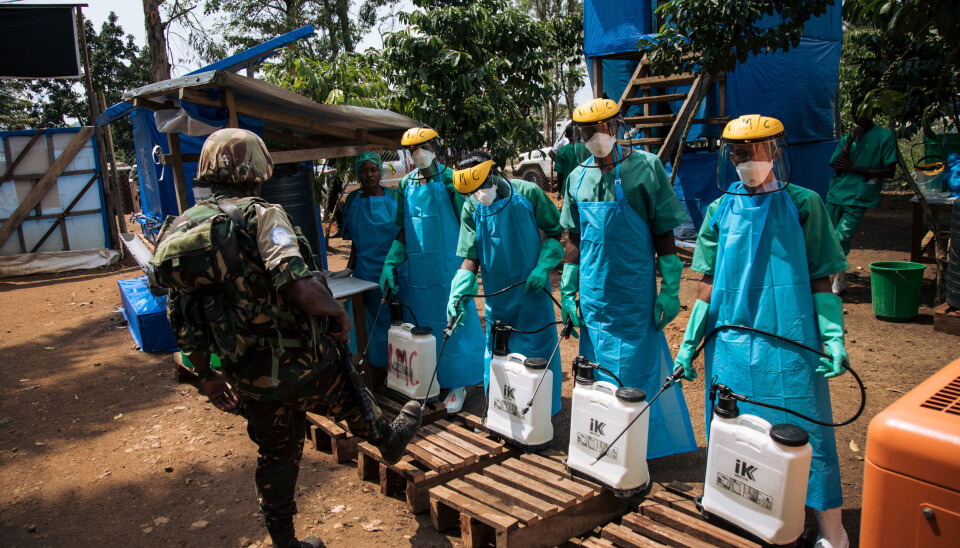
Health Minister Aaron Motsoaledi announced that 36 hospitals nationwide have been designated as Ebola treatment centers. These facilities are equipped with specialized infectious disease units, advanced protective equipment, and trained staff. Thousands of healthcare workers have undergone specialized training in infection control, patient isolation, and safe handling of suspected Ebola cases. Simulation exercises have been conducted to test readiness at border posts and airports.
Screening at Ports of Entry
South Africa has heightened screening protocols at international airports and land borders. Measures include:
- Temperature checks for passengers arriving from high-risk regions.
- Electronic passenger reports reviewed before flights land.
- Targeted screening for travelers from DRC and Uganda.
These steps aim to detect potential cases early and prevent community transmission.
Healthcare Worker Preparedness
Training programs have focused on equipping doctors, nurses, and support staff with the skills to manage Ebola patients safely. Emphasis has been placed on:
- Proper use of personal protective equipment (PPE).
- Safe isolation procedures.
- Handling of contaminated materials.
- Psychological support for frontline workers.
Dr. Pillay stressed that South Africa’s infectious disease specialists have prior experience managing outbreaks, including COVID-19 and lassa fever, which strengthens confidence in their ability to respond effectively.
Public Health Communication
The Department of Health has launched awareness campaigns to educate the public about Ebola symptoms and prevention. Key messages include:
- Recognizing early symptoms such as fever, weakness, and bleeding.
- Reporting suspected cases immediately.
- Avoiding contact with bodily fluids of infected individuals.
Community engagement is seen as critical to ensuring rapid response and minimizing panic.
Challenges Ahead
Despite these measures, challenges remain:
- No vaccine for the Bundibugyo strain.
- Resource constraints in rural hospitals.
- Potential stigma against suspected patients.
- Cross-border mobility that complicates containment.
Experts argue that regional cooperation is essential, with South Africa working closely with neighboring countries to monitor and respond to outbreaks.
International Support
Global health organizations are investing heavily in Ebola vaccine development, with R1 billion allocated to accelerate research. South Africa is expected to benefit from these efforts once a vaccine becomes available. In the meantime, reliance on non-pharmaceutical interventions remains the cornerstone of preparedness.
Conclusion
South Africa’s Ebola preparedness plan reflects a proactive approach to public health threats. By designating hospitals, training healthcare workers, and strengthening border screening, the government aims to mitigate risks before they escalate. While the country has not yet recorded a case, officials warn that vigilance is essential. The coming months will test whether these measures are sufficient to protect South Africa from one of the world’s deadliest viruses.



