




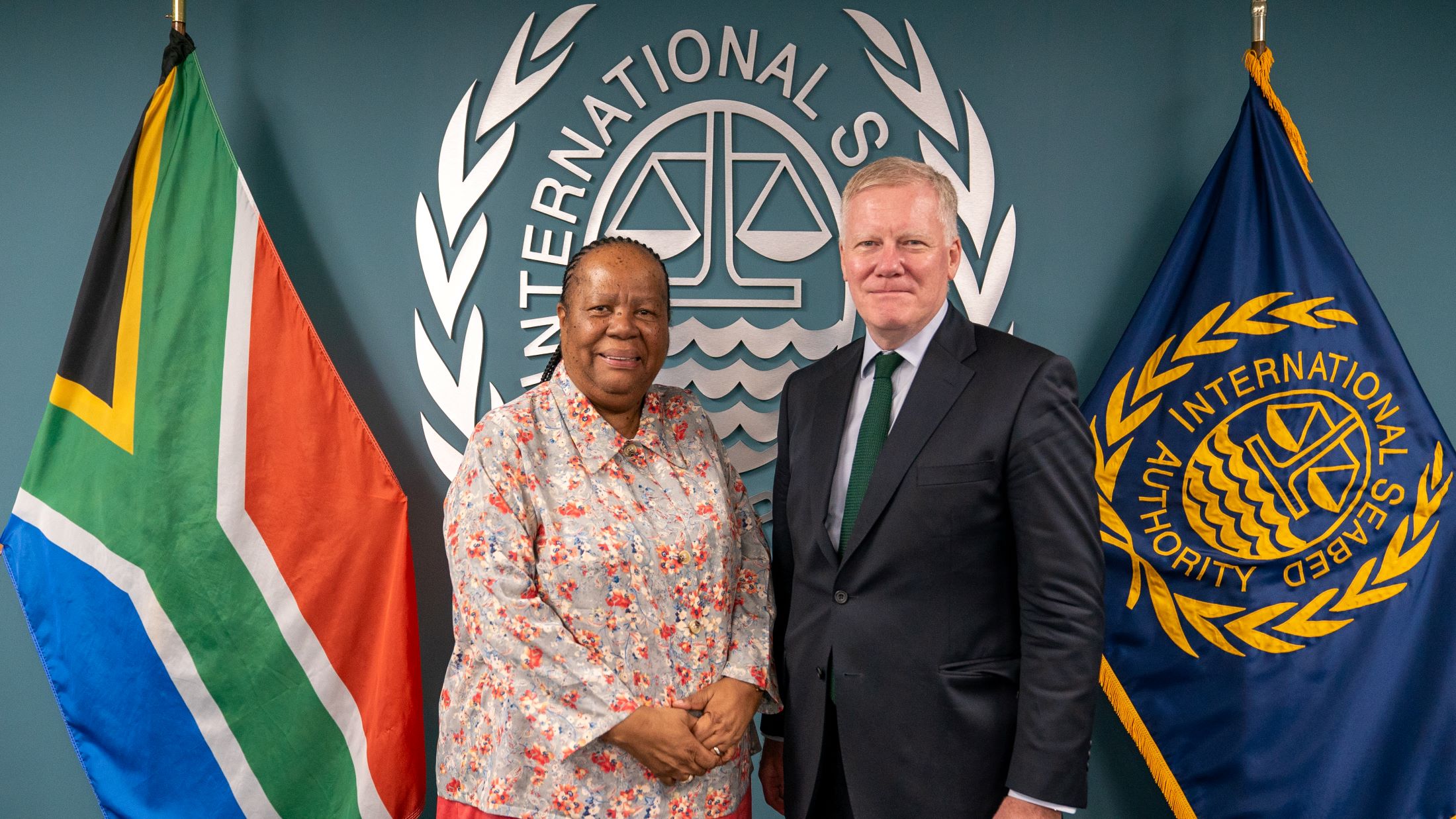
“South Africa has assumed the chairmanship of the 16-member SADC bloc, with President Cyril Ramaphosa emphasizing migration, youth unemployment, and economic transformation as key priorities. The summit highlights South Africa’s role in shaping regional integration while addressing tensions over undocumented migration and calls for sustainable development.”
The Southern African Development Community (SADC) convened its 46th Ordinary Summit in Durban, South Africa, where President Cyril Ramaphosa formally assumed the chairmanship of the regional bloc. This transition comes at a critical juncture for Southern Africa, as migration pressures, youth unemployment, and economic stagnation continue to challenge regional stability. Ramaphosa’s leadership is expected to steer SADC toward deeper integration, sustainable industrialization, and stronger collective security.
Migration at the Forefront
Migration emerged as the most pressing issue at the summit. Ramaphosa underscored that migration cannot be managed through enforcement alone, but requires addressing root causes such as poverty, conflict, and lack of opportunity. He warned against xenophobia, noting that discrimination against foreign nationals undermines regional unity. South Africa’s push for ratification of the Protocol on the Facilitation of Movement of Persons reflects its commitment to lawful, structured migration.
Security and Regional Stability
The SADC Organ Troika on Politics, Defence, and Security Cooperation remains central to peace efforts. Ramaphosa emphasized that without stability, economic transformation cannot succeed. The summit reaffirmed SADC’s role in conflict resolution, particularly in regions facing insurgencies and political unrest.
Economic Transformation and Industrialization
South Africa’s chairmanship theme—“Resilient, sustainable and inclusive industrialisation through Infrastructure Development, Agricultural and Critical Minerals Transformation in Pursuit of a Just World”—places industrialization at the heart of regional development. Minister Ronald Lamola highlighted the need to capture more value from critical minerals like cobalt and graphite through local beneficiation rather than raw exports.
Youth Unemployment and Human Capital
With nearly 60% of Africa’s population under 25, youth unemployment is a ticking time bomb. Ramaphosa and Lamola called for investment in education, skills development, and entrepreneurship to harness Africa’s demographic dividend. SADC leaders agreed that job creation must be integrated into industrialization strategies.
Regional Integration and Trade
South Africa aims to increase intra-SADC trade from 20% to 50%. This requires modernizing infrastructure—ports, transport corridors, energy systems, and digital networks—to facilitate cross-border commerce. Greater regional trade will reduce dependence on external markets and strengthen resilience against global shocks.
Global Diplomacy and UN Engagement
The summit also celebrated Zimbabwe’s election as a non-permanent member of the UN Security Council for 2027–2028, a development seen as an opportunity to amplify Southern Africa’s voice in global diplomacy. Ramaphosa pledged South Africa’s support in ensuring the region’s interests are represented internationally.
Challenges Ahead
Despite optimism, challenges remain. Migration tensions in South Africa continue to fuel anti-immigration sentiment. Economic inequality persists across the region, and infrastructure gaps hinder trade. The success of South Africa’s chairmanship will depend on its ability to translate summit commitments into tangible outcomes.
Conclusion
South Africa’s assumption of the SADC chairmanship signals a renewed drive for regional integration, economic transformation, and collective security. Ramaphosa’s emphasis on migration, youth empowerment, and industrialization reflects both domestic pressures and regional aspirations. Over the next year, South Africa’s leadership will be tested as it seeks to balance national interests with regional solidarity, shaping the future of Southern Africa’s international relations.



