




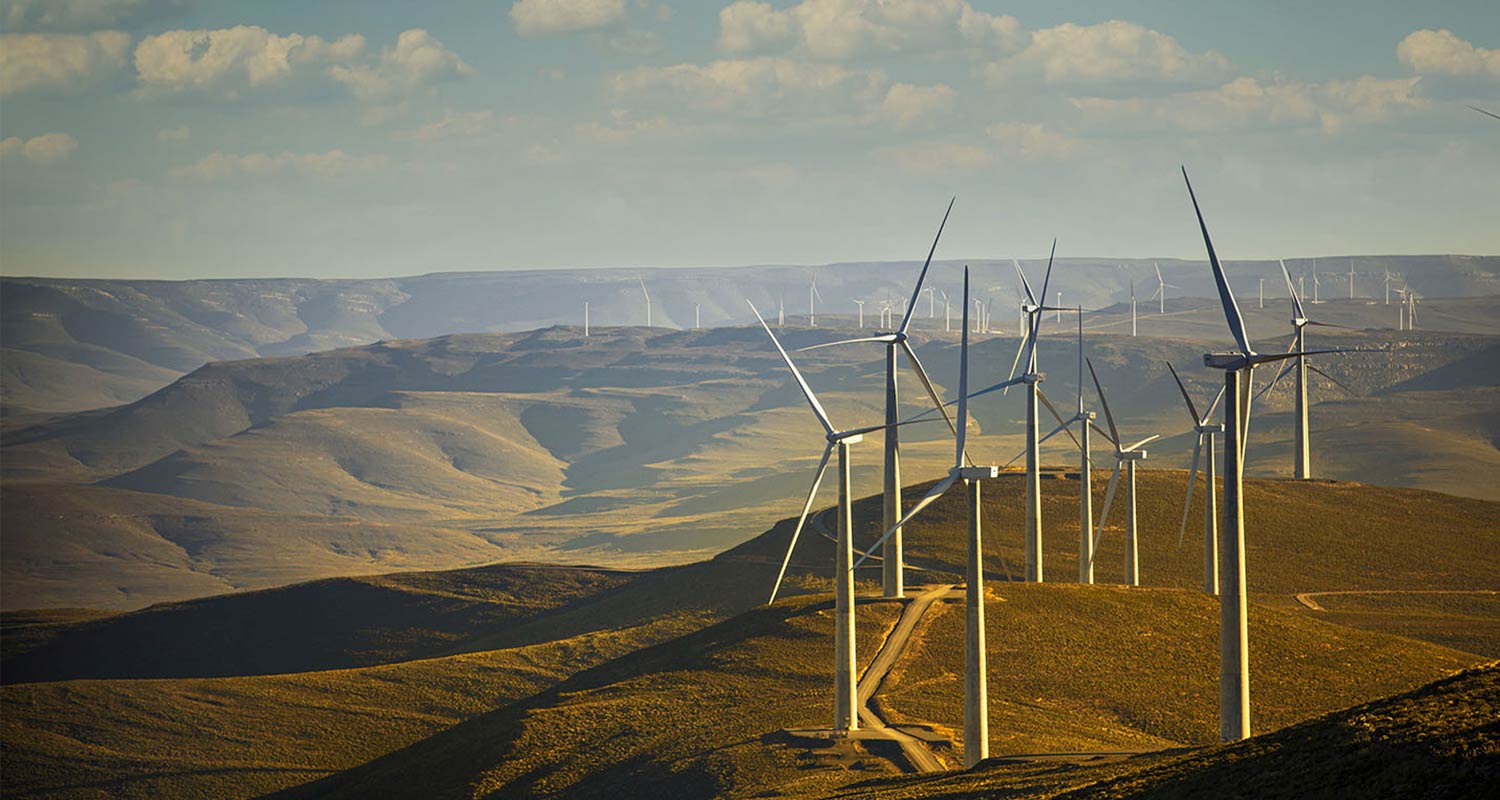
“Electricity Minister Kgosientsho Ramokgopa announced at the Manufacturing Indaba that South Africa will expand its installed generation capacity from 51 GW to 156 GW, with renewables forming the bulk of new supply. The plan includes building 14,500 km of transmission lines over the next decade, costing R430 billion, to support industrial growth and end load-shedding.”
South Africa’s energy sector is entering a transformative era. After years of crippling load-shedding and stagnation, the government has unveiled an ambitious plan to more than double electricity generation capacity, signaling a pivot toward industrial revitalization and sustainable growth. At the 13th Manufacturing Indaba in Johannesburg, Electricity Minister Kgosientsho Ramokgopa outlined the Integrated Resource Plan (IRP) 2025, which envisions adding 105 GW of new capacity by 2039, with renewable energy at its core.
Current Energy Landscape
South Africa’s installed generation capacity currently stands at 51 GW, dominated by coal-fired power stations. This reliance has contributed to environmental degradation and left the grid vulnerable to breakdowns. Load-shedding has eroded investor confidence, reduced manufacturing’s GDP contribution from 22% in 1994 to just 12% today, and strained households and businesses alike.
Expansion Plans
The government’s plan is unprecedented in scale:
- 105 GW new capacity by 2039.
- 67 GW renewable energy (wind and solar).
- Additional contributions from nuclear and other sources.
- 14,500 km of transmission lines to be built over the next decade.
- R430 billion investment in grid infrastructure.
This expansion will require 520,000 tons of steel and fabricated steel, creating demand for domestic industries producing transformers, cables, batteries, and towers.
Economic Implications
Ramokgopa emphasized that the energy build-out is not just about electricity—it is about reindustrializing South Africa. The infrastructure program will stimulate local manufacturing, create jobs, and attract private capital. By ensuring reliable power, the plan aims to restore competitiveness in mining, agriculture, and manufacturing sectors.
Renewable Energy Focus
The pivot toward renewables is central. Wind and solar will dominate new capacity, aligning South Africa with global decarbonization trends. Nuclear energy will provide stability, while battery storage and smart grids will enhance reliability. This diversification reduces dependence on coal, cutting emissions and improving environmental sustainability.
Transmission Development Plan
The Transmission Development Plan (TDP) is critical. Without expanded transmission, renewable projects cannot connect to the grid. The R430 billion investment covers pylons, transformers, and cables, ensuring that new generation capacity reaches consumers. This infrastructure will also open opportunities for regional energy trade, positioning South Africa as a hub in the Southern African Power Pool.
Overcoming Past Challenges
Load-shedding has been South Africa’s Achilles heel. Ramokgopa declared that the country has moved “beyond the load-shedding crisis” and is entering an “era of growth.” This optimism reflects recent stabilization efforts, including improved Eskom maintenance and private sector participation in renewable projects.
Risks and Concerns
Despite optimism, challenges remain:
- Financing: R430 billion is a massive investment requiring private capital.
- Execution capacity: South Africa has struggled with project delays and corruption.
- Tariff pressures: Consumers already face steep electricity hikes, with NERSA approving a 9.01% average increase for municipal customers from July 2026.
- Regulatory predictability: Past disputes over Eskom’s asset base highlight governance risks.
Global Context
South Africa’s energy transition mirrors global trends. Countries are racing to expand renewables, modernize grids, and reduce carbon footprints. By committing to 67 GW of renewables, South Africa positions itself as a leader in Africa’s green energy revolution.
Conclusion
The announcement marks a turning point. If executed effectively, South Africa’s plan to more than double electricity generation capacity could end decades of energy insecurity, reindustrialize the economy, and place the country at the forefront of renewable energy adoption. The stakes are high, but the potential rewards—economic growth, job creation, and sustainability—are transformative.



