




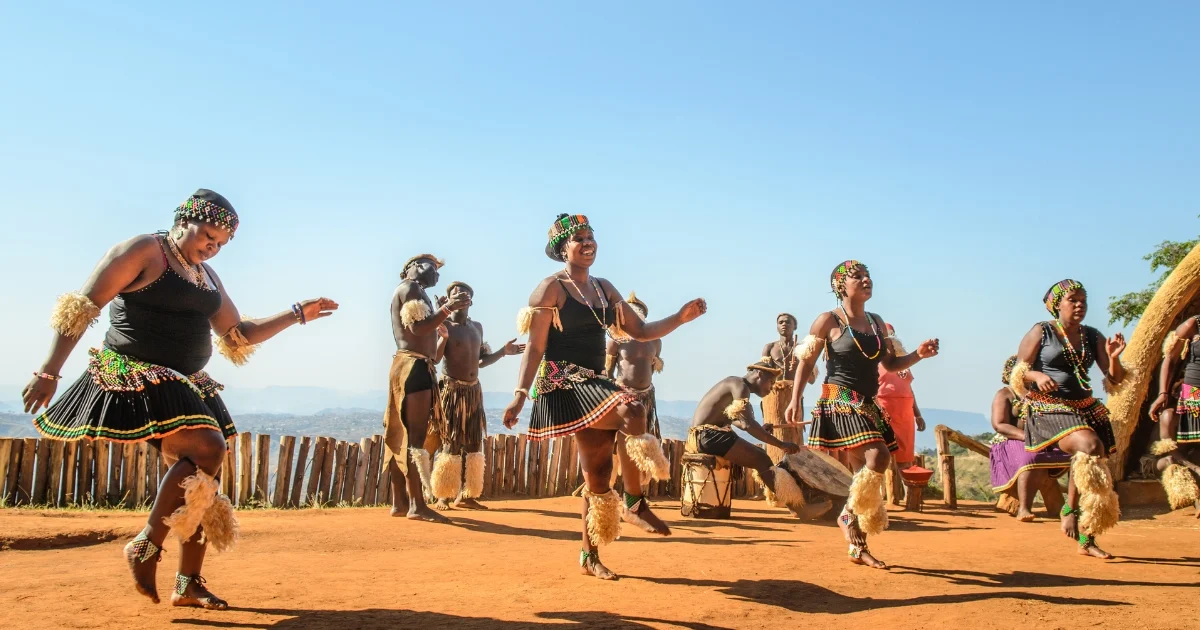
“The newly published South Africa Travel Guide 2026 emphasizes the country’s rich cultural heritage, from multilingual communities and historic sites like Robben Island to vibrant food and wine traditions. It positions South Africa as a destination where travelers can experience both world-class natural wonders and authentic cultural immersion.”
South Africa has long been celebrated as the “Rainbow Nation,” a term coined by Archbishop Desmond Tutu to describe its extraordinary diversity of cultures, languages, and traditions. With the release of the South Africa Travel Guide 2026, the country is once again spotlighted as a premier destination for travelers seeking not only breathtaking landscapes and wildlife but also meaningful cultural experiences. This guide, compiled from official tourism boards and UNESCO sources, offers a comprehensive look at how South Africa’s cultural richness is woven into its travel offerings.
Cultural Diversity
- Languages: South Africa recognizes 12 official languages, including isiZulu, isiXhosa, Afrikaans, English, and South African Sign Language. This linguistic variety reflects the country’s layered identity and offers travelers a chance to engage with multiple cultural traditions.
- Heritage: The peaceful transition from apartheid in 1994 remains central to South Africa’s cultural narrative. Sites like Robben Island, where Nelson Mandela was imprisoned, serve as powerful reminders of resilience and reconciliation.
Key Cultural Travel Experiences
- Cape Town & Table Mountain: A UNESCO World Heritage site within city limits, blending natural beauty with cultural history.
- Stellenbosch Wine Route: Home to centuries-old Cape Dutch wineries, offering tastings of world-renowned Chenin Blancs and Pinotages.
- Durban’s Indian Ocean Coast: A hub of Zulu culture and Indian culinary traditions, showcasing South Africa’s multicultural fabric.
- Johannesburg & Soweto: The beating heart of South Africa’s political and cultural history, with museums and memorials dedicated to the struggle against apartheid.
Seasonal Highlights
- Winter (June–August): Whale watching in Hermanus and safaris in Kruger National Park.
- Spring (September–October): Wildflower blooms in Namaqualand, a cultural celebration of nature’s renewal.
- Summer (November–March): Surfing at Muizenberg and vibrant festivals in Cape Town.
- Autumn (April–May): Hiking the Drakensberg and exploring the Garden Route’s cultural towns.
Food & Culinary Culture
South Africa’s cuisine reflects its diverse heritage:
- Cape Malay curries in Cape Town.
- Braai (barbecue) traditions across the country.
- Indian-inspired bunny chow in Durban.
- Wine and cheese pairings in Stellenbosch.
Infrastructure & Accessibility
The guide emphasizes South Africa’s strong tourism infrastructure:
- Airports: Cape Town International and Johannesburg OR Tambo serve as gateways.
- Transport: Gautrain rapid rail and car hire options make cultural sites accessible.
- Affordability: Mid-range guided travel costs USD 150–300 per person/day, making South Africa competitive compared to Europe or the US.
Risks & Considerations
- Load-shedding: Rolling blackouts remain a reality, though most hotels and restaurants use generators.
- Safety: Travelers are advised to use reputable operators for adventure activities.
- Conservation: Eco-conscious safaris and cultural tours support local communities and wildlife preservation.
Conclusion
The South Africa Travel Guide 2026 underscores that cultural travel in South Africa is not a side attraction but a central pillar of the nation’s tourism identity. From Robben Island’s historical gravity to Stellenbosch’s wine heritage and Durban’s multicultural vibrancy, South Africa offers travelers a chance to experience culture in every corner of the country. For those planning their next journey, this guide makes clear: South Africa is not just a destination—it is a cultural odyssey.



