




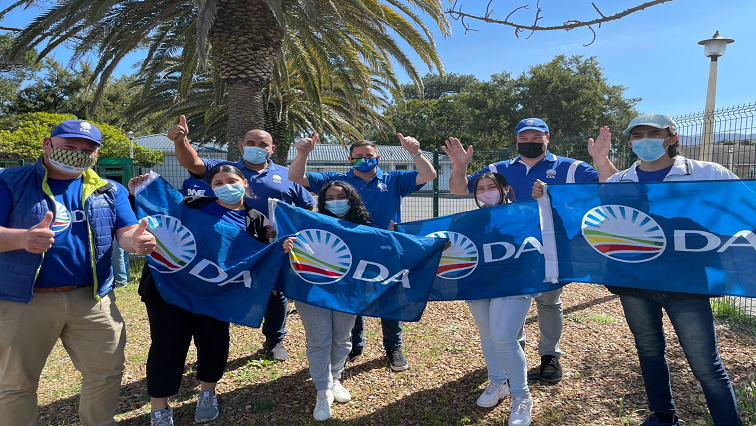
“The latest Social Research Foundation poll reveals ANC support has dropped to 37%, while the DA has risen to 30%, narrowing the gap to just seven points. This reflects mounting public frustration over corruption scandals, collapsing infrastructure, and economic stagnation, positioning the November 2026 elections as a historic turning point.”
South Africa is entering one of the most defining moments in its democratic journey since 1994. With the November 2026 elections looming, the ruling African National Congress (ANC) faces its most serious challenge yet, as new polling data reveals a sharp decline in its support base. The Democratic Alliance (DA), once dismissed as a regional party, has gained significant traction, narrowing the gap to just seven percentage points. This shift in public opinion underscores the growing disillusionment among citizens, driven by corruption scandals, collapsing infrastructure, and economic stagnation.
Historical Context
For decades, the ANC commanded comfortable majorities, buoyed by its liberation legacy and association with Nelson Mandela’s presidency. However, cracks began to show in the late 2010s, with scandals such as state capture, Eskom mismanagement, and the Phala Phala controversy eroding public trust. By 2019, coalition politics became increasingly common at the municipal level, and by 2024, the Government of National Unity (GNU) was formed to stabilize governance. Yet skepticism about its effectiveness remains high.
Current Polling Data
- ANC support: 37%
- DA support: 30%
- Gap: 7 points
This narrowing margin is historic. The DA has successfully positioned itself as a credible national alternative, with its campaign strategy emphasizing job creation, reliable service delivery, and anti-corruption measures. These promises resonate strongly with urban voters in Gauteng, Johannesburg, and Tshwane.
Public Opinion Drivers
- Corruption Concerns: The ANC’s handling of scandals has deeply undermined confidence.
- Service Delivery Failures: Cities face collapsing infrastructure, unreliable electricity, and water shortages.
- Economic Stagnation: Unemployment remains above 33%, with inequality entrenched.
- Immigration & GNU Skepticism: Divisions over immigration and doubts about coalition governance fuel discontent.
DA’s Rising Momentum
The DA’s manifesto focuses on pragmatic governance. By targeting Gauteng, where polling places it ahead of the ANC, the party is capitalizing on urban frustration. Its promises of efficient service delivery, anti-corruption reforms, and economic revival resonate with middle-class voters and disillusioned ANC supporters. The DA’s ability to present itself as a viable alternative marks a turning point in South African politics.
Implications for the November 2026 Elections
The upcoming elections are shaping up to be the most competitive in decades. If the ANC fails to regain momentum, South Africa could witness a historic realignment of power. Coalition politics may become the norm, with the DA and other opposition parties playing a more significant role in governance. This could usher in a new era of accountability and reform, but it also raises questions about stability and the ability of diverse parties to work together effectively.
Public Sentiment and Trust
Beyond party politics, the broader public sentiment reflects deep frustration. Citizens are weary of broken promises and failed governance. The Ipsos survey earlier this month revealed that 80% of South Africans believe the nation is heading in the wrong direction, highlighting the fragility of the GNU coalition and the urgent need for leadership that can inspire trust.
Conclusion
South Africa stands at a crossroads. The decline in ANC support and the rise of the DA signal a potential transformation in the country’s political landscape. Whether this shift leads to meaningful reform or further instability will depend on the choices made by voters in November 2026. One thing is clear: public opinion has become the decisive force shaping the future of South African democracy.



