




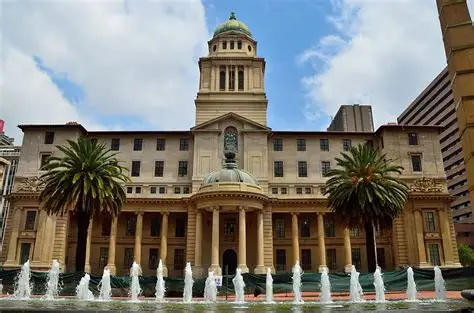
“South Africa’s National Treasury has refused to unblock equitable share transfers to several municipalities, including Johannesburg, citing inadequate financial recovery plans. The decision intensifies fears of service delivery collapse, infrastructure deterioration, and political fallout in the country’s economic hub.”
South Africa’s municipal finance crisis has reached a critical juncture. On July 15, 2026, Finance Minister Enoch Godongwana confirmed that while some municipalities had regained access to equitable share transfers, Johannesburg and several others remain blocked. This decision underscores the Treasury’s insistence on coherent turnaround plans before releasing funds, a policy stance that has far-reaching implications for governance, service delivery, and political stability.
Background: Equitable Share Transfers
Equitable share transfers are constitutionally mandated allocations from the national government to municipalities, designed to ensure basic service delivery. When municipalities fail to meet financial management standards, Treasury can withhold these funds. The current freeze affects municipalities already struggling with debt, poor revenue collection, and governance failures.
Johannesburg’s Precarious Position
Johannesburg, South Africa’s largest metro, is at the epicenter of the crisis:
- Cash reserves: Less than two weeks of liquidity remain.
- Debt obligations: Billions owed to Eskom and other creditors.
- Service delivery risks: Water, electricity, and sanitation services face imminent disruption.
The Treasury’s refusal to unblock funds without a credible recovery plan places Johannesburg on the brink of collapse.
Policy Rationale
Treasury’s stance reflects a broader policy shift toward fiscal discipline:
- Accountability: Municipalities must demonstrate turnaround strategies.
- Risk management: Preventing further misuse of national transfers.
- Long-term sustainability: Encouraging municipalities to strengthen revenue collection and governance.
This policy is controversial, as critics argue it punishes residents for failures of political leadership.
Political Fallout
The funding freeze has immediate political consequences:
- ANC divisions: Internal debates over mayoral candidates in Johannesburg highlight factional tensions.
- Opposition pressure: Parties like the DA and ActionSA accuse the ANC of mismanagement.
- Coalition instability: Smaller parties threaten to withdraw support if service delivery collapses.
The crisis is likely to shape the November 2026 municipal elections, with Johannesburg’s governance becoming a central campaign issue.
Economic Impact
Businesses operating in affected municipalities face material risks:
- Payment delays: Suppliers to municipalities may not be paid on time.
- Infrastructure deterioration: Roads, electricity grids, and water systems risk collapse.
- Investor confidence: Johannesburg’s instability undermines South Africa’s broader investment climate.
The manufacturing and mining sectors, already under pressure from global commodity volatility, could face compounded challenges if municipal infrastructure fails.
Governance Challenges
The crisis exposes systemic governance weaknesses:
- Revenue collection failures: Many municipalities cannot collect rates effectively.
- Corruption and mismanagement: Auditor-General reports highlight widespread irregularities.
- Capacity deficits: Municipalities lack skilled personnel to implement recovery plans.
Treasury’s policy aims to force structural reforms, but implementation remains uncertain.
Public Reaction
Residents in Johannesburg and other affected municipalities express growing frustration:
- Service delivery protests: Communities demand water, electricity, and sanitation.
- Civil society pressure: NGOs call for urgent intervention to prevent humanitarian crises.
- Media scrutiny: Coverage highlights the human cost of policy decisions.
Public anger could escalate into widespread unrest if the funding freeze continues.
Comparative Perspective
South Africa’s municipal funding crisis mirrors challenges in other developing economies:
- Nigeria: Local governments struggle with revenue collection and corruption.
- Kenya: County governments face similar funding disputes with the national treasury.
- Brazil: Municipal debt crises have triggered federal interventions.
South Africa’s case is unique due to the scale of Johannesburg’s economic importance.
Possible Solutions
Experts propose several policy options:
- Conditional transfers: Release funds tied to specific recovery milestones.
- Debt restructuring: Negotiate repayment plans with Eskom and creditors.
- Capacity building: Invest in municipal financial management skills.
- Political accountability: Hold leaders responsible for mismanagement.
Treasury’s current stance suggests conditional transfers may be the most likely path forward.
Conclusion
The municipal funding freeze represents a watershed moment in South Africa’s governance landscape. Johannesburg’s precarious position highlights the urgency of credible recovery plans, while Treasury’s insistence on fiscal discipline signals a shift toward accountability. The coming weeks will determine whether municipalities can meet Treasury’s requirements—or whether South Africa’s largest metro faces a full-scale governance and service delivery collapse.



