




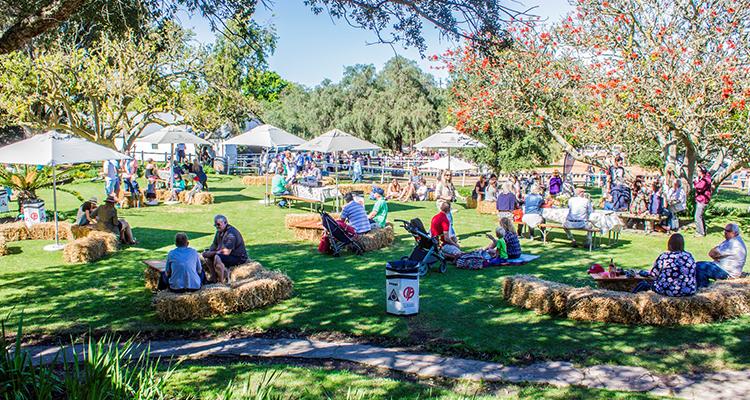
“Stellenbosch is strengthening its position as a food, culture and lifestyle destination by partnering with the South Africa BBQ Festival, taking place on 10 October 2026 at Sandringham Farm. The event brings more than 40 South African and international pitmasters, live-fire cooking, music, family activities and culinary industry opportunities together, giving visitors another reason to explore the Cape Winelands destination.”
Stellenbosch is emerging as the leading South African destination story of the day after Visit Stellenbosch partnered with the South Africa BBQ Festival, a new event designed to connect food, culture, entertainment and destination tourism. The partnership, reported by Tourism News Africa on 6 October 2026, places Stellenbosch at the centre of a live-fire culinary experience scheduled for 10 October at Sandringham Farm in the Cape Winelands.
The development matters because modern destination marketing increasingly depends on giving travellers a reason to visit rather than simply showing them a place. Stellenbosch already has a strong reputation for wine, food, heritage, art and scenic landscapes. By linking the destination to an event built around fire cooking, music and shared experiences, tourism organisers are turning those strengths into a broader visitor proposition.
At the centre of the South Africa BBQ Festival will be more than 40 South African and international pitmasters. They will demonstrate different approaches to cooking with fire, ranging from low-and-slow smoking to open-flame grilling and culinary traditions passed between generations. The emphasis is therefore not only on eating but also on watching, learning and discovering how different communities interpret barbecue and fire cooking.
For Stellenbosch, that distinction is important. The town is widely associated with vineyards and wine estates, but its tourism offering is considerably broader. Its historic streets, restaurants, cultural attractions, surrounding mountains, farms and outdoor experiences make it suitable for visitors with different interests. A food festival can encourage travellers who might normally make a short wine-tasting visit to stay longer and explore more of the destination.
Visit Stellenbosch CEO Annemie Liebenberg said the town has long been a place where people connect around the table. That message aligns closely with the festival’s concept. Food creates a natural bridge between residents and visitors because it can communicate heritage and identity while remaining accessible to international travellers who may know little about the destination before arriving.
The festival programme also expands beyond food. Live performances are scheduled throughout the day, with artists including Freshlyground, Die Heuwels Fantasties, Jack Parow, Matthew Mole, Crimson House, Anica Kiana, Wicked World Band, DJ Dazz and Synth Peter. Family entertainment and activities are also planned, creating a format intended to appeal to groups rather than only specialist food enthusiasts.
That family-friendly positioning could be valuable for destination tourism. Visitors often choose destinations according to the number of activities available for different members of a travel group. An event combining food, music, outdoor space and children’s entertainment can become part of a wider weekend itinerary, encouraging accommodation bookings, restaurant visits and spending at other local attractions.
The event also has an industry-development component. Culinary students and young food professionals will have opportunities to work alongside experienced pitmasters, gaining practical exposure to live-fire cooking, teamwork and large-scale food preparation. This adds a skills-development dimension to an event that might otherwise be viewed simply as entertainment.
The festival is scheduled for 10 October 2026 at Sandringham Farm in Stellenbosch. The official festival website describes it as a celebration of BBQ, fire cooking, music and outdoor lifestyle, with the first edition taking place in Stellenbosch. The event is family-friendly and includes food, entertainment and outdoor activities.
The timing is favourable for Stellenbosch. Spring brings renewed interest in outdoor experiences in the Western Cape, while October allows visitors to combine the Winelands with Cape Town and nearby attractions. For destination planners, events can help spread visitor spending across accommodation, dining, transport and attractions.
Stellenbosch is also competing in an increasingly experience-driven tourism market. Travellers can choose from countless destinations offering attractive scenery, restaurants and accommodation. What differentiates a destination is often the story attached to those assets. In this case, the story is about gathering around fire, discovering culinary traditions and experiencing South African culture in an outdoor setting.
The partnership demonstrates how destination organisations can use events as marketing platforms. Rather than treating an event as an isolated attraction, tourism stakeholders can connect it with accommodation, restaurants, wine farms, cultural sites and other local experiences. This creates a more complete visitor journey and can increase the economic value generated by each traveller.
The South Africa BBQ Festival also gives Stellenbosch an opportunity to reach audiences beyond traditional wine tourism. Food enthusiasts, families, music fans and lifestyle travellers may be attracted by the festival even if wine is not their primary interest. Once they arrive, they can discover the destination’s broader tourism portfolio.
This diversification is important for destinations seeking resilience. A tourism economy that depends heavily on a single product can be vulnerable to changing consumer preferences, seasonality or external disruptions. A mix of culinary tourism, culture, events, nature, heritage and leisure creates more reasons for visitors to come at different times and for different purposes.
The destination partnership also gives the event a stronger sense of place. Rather than presenting a standalone festival that could happen anywhere, organisers are connecting the programme with Stellenbosch’s established identity as a Winelands destination. That approach can encourage visitors to plan a broader itinerary, spend additional time in the area and experience local businesses before and after the festival weekend. That connection can help convert event attendance into longer and more valuable destination stays.
For local businesses, the potential benefits extend beyond the festival venue. Visitors need places to stay, eat, travel and shop. Tour operators can package the event with wine tours or sightseeing. Restaurants can create related menus. Accommodation providers can offer weekend packages. Transport companies can support transfers. This network effect is one reason destination organisations increasingly view events as economic-development tools rather than simply entertainment.
Stellenbosch’s existing destination brand gives the partnership an additional advantage. The town is already established as a recognised tourism hub, meaning the festival does not have to introduce an unknown location to visitors. Instead, it can add a new experience to an existing destination proposition.
However, the long-term impact will depend on how effectively the festival becomes integrated into Stellenbosch’s broader tourism strategy. A single successful event can generate attention, but sustained destination growth requires strong visitor services, quality accommodation, transport options, safety, hospitality and compelling experiences throughout the year.
For now, the partnership represents a timely opportunity. With the festival only days away, Stellenbosch is preparing to welcome visitors for an experience combining food, music, family entertainment and cultural discovery. More than 40 pitmasters are expected to make fire cooking the central attraction, while the destination itself becomes part of the experience.
The South Africa BBQ Festival illustrates a broader lesson for South African tourism: destinations can remain competitive by turning existing strengths into fresh experiences. Stellenbosch already has vineyards, restaurants, history, landscapes and a strong hospitality identity. The new festival adds another layer, positioning the town not only as a place to taste wine but also as a place to gather, eat, listen to music, discover culinary traditions and create memories.
As South Africa continues to compete for domestic and international visitors, destination marketing will increasingly depend on authenticity and innovation. Stellenbosch’s partnership with the South Africa BBQ Festival provides a clear example of that approach, bringing a new event into an established tourism environment and inviting visitors to experience the Cape Winelands through food, fire, culture and community.
Why This Is the Top Destinations Story
The story is particularly significant because it is destination-focused rather than simply event-focused. Visit Stellenbosch is using the BBQ Festival to promote the wider destination, while the festival itself creates opportunities for culinary tourism, family travel, entertainment, local business activity and longer visitor stays.
The development also fits into a wider South African tourism strategy in which destinations are using events, culture and community participation to encourage visitors to explore areas beyond traditional attractions. The Department of Tourism, for example, has highlighted destination marketing and local economic opportunities around the upcoming Black Mountain Tourism Expo and Festival in Thaba Nchu.



