




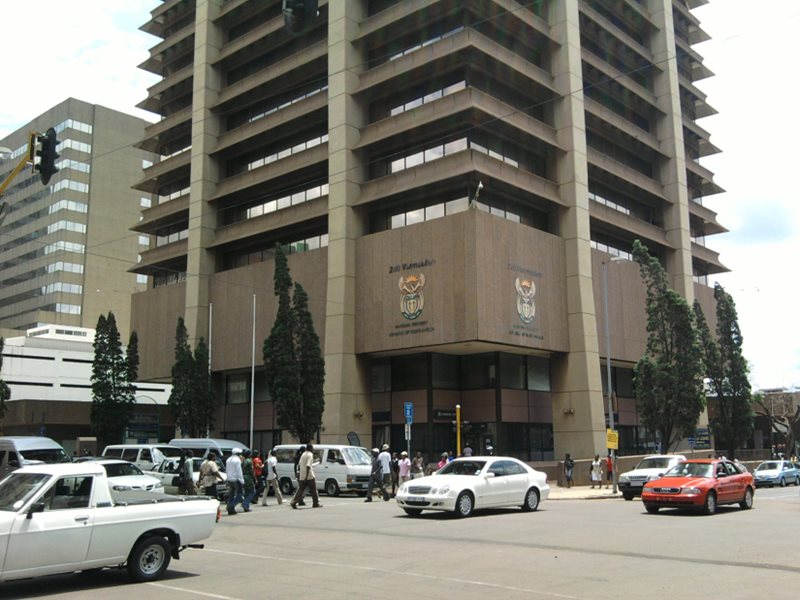
“South Africa’s National Treasury has withheld equitable share payments from dozens of municipalities, including Johannesburg, due to inadequate turnaround plans and mounting debt. The freeze threatens service delivery, infrastructure maintenance, and political stability ahead of the November elections.”
South Africa’s fiscal policy landscape is once again under intense scrutiny as the National Treasury enforces a strict funding freeze on municipalities unable to demonstrate credible financial recovery plans. At the heart of this unfolding crisis lies Johannesburg, the country’s largest metro, which now faces the prospect of running out of cash within weeks. The Treasury’s decision reflects a broader policy shift toward accountability and fiscal discipline, but it also exposes the fragility of municipal governance and the risks posed to millions of residents who depend on essential services.
Background: The Policy Clampdown
The equitable share mechanism, designed to distribute national revenue to municipalities, has long been a lifeline for local governments struggling with revenue collection and debt management. However, Treasury officials, led by Finance Minister Enoch Godongwana, have made clear that continued bailouts without reform are unsustainable. More than half of the municipalities originally flagged remain blocked from accessing funds, with Johannesburg’s precarious financial position drawing particular attention.
Johannesburg’s Financial Crisis
Johannesburg currently holds less than two weeks of cash reserves, a dangerously low buffer for a city of its size and economic importance. The metro owes billions to Eskom and other creditors, a debt burden that has eroded investor confidence and strained service delivery. Without immediate intervention, residents could face worsening electricity outages, deteriorating infrastructure, and delayed payments to suppliers. The crisis has also become a political flashpoint, with factions within the African National Congress (ANC) debating mayoral candidates capable of steering the city through this financial storm.
Political Ramifications
The funding freeze comes at a sensitive time, as the ANC prepares for November’s municipal elections. The contest for Johannesburg’s mayoral candidacy is particularly heated, with figures such as Frank Chikane and Loyiso Masuku vying for leadership. The Treasury’s clampdown has amplified the stakes, as whichever candidate emerges victorious will inherit a city on the brink of fiscal collapse. Opposition parties, including the EFF and DA, have seized on the crisis to criticize the ANC’s governance record, framing the funding freeze as evidence of systemic mismanagement.
Service Delivery Risks
The most immediate consequence of the funding freeze is the threat to service delivery. Municipalities rely on equitable share payments to maintain infrastructure, pay staff, and provide basic services such as water, electricity, and waste management. In Johannesburg, businesses and households are already grappling with unreliable power supply and deteriorating roads. Treasury’s insistence on turnaround plans is intended to enforce accountability, but the delay in funding risks exacerbating these challenges, potentially triggering social unrest.
Broader Policy Context
Treasury’s clampdown is part of a broader effort to restore fiscal discipline across South Africa’s public sector. The move aligns with government policy to reduce reliance on bailouts and encourage municipalities to adopt sustainable financial practices. However, critics argue that the freeze disproportionately punishes residents, who bear the brunt of service delivery failures. Civil society organizations have called for a more balanced approach that combines accountability with immediate relief measures to prevent humanitarian crises.
Regional and International Implications
The Johannesburg crisis also has regional implications. As South Africa’s economic hub, the city’s financial instability threatens investor confidence and could undermine broader economic recovery efforts. International observers have noted that the clampdown reflects South Africa’s struggle to balance fiscal discipline with social obligations, a challenge shared by many emerging economies. The crisis has also sparked debates about the role of international financial institutions and whether external support may be necessary to stabilize municipal finances.
Conclusion
The National Treasury’s funding freeze marks a decisive policy intervention aimed at enforcing fiscal discipline across South Africa’s municipalities. While the move underscores the government’s commitment to accountability, it also exposes the fragility of local governance and the risks posed to millions of residents. Johannesburg’s looming cash crunch serves as a stark reminder that fiscal policy decisions carry profound social and political consequences. As the November elections approach, the crisis will test not only the resilience of municipal governance but also the credibility of South Africa’s broader political leadership.



