




“South Africa is at the centre of a regional effort involving the Southern African Development Community (SADC), China, UNAIDS and the Global Health Innovation Institute to expand pharmaceutical and biotechnology manufacturing capacity in Southern Africa. The initiative follows a September 2026 visit to production facilities in Johannesburg, Durban and Cape Town and focuses on medicines, vaccines, biotechnology, genomics and diagnostics, with the stated objectives of reducing import dependence and strengthening health security.”
South Africa is at the centre of a regional effort involving the Southern African Development Community (SADC), China, UNAIDS and the Global Health Innovation Institute to expand pharmaceutical and biotechnology manufacturing capacity in Southern Africa. The initiative follows a September 2026 visit to production facilities in Johannesburg, Durban and Cape Town and focuses on medicines, vaccines, biotechnology, genomics and diagnostics, with the stated objectives of reducing import dependence and strengthening health security.
Date note: I could not verify a qualifying South African biotechnology-under-politics story published today, 27 September 2026, in the government newsroom and major sources searched. The article below therefore covers the latest closely relevant development I could substantiate, reported on 16 September 2026.
South Africa is becoming an important policy and manufacturing hub in a regional effort to strengthen biotechnology, pharmaceutical production and health security, following a new cooperation push involving the Southern African Development Community (SADC), China, UNAIDS and the Global Health Innovation Institute.
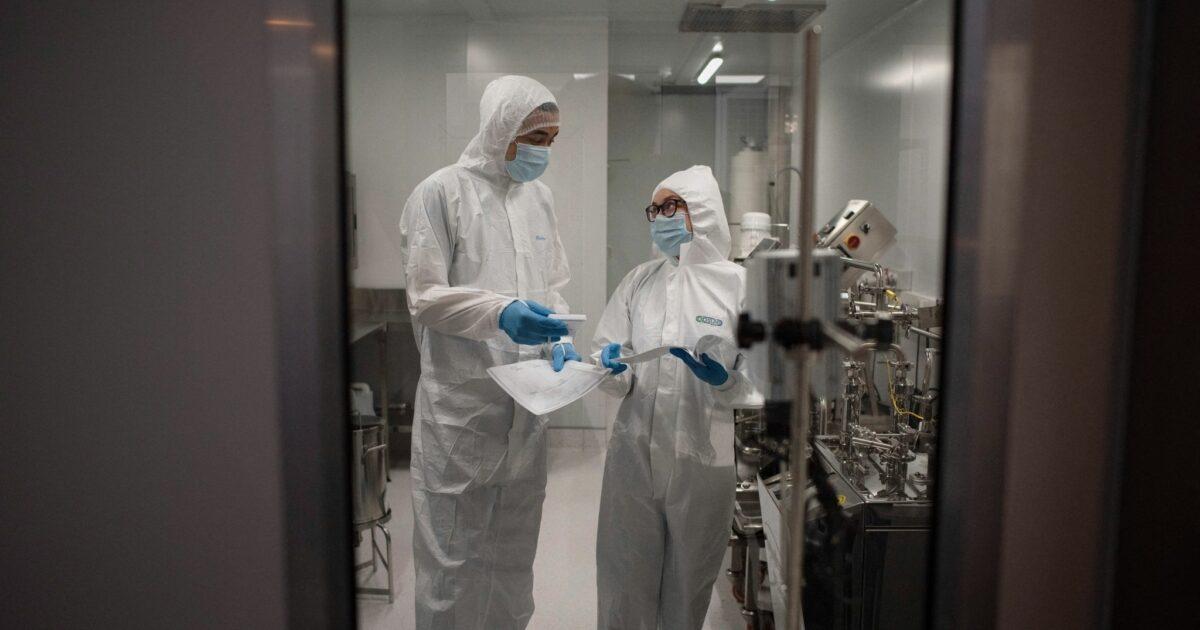
The partnership was highlighted on 16 September 2026 after representatives from the participating institutions visited pharmaceutical and health-technology production facilities in Johannesburg, Durban and Cape Town. According to UNAIDS, the delegation assessed existing capabilities in pharmaceutical and vaccine manufacturing, biotechnology, genomics and diagnostics and identified priority areas for expanding domestic production of quality-assured medicines and health technologies in Southern Africa.
The policy significance extends beyond individual factories. For South African policymakers, biotechnology is increasingly connected with industrial development, public health, scientific sovereignty and the ability of African countries to respond to future health emergencies. The latest initiative therefore places biotechnology within a wider diplomatic and economic framework: governments and institutions are looking at how technology, investment, skills and manufacturing capacity can be combined to reduce vulnerabilities created by dependence on imported health products.
The COVID-19 pandemic remains an important reference point for this policy direction. During the pandemic, African countries faced severe constraints in obtaining vaccines and other medical products while manufacturing capacity was concentrated in a relatively small number of countries. The experience contributed to renewed efforts to develop vaccine and pharmaceutical manufacturing on the continent.
South Africa has already built several elements of that ecosystem. The country hosts the World Health Organization’s mRNA technology-transfer hub at Afrigen in Cape Town, while Biovac, the South African Medical Research Council, the Council for Scientific and Industrial Research and universities have participated in research, manufacturing and skills-development initiatives. The Department of Science, Technology and Innovation has described local vaccine development and manufacturing as part of a broader strategy for building sustainable national capability.
A September report in Nature Biotechnology highlighted another milestone: Afrigen had secured Good Manufacturing Practice certification for its facility, making it the first end-to-end mRNA production site on the African continent. The facility has several vaccine candidates at different stages of development, illustrating how South African biotechnology infrastructure is moving beyond research toward regulated manufacturing.
The political and diplomatic dimension is also becoming clearer through South Africa’s relationship with China. Earlier in September, South Africa participated in the Pujiang Innovation Forum in China, where biotechnology was identified as one of the areas for stronger cooperation. South Africa’s Department of Science, Technology and Innovation said the delegation was pursuing partnerships to strengthen domestic capabilities in biotechnology, satellite development and green hydrogen.
Science and Technology Minister Blade Nzimande also used the forum to argue that countries of the Global South should become producers and owners of emerging technologies rather than remaining primarily consumers. Biotechnology was listed alongside artificial intelligence, quantum technologies, space science, advanced materials and clean technologies as fields with implications for economic development and national capabilities.
The latest SADC-China initiative fits into this wider policy direction. It is not simply a biotechnology research programme. It links biotechnology with pharmaceutical manufacturing, public health, trade, technology transfer and regional cooperation. That combination matters because laboratory discoveries do not automatically become medicines or vaccines. Countries also need manufacturing facilities, quality-control systems, skilled workers, financing, regulatory capacity and reliable markets.
However, the partnership also faces practical challenges. Building internationally compliant manufacturing facilities requires substantial capital and specialised expertise. Biotechnology manufacturing is highly regulated, and products must pass scientific, clinical and quality assessments before they can be widely used. Technology transfer can also be complicated by intellectual-property arrangements, proprietary manufacturing processes and the need to protect confidential technical information.
Skills are another central issue. South Africa has established research institutions and a growing biotechnology ecosystem, but sustained expansion requires scientists, engineers, technicians, quality specialists, regulatory professionals and manufacturing managers. The country’s policy efforts therefore increasingly include workforce development.
This issue is reflected in the Southern African Biomanufacturing Training Hub being established with support from the European Union, the German Development Bank and South Africa’s CSIR. The initiative is intended to strengthen skills needed for vaccine, biotechnology and biopharmaceutical manufacturing in the region. Such programmes indicate that policymakers view human capacity as a long-term component of biotechnology security rather than a short-term training requirement.
At the same time, policymakers must balance ambitions for local production with affordability and sustainability. Manufacturing locally does not automatically mean products will be cheaper. Facilities require investment, skilled labour, quality assurance, equipment, maintenance and reliable supply chains. For local production to remain viable, governments and health systems may need predictable procurement arrangements and long-term market commitments.
For South Africa, biotechnology policy is also becoming part of a broader debate about technological independence. Nzimande’s comments in China reflected a view that Global South countries should participate more strongly in ownership and production of emerging technologies. In biotechnology, that means developing the ability not only to conduct research but also to translate research into products, manufacturing processes and health technologies.
The partnership nevertheless should be assessed by measurable outcomes rather than announcements alone. Important indicators will include whether new manufacturing capacity is financed and completed, whether facilities achieve regulatory approvals, whether locally developed products progress through clinical development, whether regional procurement systems support production, and whether technology and skills are transferred sustainably.
South Africa’s existing infrastructure gives the country a significant role in this process, but regional cooperation will require coordination among governments, regulators, researchers, manufacturers, funders and international partners. The involvement of SADC and UNAIDS adds a regional health dimension, while China’s participation brings another source of technology, industrial experience and potential investment.
The immediate development, therefore, is best understood as part of a longer policy transition. Southern Africa is seeking to move from dependence on imported medicines and health technologies toward a system in which more research, manufacturing and innovation occur within the region. Biotechnology is one of the key sectors through which that transition is being pursued.
Regulation and public confidence will also shape the next stage. Biotechnology products can involve complex questions about safety, ethics, intellectual property and access, making transparent oversight important. South Africa’s regulatory institutions therefore have a role not only in approving products but also in maintaining public confidence in scientific evidence and manufacturing standards. Regional coordination could become important as products move across borders, particularly where vaccines, diagnostics or other biological products require consistent quality requirements. Clear communication among governments, scientists, manufacturers and communities will help ensure that technological development is matched by accountable policy and public discussion.
As the cooperation develops, the central policy question will be whether partnerships can turn scientific capability into durable manufacturing capacity that serves public-health needs. South Africa’s experience with mRNA technology, vaccine manufacturing and biotechnology research provides an existing foundation. The September initiative adds a regional and diplomatic framework in which that foundation could be connected to wider Southern African production goals.
For South Africa, the story is consequently about more than biotechnology alone. It is about how science and innovation policy intersects with health security, industrial policy, international partnerships, skills development and regional economic cooperation. The success of the approach will ultimately depend on whether commitments translate into functioning facilities, trained people, approved products and sustainable access to health technologies across Southern Africa.



