




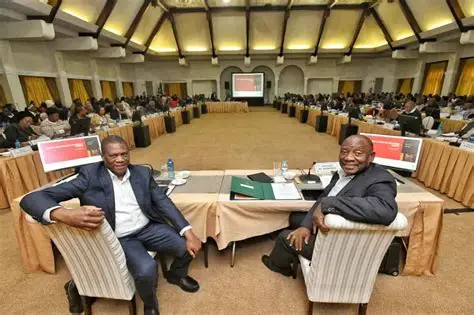
“South Africa’s Cabinet has introduced landmark reforms covering coalition governance, procurement modernization, criminal justice oversight, and illicit mining crackdowns. These measures are designed to stabilize fragile coalitions, restore trust in institutions, and modernize governance structures nationwide.”
On August 28, 2026, South Africa entered a decisive phase in its governance journey as the Cabinet unveiled a comprehensive set of legislative reforms. These reforms collectively represent one of the most ambitious governance packages in recent years, spanning coalition governance, criminal justice oversight, illicit mining crackdowns, procurement modernization, and public service accountability.
Coalition Governance Reform
At the heart of the reforms lies the Municipal Structures Amendment Bill (29 July 2026). This bill introduces:
- Mandatory qualifications for councillors appointed as municipal office bearers.
- Prescribed timelines for electing mayors and deputy mayors to reduce delays.
- Clear procedures for removing office bearers.
- Flexible voting mechanisms (show of hands or secret ballot) to reduce disputes.
For years, fragile coalitions have collapsed, stalling projects and weakening accountability. This reform is expected to reduce political instability, ensuring uninterrupted service delivery to communities.
Criminal Justice System Reform
The Madlanga Inquiry into corruption and political interference in the criminal justice system has been extended until 31 October 2026. Key objectives include:
- Restoring credibility in law enforcement and judicial institutions.
- Strengthening judicial independence.
- Reducing political meddling in high-profile cases.
This inquiry is expected to produce recommendations that will reshape prosecutorial independence and rebuild public confidence in the justice system.
Tackling Illicit Mining
Illicit mining, known locally as Zama Zama operations, has plagued South Africa’s economy and communities. The General Mining Laws Amendment Bill criminalizes illicit mining activities, introducing tougher penalties including longer prison terms and higher fines. Expected outcomes include:
- Protecting vulnerable communities from unsafe mining practices.
- Safeguarding South Africa’s mineral wealth.
- Reducing organized crime linked to illegal mining.
Procurement Modernization
The reforms also address public procurement, introducing transparency measures to reduce corruption. Key provisions include:
- Digital procurement platforms.
- Stricter auditing requirements.
- Penalties for non-compliance.
Public Service Accountability
The Cabinet emphasized that reforms will extend to public service accountability, ensuring that officials are held responsible for misconduct.
Political and Economic Implications
These reforms are expected to:
- Stabilize coalition governments.
- Strengthen the rule of law.
- Improve investor confidence.
- Enhance service delivery in municipalities.
Conclusion
South Africa’s sweeping legislative reforms represent a bold attempt to rebuild trust in institutions and modernize governance structures. While challenges remain, the reforms mark a turning point in the country’s political and economic trajectory.



