




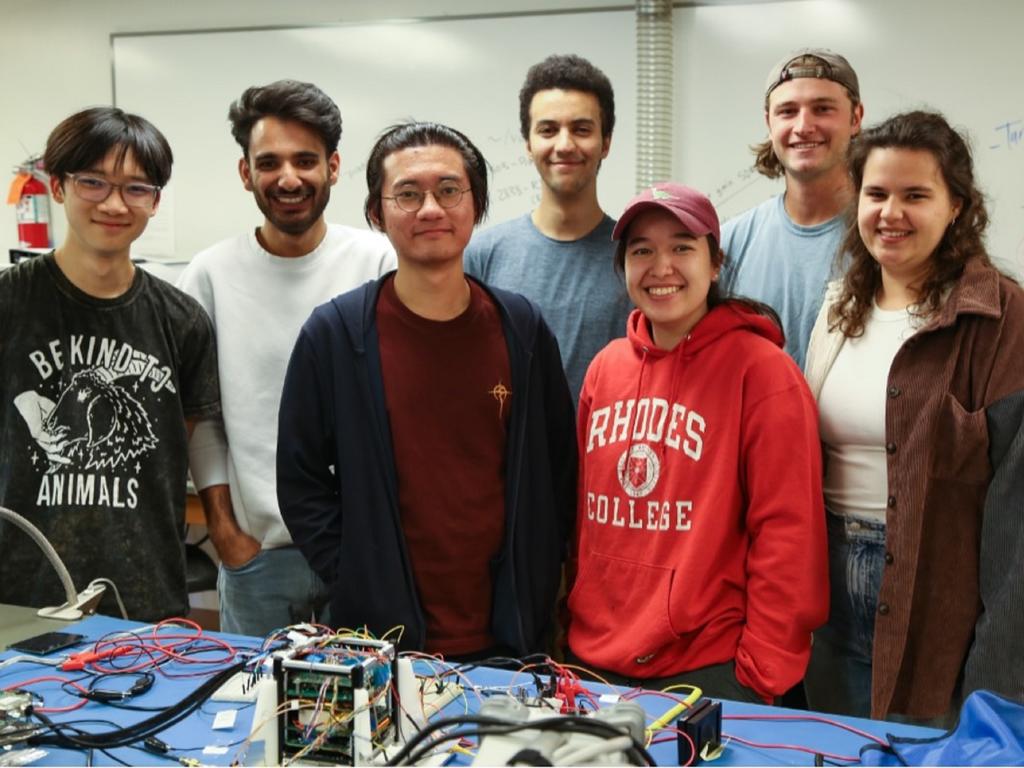
“South African scientists have unveiled Africa2Moon, the continent’s first lunar mission, which will deploy a radio interferometer on the Moon’s far side in 2029. The project, selected to fly aboard China’s Chang’e-8 mission, will open up unexplored cosmic radio frequencies and showcase Africa’s growing leadership in global space science.”
South Africa has long been recognized as a hub of radio astronomy excellence, with projects like the MeerKAT telescope and its role in the Square Kilometre Array (SKA). Today, that expertise is being projected beyond Earth itself. The announcement of Africa2Moon represents not just a scientific milestone but also a cultural and political statement: Africa is ready to take its place among the world’s spacefaring regions.
The Mission Overview
- Launch Year: 2029
- Carrier Mission: China’s Chang’e-8, targeting the lunar south pole
- Objective: Deploy the first radio interferometer on the Moon’s surface
- Lead Institutions: Rhodes University, Foundation for Space Development Africa
The telescope will consist of BALLS (Bounced African Low Lunar Spheres), small autonomous devices designed to roll across the lunar surface and work together as a distributed radio telescope. This innovative design reduces cost, increases resilience, and allows for scalable deployment.
Why the Moon?
Earth’s atmosphere blocks radio waves below 20 MHz, leaving a “blind spot” in astronomy. The Moon’s far side offers:
- No atmosphere to block signals
- Shielding from Earth’s radio interference
- Stable environment for long-duration observations
This makes it the perfect location to study the lowest-frequency radio sky, one of astronomy’s last unexplored frontiers.
Scientific Impact
The mission will allow astronomers to:
- Investigate cosmic dawn, the era when the first stars and galaxies formed
- Explore solar and planetary radio emissions
- Study cosmic background radiation at frequencies inaccessible from Earth
Professor Oleg Smirnov of Rhodes University emphasized that this is “African radio astronomy stepping off the planet.”
African Leadership in Space Science
Dr. Adriana Marais, Director of the Foundation for Space Development Africa, highlighted that Africa2Moon is about more than science—it is about proving Africa’s ability to imagine and build audacious projects. This mission builds on decades of investment in astronomy infrastructure and human capital.
Global Collaboration
The partnership with China’s Chang’e program demonstrates Africa’s growing role in international space cooperation. By contributing unique expertise in radio astronomy, South Africa is positioning itself as a strategic partner in global exploration.
Economic and Educational Benefits
- STEM Inspiration: Africa2Moon will inspire a new generation of African scientists and engineers.
- Technology Transfer: Innovations in robotics, communications, and data processing will benefit industries beyond astronomy.
- National Prestige: South Africa strengthens its reputation as a leader in cutting-edge science.
Challenges Ahead
- Funding: Large-scale missions require sustained investment.
- Technical Risks: Operating autonomous instruments on the Moon is complex.
- International Competition: Africa must ensure its contributions remain visible amid global space race dynamics.
Conclusion
Africa2Moon is more than a telescope—it is a symbol of Africa’s determination to claim its place in humanity’s exploration of the cosmos. By 2029, when those small rolling spheres begin scanning the lunar sky, South Africa will have demonstrated that its scientific vision can reach beyond Earth, opening new windows on the universe.



