




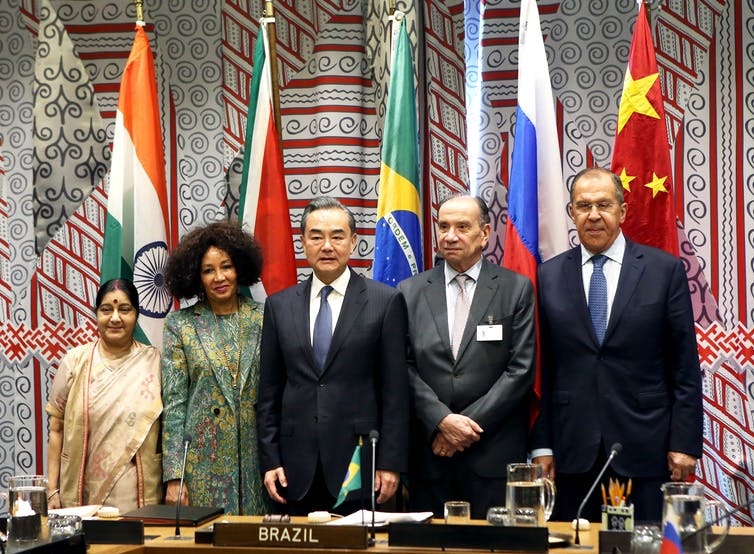
“South Africa’s Department of International Relations and Cooperation (DIRCO) has issued a strong statement rejecting claims that its non-alignment stance equates to neutrality, following comments by the U.S. Ambassador. The move highlights Pretoria’s effort to safeguard its independent foreign policy while navigating complex geopolitical pressures.”
On June 25, 2026, DIRCO released a media statement addressing remarks attributed to the United States Ambassador in Pretoria. The Ambassador suggested that South Africa’s reluctance to take sides in global conflicts undermines its credibility as a democratic partner. In response, DIRCO emphasized that non-alignment is a deliberate strategy rooted in South Africa’s historical commitment to sovereignty, multilateralism, and peaceful resolution of disputes.
South Africa’s Non-Alignment Explained
South Africa’s foreign policy has long been shaped by its role in the Non-Aligned Movement (NAM), dating back to the apartheid era when solidarity with other developing nations was crucial. Today, Pretoria argues that non-alignment allows it to:
- Engage with diverse partners including the U.S., China, Russia, and the EU.
- Promote African priorities such as peacekeeping, trade integration, and climate resilience.
- Avoid entanglement in great power rivalries, particularly in conflicts like Ukraine or Middle East disputes.
DIRCO stressed that non-alignment does not mean passivity. Instead, it reflects an active diplomatic posture that seeks consensus and dialogue rather than confrontation.
U.S.-South Africa Relations Under Strain
The U.S. remains one of South Africa’s largest trading partners, with bilateral trade exceeding $20 billion annually. However, tensions have grown over Pretoria’s perceived closeness to Russia and China, especially its participation in BRICS initiatives. Washington has expressed concern that South Africa’s positions on global conflicts could undermine Western-led sanctions regimes.
DIRCO’s statement is therefore both defensive and assertive: it rejects external pressure while reaffirming South Africa’s commitment to democratic values and international cooperation.
Regional and Global Implications
South Africa’s stance carries weight beyond its borders. As the only African member of BRICS and the G20, Pretoria’s diplomatic choices influence continental positions. By insisting on non-alignment, South Africa signals to other African states that strategic independence is possible even amid global polarization.
This approach also strengthens South Africa’s credibility in mediating conflicts. For example, Pretoria has played roles in peace efforts in Sudan, the Democratic Republic of Congo, and the Middle East. Its refusal to align with one bloc enhances its legitimacy as a neutral mediator.
Domestic Political Dimensions
The statement also reflects domestic political calculations. The ruling African National Congress (ANC) has historically championed solidarity with liberation movements and resisted Western dominance. By defending non-alignment, the government appeals to nationalist sentiment and reinforces its image as a protector of sovereignty.
Opposition parties, however, argue that ambiguity in foreign policy risks alienating key Western partners and jeopardizing trade and investment. The debate underscores how international relations are deeply intertwined with South Africa’s internal politics.
Expert Reactions
Analysts note that South Africa’s clarification is timely. With global tensions escalating, particularly between the U.S. and China, Pretoria’s insistence on non-alignment provides a roadmap for other middle powers. Some experts caution, however, that non-alignment requires consistent messaging and careful balancing to avoid perceptions of opportunism.
Civil society groups welcomed the statement, emphasizing that South Africa must prioritize African interests rather than external pressures. Business leaders, meanwhile, urged the government to ensure that diplomatic disputes do not disrupt trade flows with the U.S. and EU.
Looking Ahead
The incident is unlikely to cause a rupture in U.S.-South Africa relations, but it highlights the fragility of their partnership. Pretoria will need to continue engaging Washington while deepening ties with other partners. The upcoming South Africa–EU Joint Cooperation Council meeting and BRICS summit will test whether non-alignment can be sustained without alienating major allies.



